
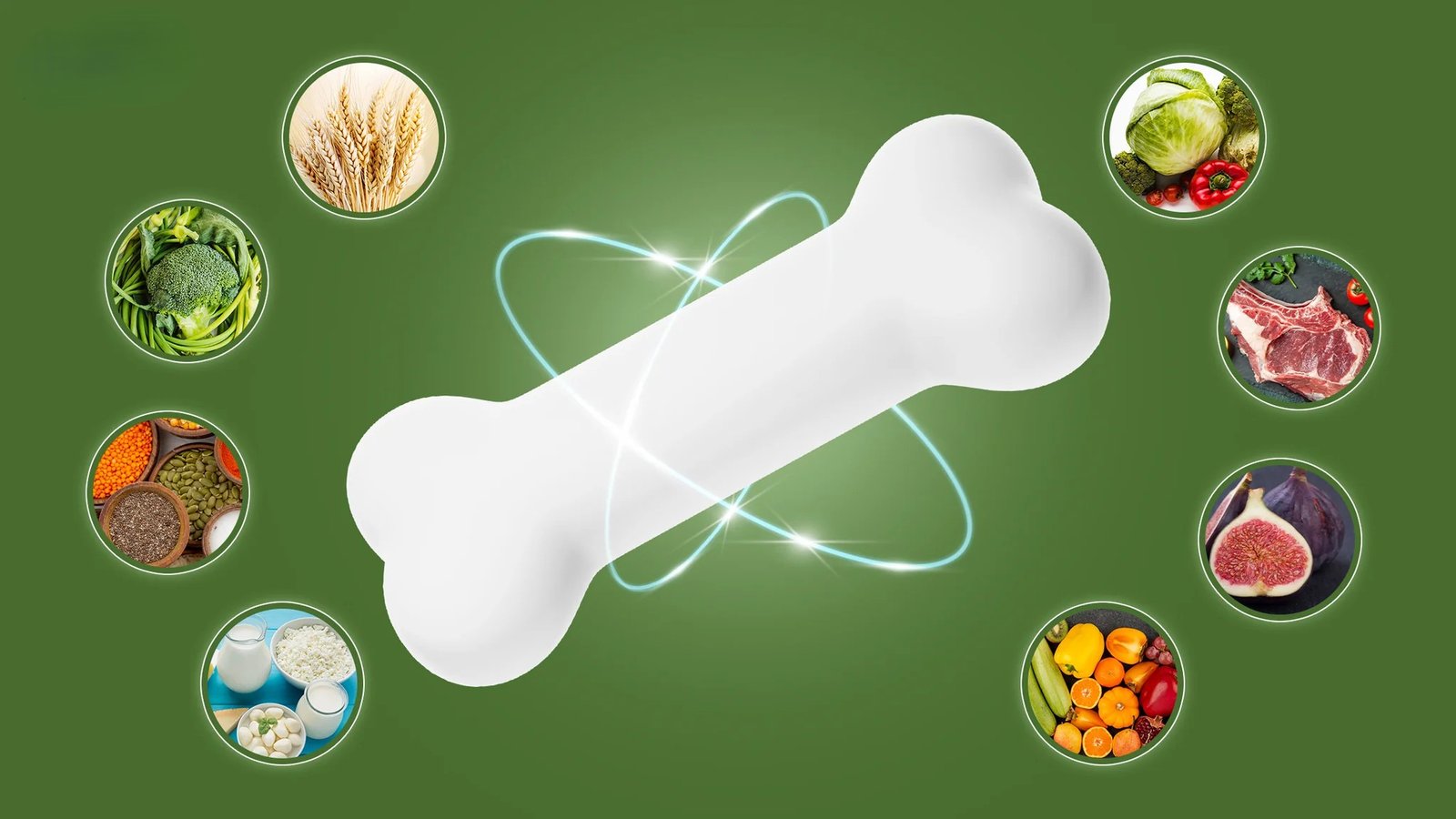
Bones are always changing; the body breaks down old bone and creates new bone continuously. We refer to this procedure as re-modelling. New bone is formed more quickly than old bone is broken down when you are young. As a result, your bone mass Increases. Around age 30, most people reach their peak bone mass. Bone modelling then proceeds. However, your loss of phone mass is somewhat more than your gain.
Osteoporosis is a disorder that weakens and fractures bones. The amount of bone mass you have by the age of 30 and the rate at which you lose it after that determine your risk of developing osteoporosis. You have accumulated more bone if you have a higher bone mass. Your risk of developing osteoporosis as you age decreases with the amount of bone you have accumulated.
What influences the health of bones?
Bone health can be impacted by a variety of things, including are not limited to:
- Weight: Keeping a healthy weight is important since being overweight or underweight can put unduce train on your joints and bones.
- Calcium bone health is strongly correlated with the amount of calcium in your diet. Consuming extra dairy products if you don’t get enough calcium.
- Exercise: Your chances of having strong bones increase with your level of activity. Therefore, If You Haven’t already, make sure to start incorporating some exercise into your week.
- Smoking and excessive drinking: Regularly consuming more than one unit to skip a few weeks to balance it outo poor bone health, according to a study. If you like to drink on the weekends, attempt to skip a few weeks to balance.
10 foods to make your joints and bones stronger
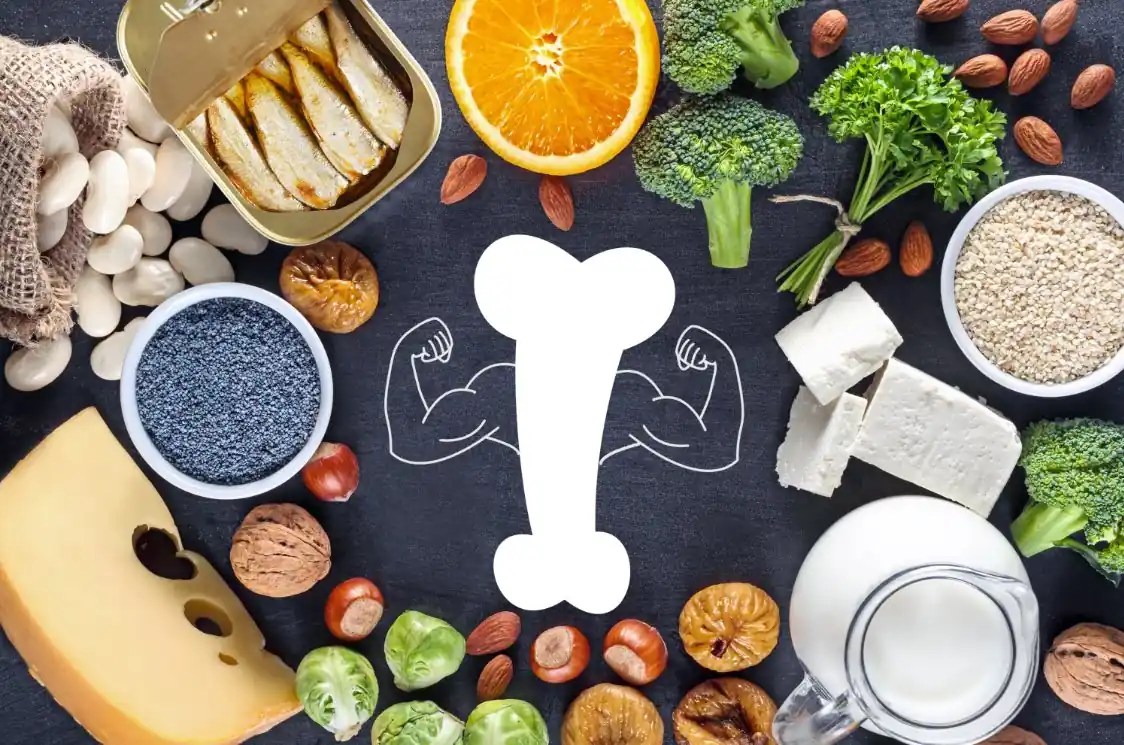
Let’s examine 10 foods that will support stronger bones and joints:
- Calcium-Fortified Cereal: Certain varieties of calcium-fortified cereal may have 1000 mg of calcium per serving in addition to vitamin D. It is essential for the absorption of calcium.
- Cheese: The majority of cheese varieties are great providers of calcium. Generally speaking, hard cheese contains more calcium than soft cheese, with Parmesan cheese having the highest calcium content.
- Milk: Approximately 35% of the RDI is found in a glass of milk. Additionally, it has vitamin D, which is necessary for calcium absorption.
- Calcium fortified orange juice: If you prefer not to consume milk, you can still obtain up to 50% of the recommended daily intake of calcium from calcium fortified orange juice.
- Figs: Of all the dried fruits, dried figs contain the highest amount of calcium. Additionally, they have respectable levels of potassium and Vitamin K, which help to build stronger bones.
- Tofu: Half a cup of Tofu can provide 85% of the recommended daily intake of calcium when made with calcium.
- Kale and collard greens: One cup of these which is provides over 25% of your daily calcium needs.
- Almonds: Of all the nuts, almonds have the highest calcium content. They also include magnesium, which supports healthy bones.
- Beans: They are rich in calcium and other vitamins like iron, magnesium, and zinc that strengthen bones.
- Canned Salmon and sardines: These fish are high in calcium and Vitamin D because of their edible bones. 3 ounces of canned Salmon can supply roughly 21% of the RDI, while a can of sardines can supply 35% of the RDI.
Spend 10 to 20 minutes in the sun each day to increase your vitamin D levels and ensure that your body absorbs all the calcium from the meals mentioned above.
Conclusion
Discuss to your health care provider if you have risk factors for osteoporosis or are concerned about your orthopaedic health. If you break a bone after the age of 50, discuss bone health with your health care provider. A bone density test can be necessary. Your amount of phone density is displayed in the test results. Your care team can use the test results to assess your rate of bone loss and other indicators of its health. The health care provider can determine whether taking medication to reduce bone lost is a good option for you based on that information and your factors.
