
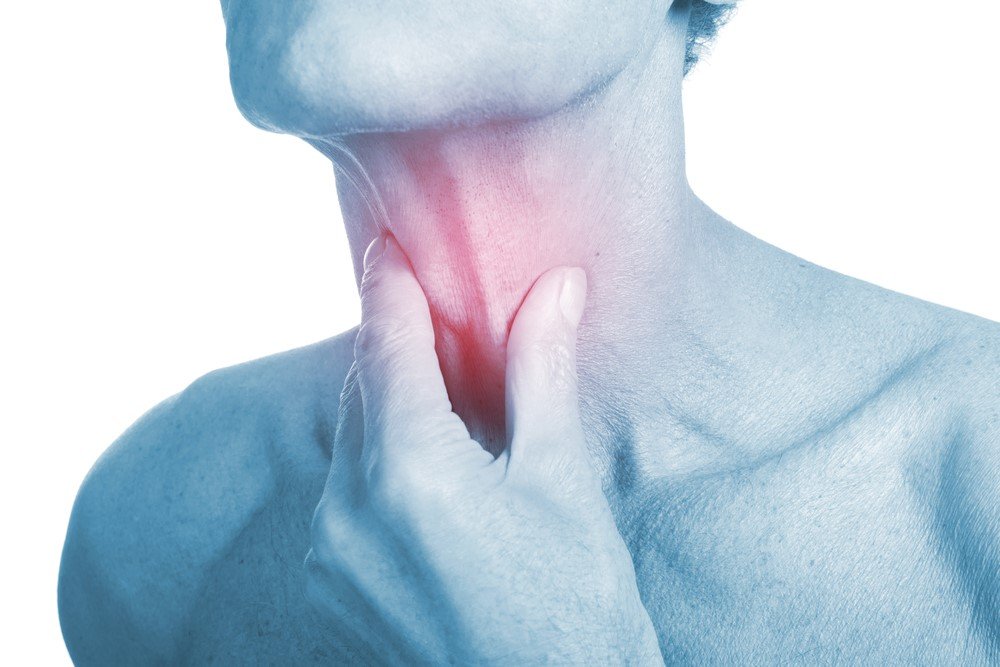
A thyroid disorder can be medically termed as a problem that prevents your thyroid from producing the proper amount of hormones. People of various ages may be impacted by this disorder.
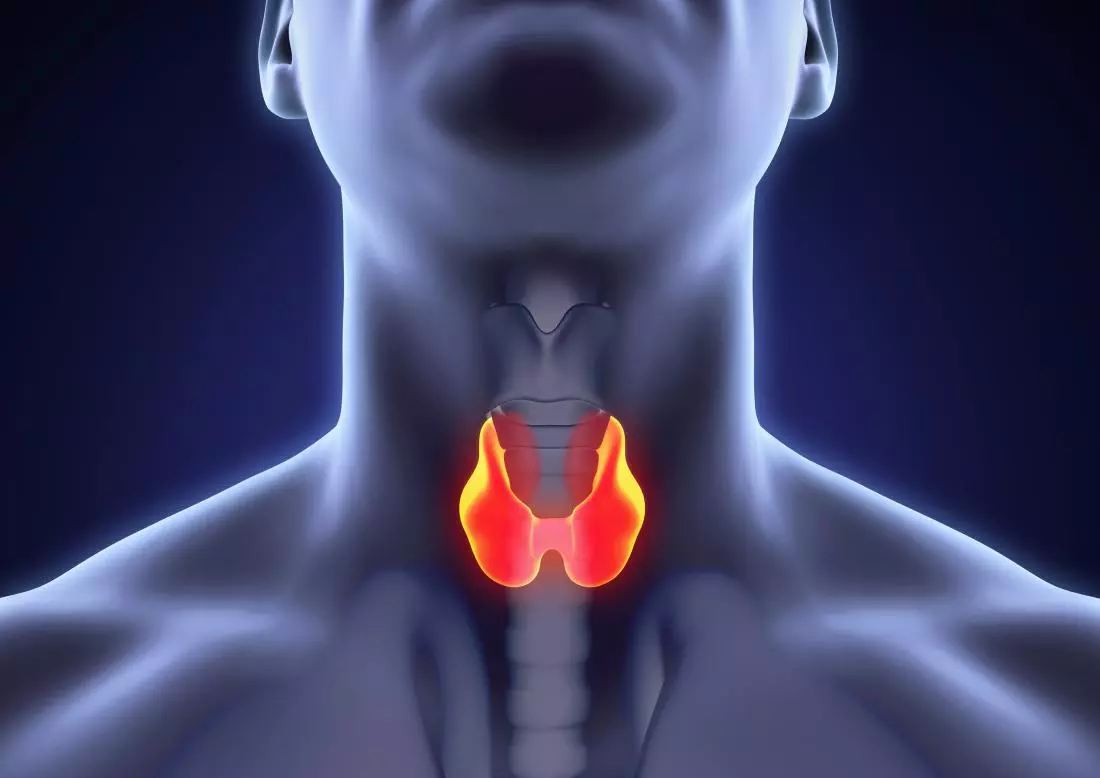
The thyroid is a tiny, butterfly-shaped gland under your skin in the front of f your neck. As a component of your endocrine system, it produces and releases thyroid hormones. Hormones such as triiodothyronine (T3) and thyroxine (T4) regulate many vital bodily processes.
The primary function of your thyroid is to regulate your metabolic rate, or rate of metabolism. This is how your body converts the food you eat into energy. Your body’s cells all require energy to operate. Your entire body may be affected when your thyroid isn’t functioning properly.
What are the Thyroid Disorder Risk Factors?
Thyroid issues can affect anyone, and thyroid disease is widespread. Thyroid problems are five to eight times more common in women than in men. Additionally, you run a greater risk if you:
- Take iodine-containing medications
- Have thyroid issues in the family
- Possess sjögren’s syndrome, turner’s syndrome, lupus, rheumatoid arthritis, pernicious anaemia, type 1 diabetes, or primary adrenal insufficiency.
- Around 60 years old
- Had a history of thyroid disease or cancer (radiation or thyroidectomy)
Symptoms
Early detection of thyroid disorders is crucial for prompt diagnosis and efficient treatment. Thyroid Disorders come in two main varieties, each with a unique set of symptoms:
Hypothyroidism Symptoms
- Exhaustion or fatigue: Persistent weariness that doesn’t go away with rest.
- Weight gain: A slow, inexplicable rise in body weight. Weight gain is typically very slight.
- Dry and coarse hair: Shifts in the texture of hair, frequently turning it dry and coarse.
- Hair loss: Significant hair loss or thinning of hair.
- Hoarse vocal: Voice quality and tone changes.
- Menstrual cycle irregularities: Heavy and frequent periods.
- Sensitivity to cold: Experiencing extreme cold even under typical circumstances.
- Memory issues: forgetting things and forgetfulness.
Hyperthyroidism symptoms
- Weight loss: Accidental and quick weight reduction.
- Muscle weakness: Reduced muscle tone and strength.
- Tremors: Involuntary trembling or shaking of hands or other body parts.
- Sleeplessness: Having trouble falling asleep or waking up frequently between sleep.
- Anxiety and Nervousness: Excessive tension, anxiety, or uneasiness.
- Thyroid gland enlargement: An enlarged or swollen thyroid gland in the neck.
- Changes in the menstrual cycle: Irregular or nonexistent periods.
- Heat sensitivity: Feeling overheated, particularly during warm weather.
- Eye irritation or other visual problems: Symptoms associated with the eyes, such as inflammation or vision impairments. The eyeball may occasionally extend outward.
Can Thyroid Disorder Impact Mood?
Indeed, mood can be impacted by thyroid Disorders. Anxiety and despair are common symptoms of thyroid illness that impact mood. Generally speaking, mood swings increase with the severity of thyroid disease.
Mood symptoms associated with hyperthyroidism, an overactive thyroid, may include:
- Fear
- Anxiety
- Anger
Mood symptoms associated with hypothyroidism, an underactive thyroid, may include:
- Depression
- Unusual fatigue
How is a Thyroid Condition Identified?
In addition to performing a physical examination, your healthcare provider will first enquire about your symptoms and medical history. They will gently feel your thyroid gland throughout the exam to see whether there are any obvious nodules or if it is swollen.
To establish a diagnosis, your doctor will need to perform certain thyroid tests. Among them are:
- Blood Test: These tests can determine whether you have hypothyroidism or hyperthyroidism. Thyroid-stimulating hormone (TSH), T3, and T4, and thyroid antibodies are among the various forms of thyroid blood testing.
- Image studies: Your doctor can search for nodules (lumps) and/or goitre with the aid of imaging tests, such as thyroid ultrasound. A thyroid uptake and scan are examples of nuclear medicine imaging that can assist in determining whether nodules are hyperactive.
The Last words
Nearly every metabolic activity in your body is influenced by your thyroid gland, which is a component of your endocrine system. Thyroid disease is the result of your thyroid gland producing either too little or too much of vital hormones. Hyperthyroidism and hypothyroidism are two primary forms of thyroid. This can occasionally be difficult to identify since it’s symptoms often resembles those of f other illnesses. Your thyroid disease’s type and cause will determine how you are treated.