
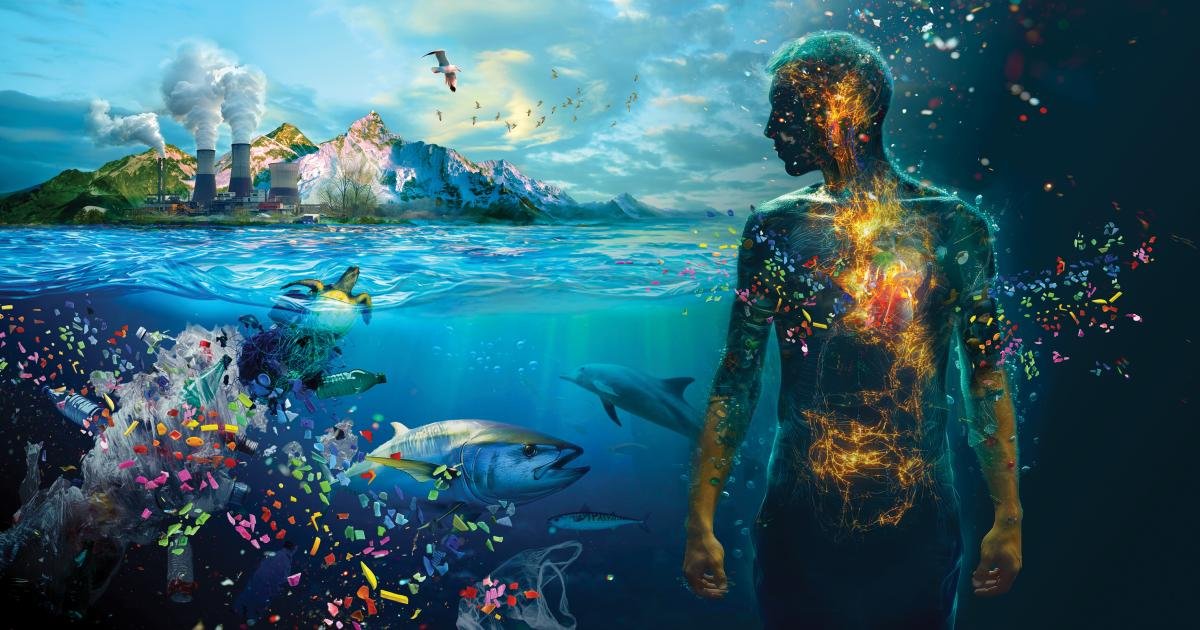
Microplastics are tiny plastic particles that are produced when plastic breaks down. Because they are so common in nature, they have an impact on both humans and wildlife. Numerous marine species, drinking water, and a variety of foods, including salt, honey, and Marine organisms, have all been shown to contain them. Inhaled air can potentially expose people to microplastics. Once ingested, plastic micro and nanoparticles can spread to the liver, spleen, heart, lungs, thymus, reproductive organs, kidneys, and even the brain (crossing the blood-brain barrier), according to data from animal research. Furthermore, Heavy metals or persistent organic contaminants are transported from invertebrate creatures to higher trophic levels by microplastics.
Following consumption, the chemicals and monomers in their composition may disrupt vital biological functions in the human body. It includes the immunological and endocrine systems, which negatively affect mobility, reproduction, and development, and perhaps cause cancer. Due to a significant amount of waste in the form of abandoned personal protective equipment, the Covid 19 pandemic has impacted not only National economies and human health, but also the environment. The usage of face mask which are mostly made of polypropylene, has increased dramatically worldwide, and inadequate waste management has made microplastic contamination worse. If immediate action is not taken, the long-term effects could be disastrous.
What is Microplastic?
Modern society’s growing usage of plastic products has contaminated almost all environmental media with microplastics. Both the creation of commercial products and the degradation of bigger plastic produce microplastics, which are microscopic plastic particles. Microplastics are a pollutant that can be detrimental to both animal health and the environment. The European Chemicals Agency and the U.S. National Oceanic and Atmospheric Administration have provided a definition. The defined Microplastics are pieces of any kind of plastic that are less than 5 mm. Heterogeneously mixed plastic, such as plastic fibres, granules, and pieces with a diameter of less than 5 mm, is referred to as microplastics. They are regarded as potentially dangerous emerging pollutants.
What is the source of microplastics?
There are two primary sources. Certain plastics are designed to be tiny. Similar to the microbeads purposefully included in face cleansers and other personal care products, these are referred to as primary microplastics. However, the majority of microplastics originate from the gradual breakdown of bigger plastic items, such as plastic wrap, takeout containers, polyester clothing, tyres, paint, and artificial turf. We refer to these as secondary microplastics.
What is the prevalence of microplastics?
Very prevalent, indeed. They can be found in soil, water, and the atmosphere. One estimate states that 2.7 million tonnes of microplastics leaked into the environment in 2020. By 2040, this amount is predicted to rise. It’s safe to claim that microplastics are present almost everywhere.
Why could microplastics be harmful to humans?
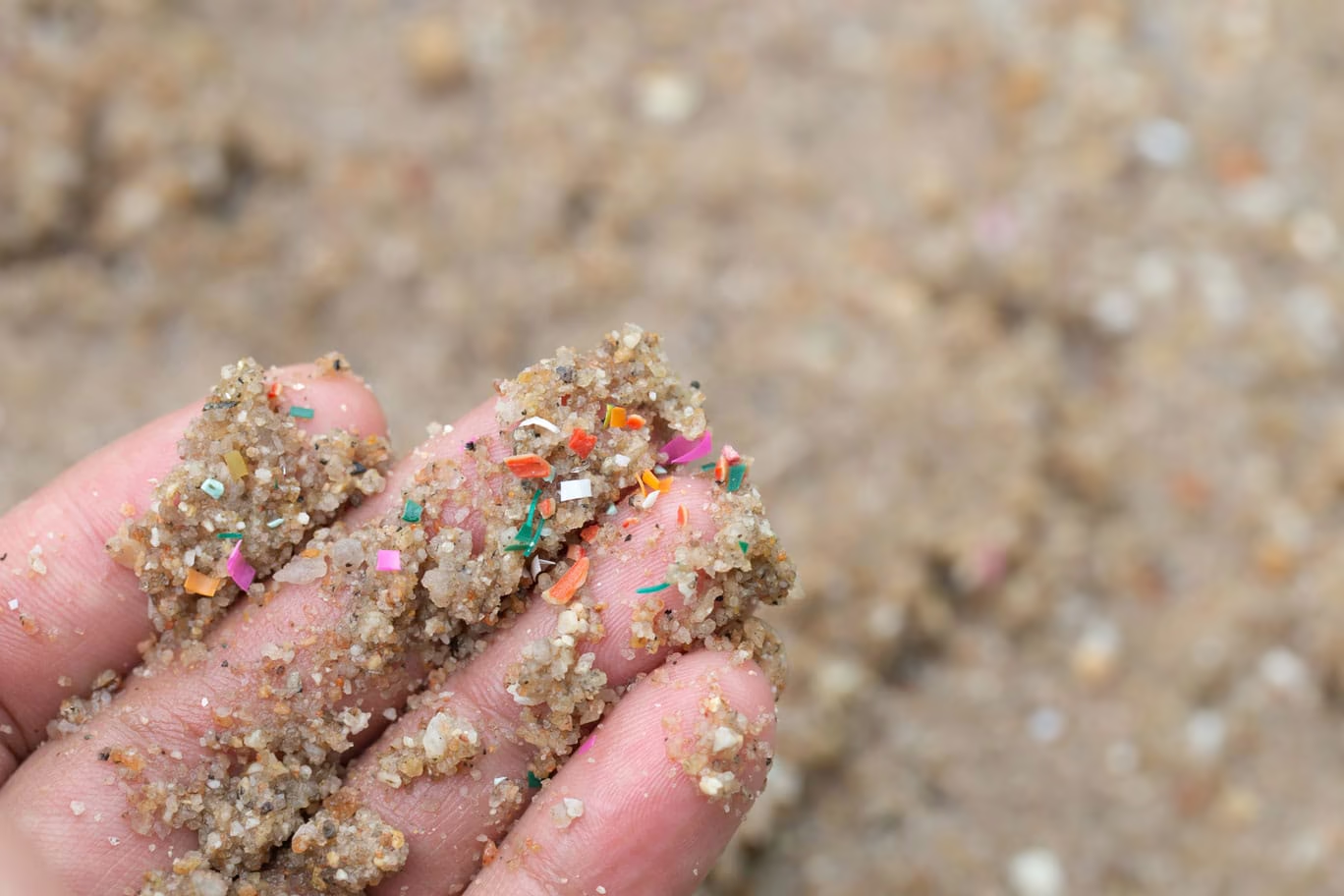
Both ingestion and inhalation can allow microlastics to reach the human body. The possibility that nanoplastics could even pass through the skin. They have a diameter of less than 1 micrometre. Some research indicates it’s still up for debate.
According to a 2019 study, depending on their location and activities, some people may be swallowing an average of 39000 to 52000 microplastic particles annually. The human body contains microplastics everywhere, including in the artery walls.
What to do?
Solutions beckon as science advances. Researchers are investigating plastic substitutes and bacteria that consume plastic. Physicians may strive for more sustainability in clinics and hospitals, and individuals can lobby for less plastic production and more recycling.
According to the May 2021 Nature News item, the risk to human health from making trees into plastic garbage increases. Greenhouse gases are released when plastic is allowed to decompose in the environment, and the manufacture and destruction of plastic produce particles and gases that contribute to climate change. Research indicates that microplastics interfere with Marine microorganisms’ globally important functions of generating Oxygen and storing carbon dioxide. These deficiency is put both are planet in our health at additional risk.
Plastic pollution
Plastic pollution is the buildup of synthetic plastic items in the environment. They affect both human populations and wildlife and their habitats. By bringing a synthetic plastic presence to global trade in 1907, Bakelite’s discovery sparked a revolution in materials. Plastic sword shown to be a chronic pollutant of numerous environments and dishes by the end of the 20th century. It ranged from the bottom of the sea to Mount Everest. Plastics are drawing more attention as a widespread form of pollution. Whether they are mistaken for food by animals, flood low-lying areas by clogging drainage systems, or just cause serious visual blight, it is everywhere.