
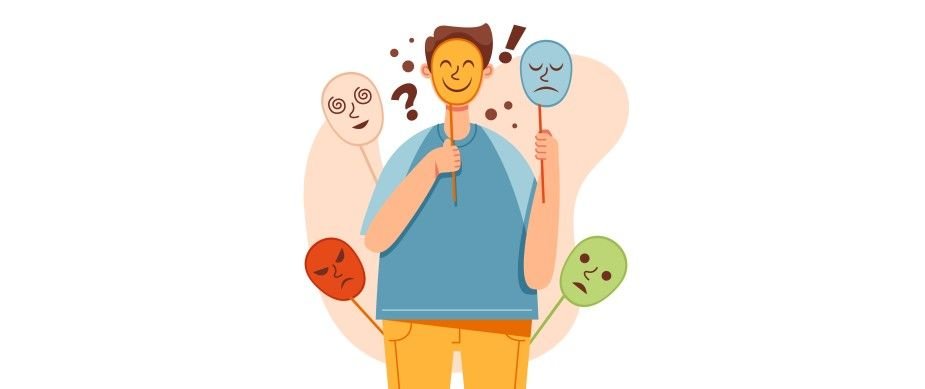
A severe mental Illness that alters a person’s thoughts, emotions, and behaviour is schizophrenia. A combination of hallucinations, delusions, and disordered thought and behaviour could be the outcome. Hearing voices or seeing objects that other people cannot see are examples of hallucinations. Firm beliefs about untrue things are a component of delusions. Schizophrenia patients may appear to lose their sense of reality. It can make day-to-day living extremely difficult. Schizophrenia patients require lifetime care. This involves medication, counselling, and assistance in learning how to handle day-to-day tasks.
Schizophrenia Symptoms
Many times, people with schizophrenia are unaware that they have symptoms. However, they might be noticed by others, such as friends and relatives. Symptoms could consist of:
- Delusions: Believing falsehoods despite overwhelming evidence (e.g., believing someone is manipulating your behaviour).
- Hallucinations: Hearing voices, seeing people, or feeling something touch you when nothing is there are examples of hallucinations.
- Unorganised conversations might make it difficult to stay on topic or to be understood.
- Disorganised or catatonic behaviour: Moving or acting in ways that others might not anticipate. Examples such as laughing excessively, making repetitive motions, are known as disorganised or catatonic behaviour.
- Negative symptoms: It includes diminished functioning. Such as lacking emotion, speaking in a flat tone, or losing interest in socializing or engaging in activities.
Causes of Schizophrenia
Schizophrenia’s precise cause is uncertain. However, schizophrenia is a real disease with a biological basis, just like diabetes and cancer. Numerous factors that same to increase a person’s risk of developing the illness have been identified by researchers. They are:
- Heredity (Genetics): Schizophrenia can run in families. It means there is a larger risk that schizophrenia may be transferred from parents to their children.
- Brain circuits and Chemistry: Patients may be unable to modulate neurotransmitters. These are brain Chemicals that regulate particular nerve cell “circuits,” or pathways, that influence behaviour and thought.
- Brain abnormalities: Patients with this condition have aberrant brain anatomy, according to research. However, not everyone who has this disease is affected by this. Even those without the illness maybe inpacted.
- Environment: In those whose genetic makeup puts them at risk, schizophrenia may be triggered by viral infections, smoking, childhood drama, social defeat, malnutrition, vitamin D insufficiency, worse social cognition, and lower IQ. When the body is going through hormonal and physical changes, such as in adolescence and early childhood, it is more likely to manifest.
Are Schizophrenia Patients Dangerous?

People with this disease and other mental illnesses are frequently portrayed in popular literature and films as violent and deadly. The majority of the sufferers don’t use violence. They tend to retreat and want to be left alone. When someone with a mental illness engages in risky or aggressive behaviours is typically due to psychosis and a sense of being threatened by their environment. Alcohol and drug usage can exacerbate it. However, individuals with this mental condition may pose a risk to themselves. The leading cause of early death for those with schizophrenia is suicide.
Experts to Visit
The following medical professional can assist in diagnosing this particular mental issue and creating a treatment plan:
- A General practitioner
- A Psychiatrist
- A psychologist
- A neurologist
The patient may be referred by a general practitioner to a specialist for a thorough assessment and course of therapy.
For symptoms, a psychiatrist offers diagnosis, medication management, and therapy.
To help control thoughts and behaviours, a psychologist can provide psychotherapy such as cognitive behavioural therapy.
In addition to coordinating treatment for associated illnesses, a newologist evaluate possible neurological variables influencing brain function.
Complications
Untreated schizophrenia can seriously impair a patient’s quality of life and may result in complications such as:
- Anxiety disorders
- Depression
- Abuse of drugs and alcohol
- Acts of aggression
- Social exclusion
- Suicidal thoughts, suicide attempt, and suicide
Note: Treatment for severe instances may also need hospitalisation.
The Last Words
It is a severe mental condition that lasts a lifetime. Although the exact etiology is unknown, scientists think that environmental variables, triggering events, and genetic predisposition all contribute to the disease’s onset. The majority of people experience symptoms in adolescence and early adulthood. Both men and women are equally impacted. Following diagnosis, a number of therapies are available. New treatments are also in the works. To help people with this illness, early detection and treatment are essential.