

For thousands of years, the Ayurvedic diet has been practiced. The Ayurvedic diet, in contrast to many other diets, offers individualised advice on what foods to consume and what to avoid depending on your body type.
An Ayurvedic diet may assist in promoting improved physical and mental health, even if there is currently no strong evidence to support the idea of doshas. Find out more about the advantages, the foods to consume, and avoid in the Ayurvedic diet.
An Ayurvedic Diet: What is it?
Based on the tenets of Ayurveda, it is an age-old wellness philosophy that dates back more than 5000 years to India. The Ayurvedic diet offers a comprehensive approach to Nutrition.
This diet takes into account a person’s body type (dosha) and how various foods affect overall balance, in contrast to mainstream diets that just concentrate on calorie intake or macronutrients. This customised method might improve brain clarity, increase energy, and aid in digestion.
The proper Ayurvedic plan can help maintain equilibrium since each dosha – vata, pitta, and kapha- has certain dietary requirements. In order to improve well-being, Ayurveda places a strong emphasis on complete, whole meals, mindful meals, mindful eating, and seasonal modifications. Many people discover that they can develop better health and harmony by matching their diet to their dosha.
Ayurvedic Nutrition Plan for Every Dosha
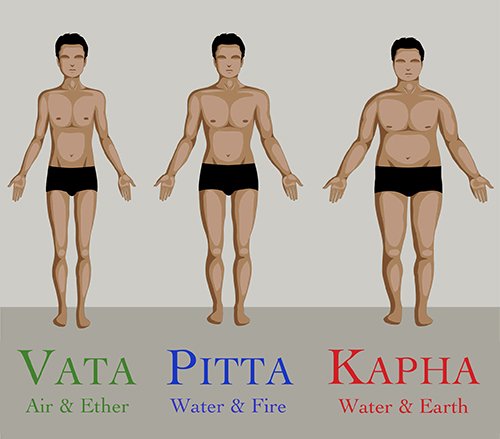
- Vata
Focus on Warm, grounding foods that are nourishing and moist to balance Vata
Eat more: Cooked grains (rice, oats), healthy fats (avocado, ghee), and warming spices (nutmeg, cinnamon).
Avoid: Stay away from raw veggies, too much coffee, and carbonated drinks.
- Pitta
Cooling, hydrating foods that regulate internal heat are ideal for Pitta types.
Eat more: Best foods are leafy greens, dairy (in moderation), fresh fruits like melons and pears
Avoid: Don’t consume Alcohol, fried foods, and spicy meals.
- Kapha
Light, dry foods that promote mobility and purification are beneficial for kapha types.
Eat more: Bitter greens, legumes, and spicy foods like black pepper and ginger.
Avoid: Stay away from fried foods, excessive sweets, and heavy dairy.
Advantages
To get certain advantages, you don’t have to follow every aspect of the Ayurvedic diet. The basis for a healthy, sustainable lifestyle is the careful balancing of whole foods and the integration of nutrition with other wellness-focused practices. Eating more whole foods high in fibre, antioxidants, and other nutrients has a number of advantages. Benefits may consist of:
- Lowering the chance of diseases like type 2 diabetes, obesity, and heart disease
- Increasing your fibre consumption helps with weight management and digestion
- Cutting back on processed foods, which can have high amounts of sodium, saturated fat, and added sugar, can help bolster the immune system.
Is it safe to follow an Ayurvedic Diet?
Some people may benefit from the ayurvedic diet, but others may not adapt to its complexity. Determining your dosha may be difficult. Each dosha’s traits, including your body type and health issues, are personal.
Strict rules for what and when to eat and drink are outlined in the Ayurvedic diet. The diet advises against mixing particular flavours and consuming excessive amounts of water before and after meals. If these seem very restrictive, it may be difficult to stick with them. If you have a history of disordered eating or are at risk for it, this diet might not be for you.
The last word
A sophisticated and age-old method of treatment includes the Ayurvedic diet. Ayurvedic traditions are typically followed by adherents, and their spiritual and health practices are intertwined. Outside of this setting, using Ayurvedic nutrition could not be as beneficial as adopting the full Ayurvedic philosophy and might overlook the cultural background of Ayurveda.
To make sure the eating plan is healthy for them, people who are interested in trying this diet should speak with a qualified practitioner and seek advice from a physician or certified dietician.