
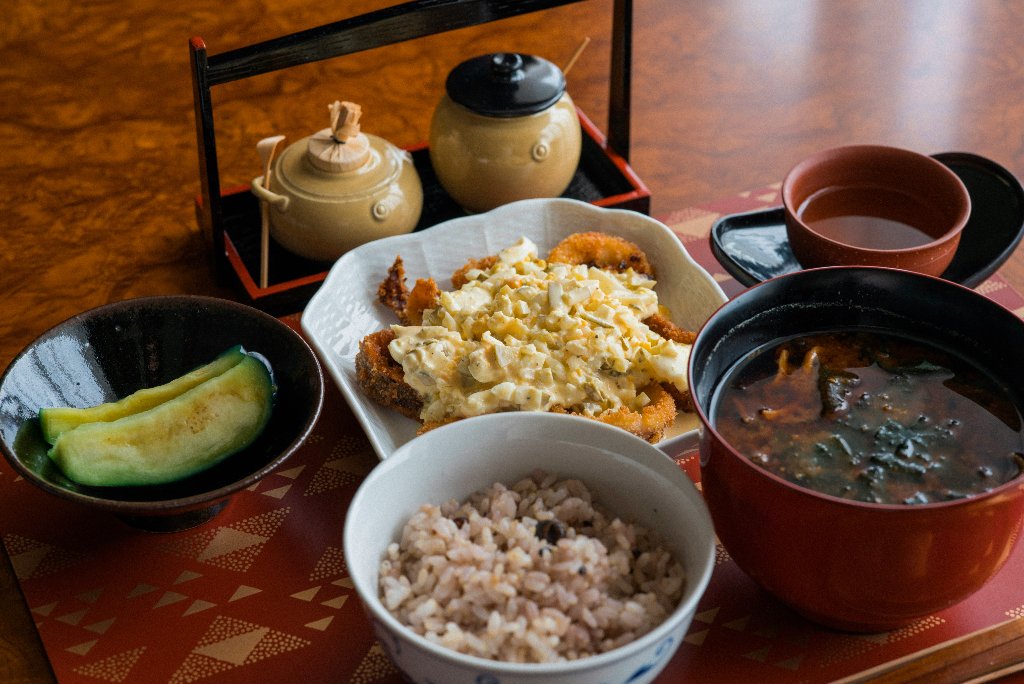
As many as 40-50% per 100,000 live to be 100 years of age or more in Okinawa. It is a prefecture southwest of mainland Japan made up of 160 Islands, 48 of which have the highest percentage of centenarians worldwide. Although most Okinawans live on Okinawa Island, the entire area is referred to as a “blue zone,” where residents not only live longer but also have better health and fewer age-related illnesses. Researchers have been studying Okinawan centenarians since 1975 in an effort to figure out why they live so long. Numerous people have noted that Okinawan longevity and health are significantly influenced by the traditional diet. Vegetables and legumes, particularly Soy, make up the majority of the area’s diet. It contains complex carbs, is high in fibre, and is low in calories and fat.
How does it operate?
After National Geographic Fellow Dan Buettner examined the dietary and lifestyle practices of 5 areas of the world with the lowest rates of chronic illness and longest lifespans, the Okinawan diet, a Blue Zone Diet, was developed. The Blue Zones are the name given to these areas.
- By imitating the Japanese island’s Traditional eating practices, the diet seeks to promote long and healthy life.
- It is low in calories and similar to a vegetarian diet. It emphasizes plant-based, locally grown foods and avoiding meat, dairy, and processed foods.
- The diet’s abundance of whole foods high in vitamins, minerals, and potent antioxidants is primarily responsible for its longevity advantages.
- Oxidative stress, which can lead to diabetes, heart disease, cancer, and other age-related illnesses, can be prevented by antioxidants.
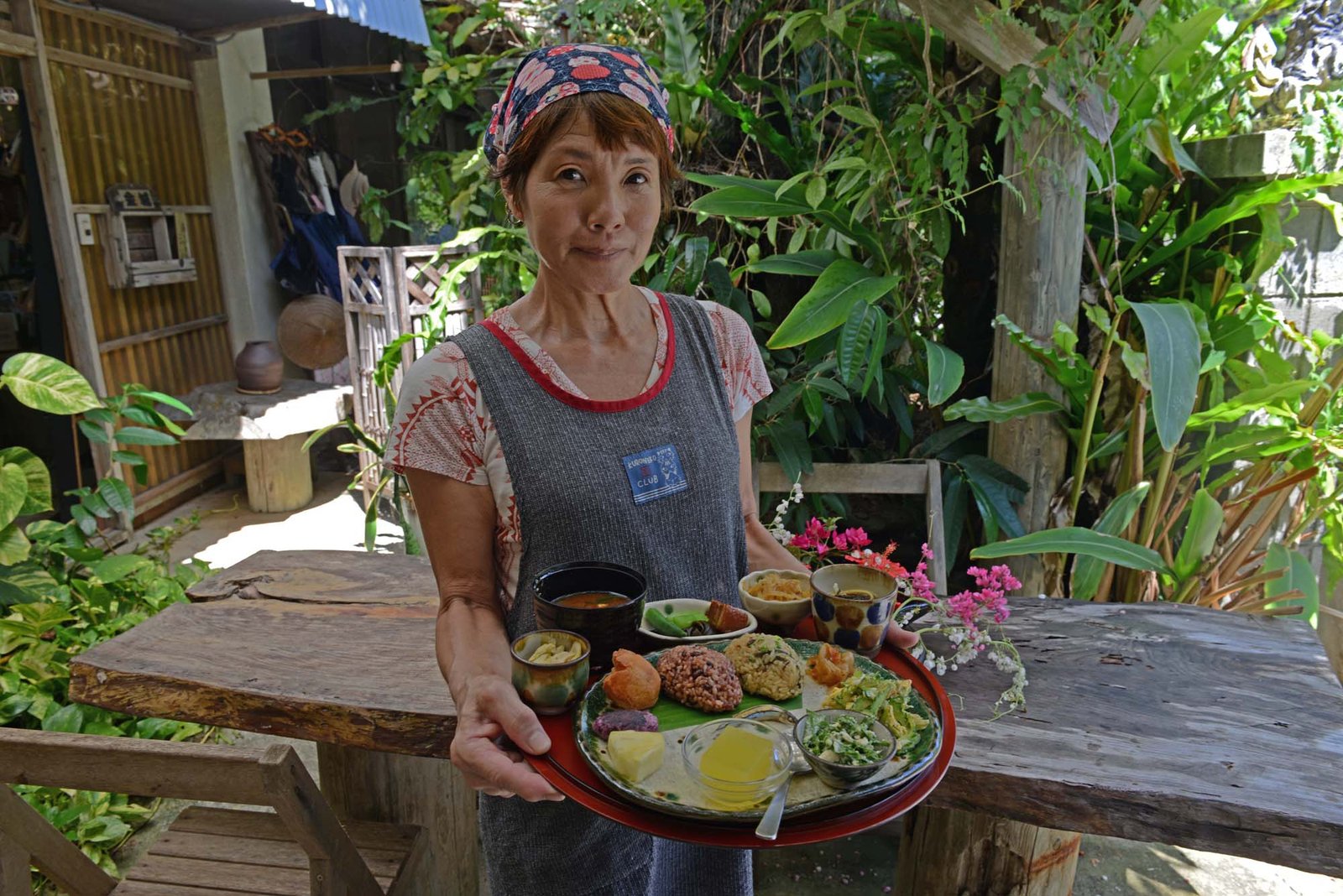
Foods to consume in the Okinawan diet
The Okinawan diet is based on the customary eating habits of the residents of Okinawa. It is a Japanese Island with one of the longest life expectancies worldwide. The diet places an emphasis on plant-based options and a mix of nutrient-dense foods. This particular diet typically consists of the following foods:
- Sweet Potatoes: Packed with complex carbs, fibres, and other minerals, sweet potatoes are a mainstay of the diet.
- Veggies: Leafy Greens, carrots, radishes, and other locally grown produce, among the many vibrant veggies that Okinawans eat.
- Tofu and soy-based products: An essential part of the diet, tofu, miso, and other soy-based goods offer a plant-based protein.
- Seaweed: Offering vital vitamins and minerals, seaweed is frequently used in its cooking.
- Legumes: Often eaten as Natto (Fermented soybeans), beans, particularly soybeans, are a good source of protein.
- Fish: Omega-3 fatty acids and other vital elements are found in fish. The locals have long included it in their diets.
- Lean meat: Moderate consumption of lean meat is advised.
- Green tea: Known for its health-promoting qualities, green tea is a popular beverage among the locals.
- Whole grains: The Okinawan diet favours brown rice and other whole grains over refined grains.
- Fruits: The people love a wide range of fruits that are high in vitamins and antioxidants. Fruits include citrus fruits, papaya, and pineapple.
- Herbs and spices: The food includes a variety of herbs and spices, such as turmeric, which may enhance the diet’s health advantages.
- Minimal process foods: Whole, natural foods are prioritised in traditional meals. They are lightly processed.
Although there isn’t a particular diet, Okinawans have historically consumed fewer calories than many other groups, and calorie restriction is an important part of their way of life.
Why do Okinawans have such good health?
Okinawans’ nutrition is one factor contributing to their good health. This specific heating pattern is linked to a lower risk of cardiovascular disease and other chronic illnesses, much like the DASH and Mediterranean diets. Research hypothesizes that low glycemic load, high antioxidant consumption, and low levels of saturated fat impact several biological processes, including lowering oxidative stress.
At age five, the residents also create distinctive social networks known as moai. For 97 years, one Moai had met every day. The other four would travel across the village to see how their friend was doing if one of them failed to show up. They cherish their family and religious communities in addition to developing these close connections. Additionally, they naturally move throughout the day, becoming active just by strolling, cooking, and performing housekeeping.
The final words
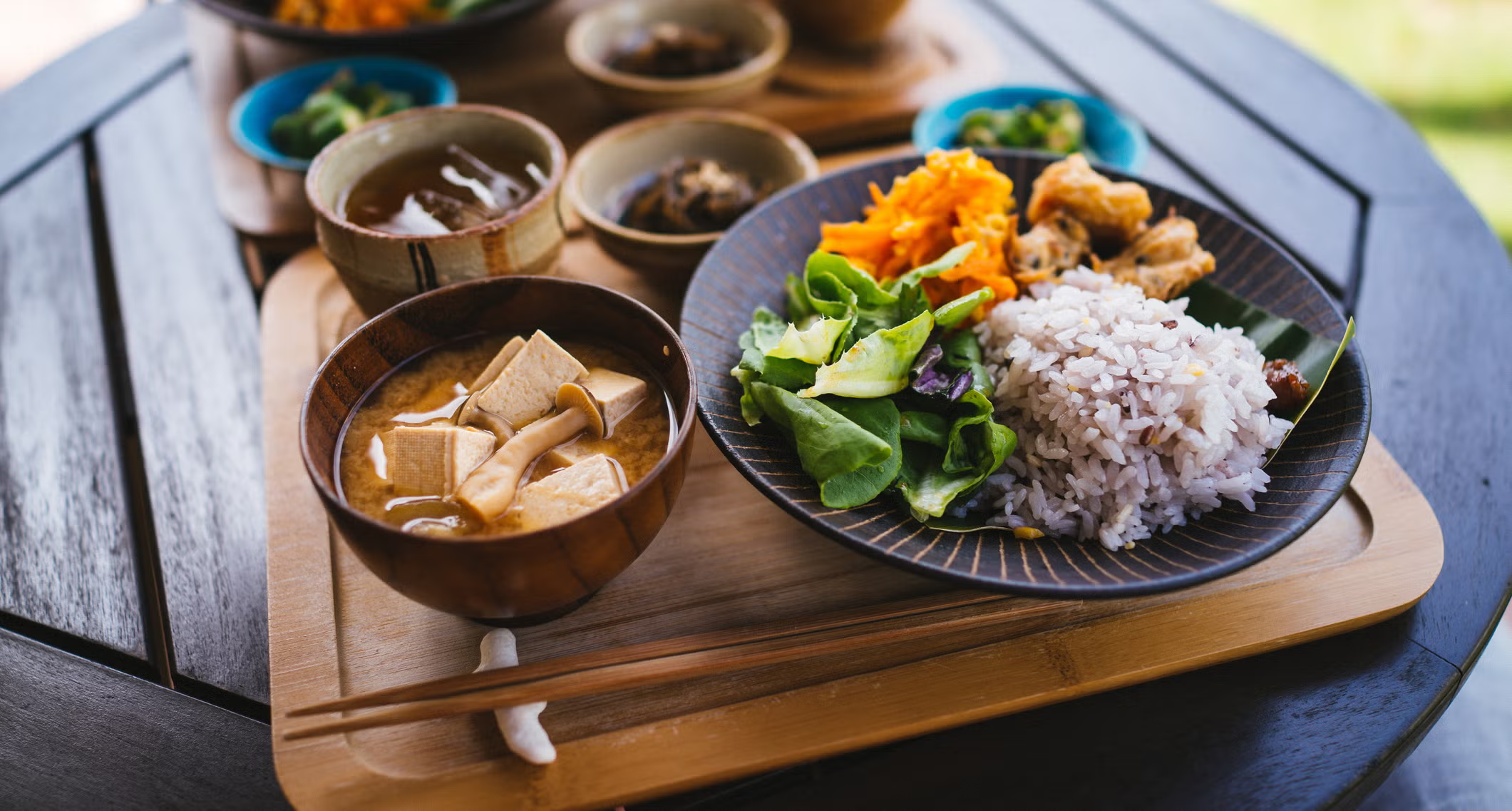
If you don’t live in Okinawa and don’t have easy access to local speciality foods, this kind of diet may be challenging to stick to. Having said that, some dietary principles can teach us a lot. There are numerous health advantages to emphasizing more whole foods, produce, and plant-based dishes. Limiting overly sugary and refined processed foods, as well as eating in moderation, are all crucial lifestyle choices.