
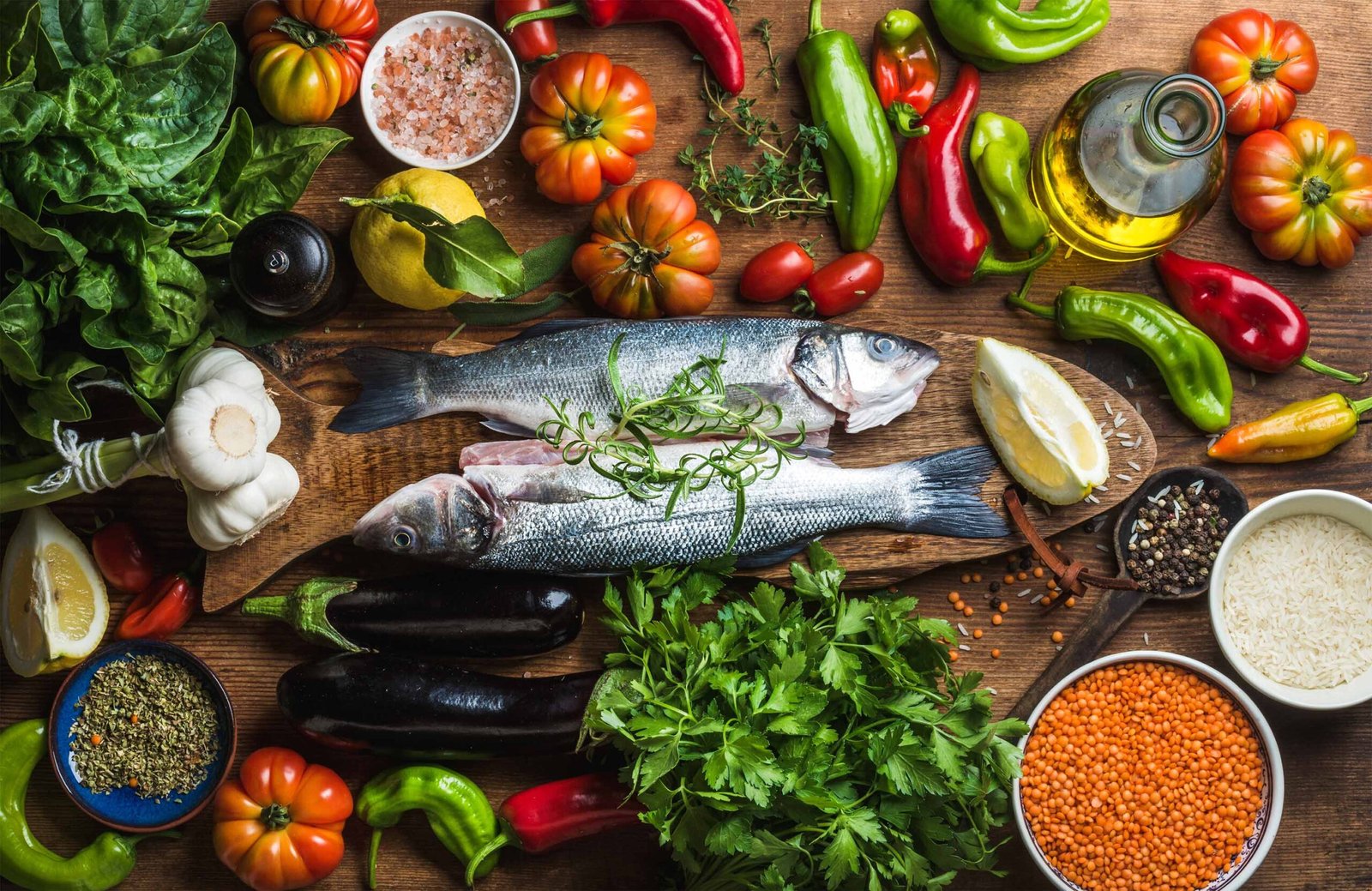
The term Mediterranean diet refers to the customary eating practices of the Nations that surround the Mediterranean Sea. There isn’t just one typical Mediterranean diet. The Mediterranean is bordered by at least 16 Nations. Due to variations in culture, ethnic background, religion, economy, geography, and agricultural output, eating habits differ between various Nations and even between regions within each Nation. There are a few similar factors, though.
What makes the Mediterranean diet so popular?
Long-term illnesses are known to be influenced by diet. Cardiovascular disease, which includes issues with the heart and blood vessels, is one of these. Cardiovascular diseases were associated with lower mortality in various Mediterranean countries. Countries such as Greece and Italy have fewer cases compared to the United States and Northern Europe. Report according to observation from a study conducted in the 1960s.
Recent research has connected the Mediterranean diet to decreased heart disease risk factors like high blood pressure and cholesterol. These days, American nutritionists suggest the Mediterranean diet as one of the healthy eating regimens. The World Health Organisation acknowledges it as a healthy eating habit. The Mediterranean diet is similar to the eating habits of many countries, such as Japan.
What foods are included in a Mediterranean diet?
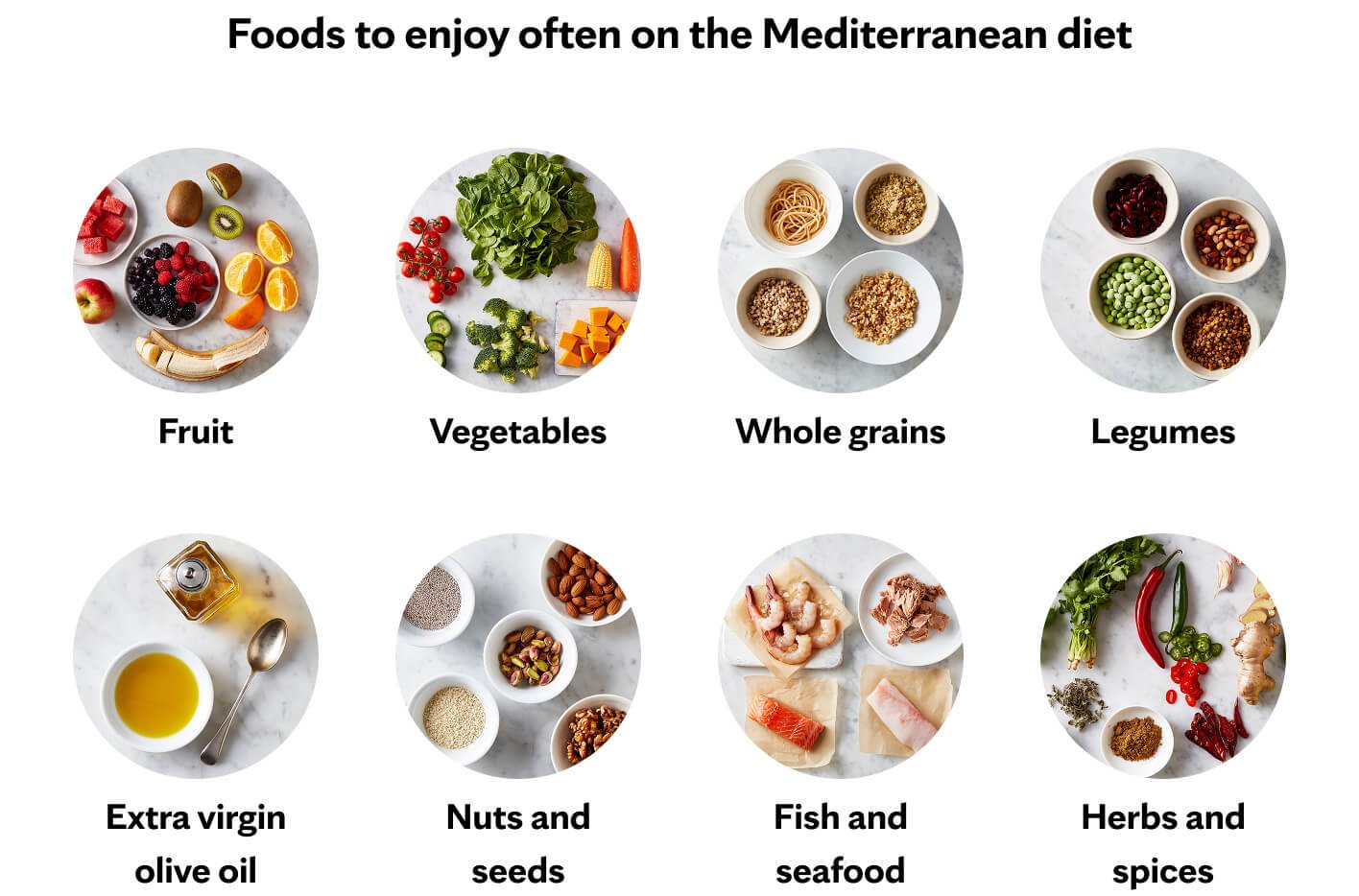
Numerous foods found in areas that border the Mediterranean Sea make up the Mediterranean diet. These foods supply our bodies with a range of vitamins and nutrients. The following food groups are included in the Mediterranean diet.
- Vegetables and fruits
- Almonds, walnuts, sunflower seeds, pumpkin seeds, and other nuts and seeds
- Legumes and beans, including kidney beans, Black beans, chickpeas, and lentils.
- Brown rice, quinoa, whole wheat bread, and whole wheat pasta are examples of whole grains.
- Seafood and fish
- Avocado, almond, and extra virgin olive oils are examples of healthy fats and oils
What advantages does the Mediterranean diet offer?
Among the many advantages of the Mediterranean diet are:
- Reducing your chance of developing cardiovascular disease. It includes heart attacks and strokes.
- Encouraging a healthy body weight
- Promoting normal blood pressure, cholesterol, and blood sugar levels
- Reducing your chance of developing metabolic syndrome
- Maintaining the proper ratio of bacteria and other microorganisms in your digestive system all that microbiota.
- Reducing your chance of developing some forms of cancer
- Reducing the rate at which brain function
- Extending your lifespan
How can I begin following this diet?
Here are some points to help you follow the Mediterranean diet:
- Start slowly and add additional fruits and vegetables: Incorporate a small amount of fruit or vegetables into your diet. Try having a cup of fruit or a few celery sticks with peanut butter as a snack. You can gradually incorporate steamed veggies, such is such as carrots or broccoli, into meals. Use your imagination. Choose the meal that suits your eating schedule.
- Reducing red meat: Make an effort to consume less red meat instead. Eat more seafood or fish.
- Include whole grains: Gradually swap out refined grains with whole-grain substitutes. Consider gradually converting to brown rice, for instance, if you prefer white rice.
- Better fats: Use olive oil instead of butter while cooking to reduce your intake of saturated fat.
Which items are excluded from the Mediterranean diet?
Avoid these foods or consume in moderation if you are attempting to adhere to the Mediterranean diet:
- Highly processed foods, including chips, sweet fruit drinks, and sodas.
- white bread, white rice, and pastries are examples of refined carbs to avoid.
- Meats that are processed or high in fat. Such as hot dogs, sausages, bacon, and deli meat.
- Food high in sodium, like canned goods, quick soups, and salted nuts.
- Foods with heavy saturated fats, including processed cheese, butter, meat, and coconut oil.
Conclusion
It might be challenging to choose the best diet for you in a world where there are countless possibilities. Numerous people, particularly those who are at risk for heart disease, have benefited from the Mediterranean diet, according to research. The Mediterranean diet can help you prevent a number of different illnesses in addition to heart protection.
It’s crucial to consult a healthcare professional before beginning any diet regimen. They will ensure that the plant is suitable for you and assist you in making any necessary adjustments. Share your aspirations with your loved ones as well. Ask them to prepare and serve you meals. Having a supportive community on your side makes it easier to stick to a diet plan over time.