
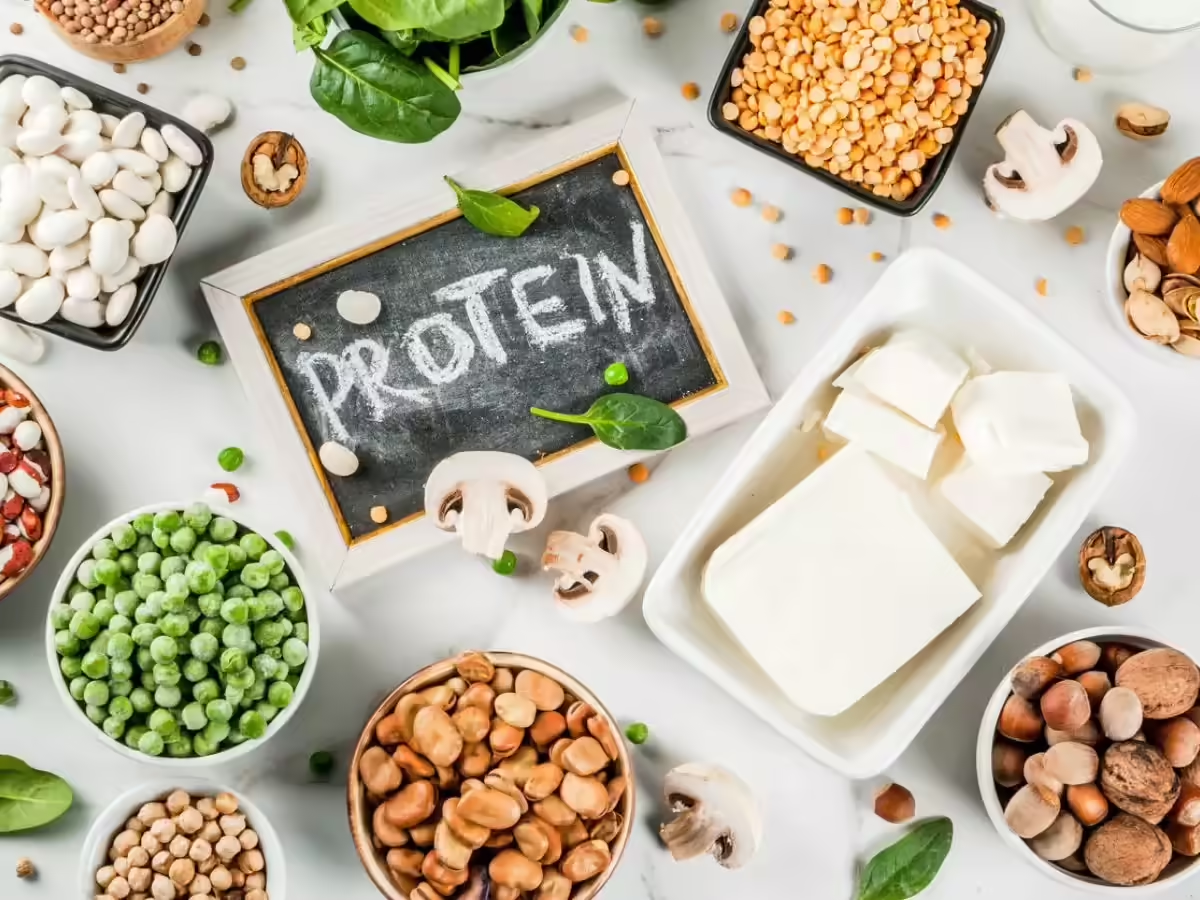
High-Protein Vegetarian Diet: A vital component, Protein aids in tissue healing, muscle growth, and immune system maintenance. Vegetarians can obtain sufficient protein from plant-based sources, despite the common misconception that only non-vegetarian foods like meat, eggs, and fish are high in protein.
A National Centre for Biotechnology Information study found that an adult with little physical activity should consume 0.8 grams of protein per kilogram of body weight. Thus, sufficient intake of meals high in protein is necessary for the best possible growth and development. How to increase protein intake in a vegetarian diet is the most important question for someone who doesn’t eat animal protein.
This article will help you learn the finest high-protein vegetarian foods, their advantages, and easy methods to incorporate them into your meals if you are a vegetarian or are thinking about switching to a plant-based diet.
How can Protein Consumption be balanced during the day?
It’s not only about what you eat to get your daily protein goal, but it’s also about when you eat. For optimal absorption and digestion, spread out your high-protein vegetarian foods throughout the day rather than packing them all into one meal.
- Breakfast: Start with high protein dishes like moong dal chilla, paneer paratha or greek yoghurt and chia seed smoothie.
- Lunch: Choose well balanced dishes like chickpeas salad, quinoa bowl with vegetables or lentils with rice.
- Lunch: Try something like light high in protein, like hummus with vegetables, roasted chana, almonds, or peanut butter on toast.
- Dinner: Finish with the combination of vegetables and foods high in protein, such as rajma, stir-fried tofu, or a millet-based fish.
Spreading out protein consumption promotes muscle repair, chief extra protein from being squandered, and help sustain energy levels. Vegetarians can be easily maintains and active and Healthy lifestyle with the balanced diet high in protein.
Best protein sources for vegetarians
Soybeans
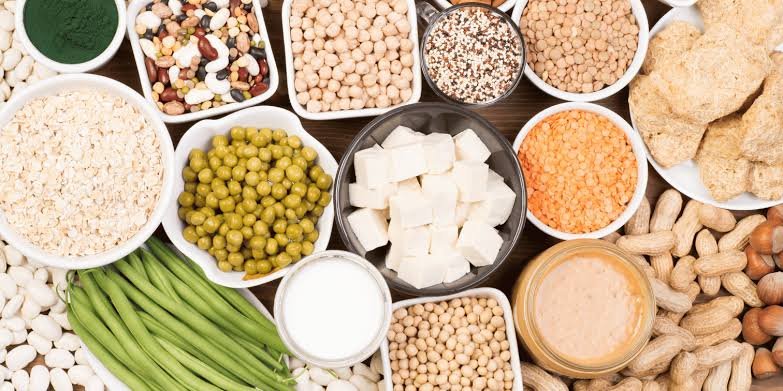
With an Incredible 28g of protein per cup, soyabeans real diamonds in the realm of high protein vegetarian foods. However, it’s not optimal to have too much soy everyday, balance is essential.
Tofu
Tofu is your best friend if you are avoiding dairy. It contains roughly 10g of protein per 100 gram and is manufactured from soy. Make a tofu bhurji or toss it into stir-fries.
Legumes
When did comes to food high in protein, these small legumes are gold. Whether black chana or kabuli chana, they are invaluable. About 15g of protein may be found in one cup of cooked chickpeas. Add them to a curry, create hummus, or eat roasted chana as a snack.
Quinoa
Quinoa has a respectable protein content and is a pseudocereal (plants that produce fruits are seeds considered as cereals). A portion of Quinoa weighing 100 grams contains 4.4 grams of protein. It is rich in iron sync and magnesium. More minerals and antioxidants are found in bitter quinoa variants than in sweeter ones.
Chia Seeds
A diet high in chia seeds guarantees better blood sugar regulation and more fibre. 16.5 grams of protein and 34.4 grams of fibre are found in a 100-gram serving of chia seeds. Additionally, they are rich in Omega 3 fatty acids. They support heart health.
Hung curd or Greek yogurt
Gre yoghurt provides nearly twice as much protein as ordinary yoghurt. Roughly 10 grams per cup. You may make a powerful snack by adding some fruit and almonds.
Peanut
A 30g serving of peanuts has 9g of protein. They are excellent protein-rich meals that vegetarians may depend on, whether they are roasted peanut butter or chutney.
Peas
Nearly 25% of your daily intake of vitamin A, C, K, fibre, thiamine, folate, and manganese come from green peas. Some chronic diseases, such as diabetes and cancer, can we prevent it by eating green peas. Slow digestion and increased fullness are guaranteed by the presence of protein and dietary fibre.
Almonds
A handful of almonds has roughly 6g of protein. They are the fantastic on the go snack, but because they are high in calories consume them in moderation.
The significance of protein for the body
Almost all bodily functions depend on protein. It helps in:
- Developing and mending muscles
- Bolstering the immune system
- Keeping nails, hair, and skin healthy
- Making hormones and enzymes
- Encouraging bone health
Fatigue, Muscle loss weakened immunity, and a sluggish recovery from sickness can all result from inadequate protein intake.
In conclusion
When carefully planned, a vegetarian or vegan diet can supply all necessary protein. Long term health advantages, improved digestion, and balanced nutrition are guaranteed when the range of high protein plant foods is consumed. Knowing what to eat and how much to eat gives people the ability to naturally meet their protein demands while promoting General Health.