
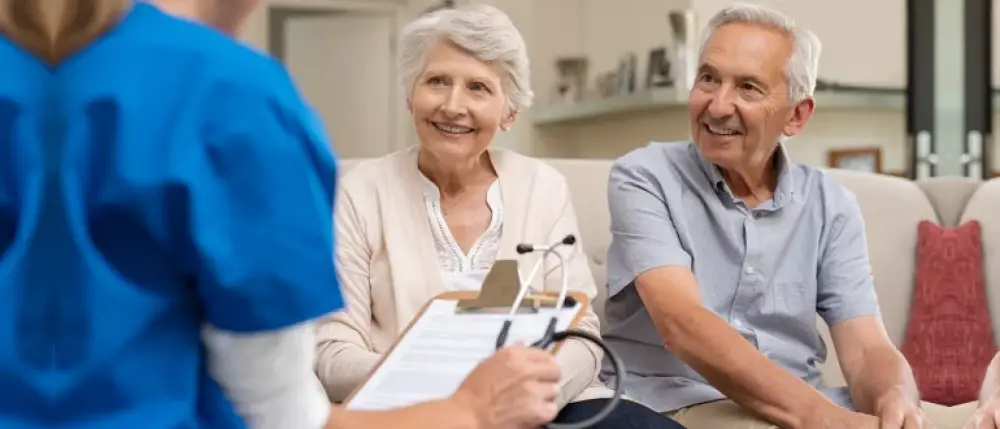
Nowadays, people can anticipate living longer than a few decades ago. According to the findings, you may expect to live an additional 19.3 years on average once you turn 65. Therefore, managing chronic diseases properly is important for many people in order to maintain their health. To reduce the dangers to your health as an older person, you should be physically active, consume healthy food, and adopt Healthy lifestyle choices like quitting smoking and losing weight. Health issues automatically arise when you start to age. You can prevent illness as you age and maintain a healthier lifestyle, more of common chronic conditions. Health issues are very common in senior citizens. We have made a list of 7 of the most common health issues among the elderly.
Common Health Challenges Faced by Senior Citizens
These are the most common health issues mostly faced by older people:
Asthma
Asthma, which causes swelling and tightness of the lung’s airways, is thought to affect 9% of people aged 65 and over. Breathlessness, coughing, tightness in the chest, wheezing, and trouble exercising are common symptoms. Because the symptoms can be confused with other conditions like heart difficulties or COPD, asthma goes misdiagnosed in older people.
Loss of hearing in senior citizens
Gradual hearing loss is often caused by infections, ageing, loud noises, and genetic problems. Do let your doctor know if you have problems hearing over the phone, find it difficult to understand conversations with others, and frequently ask others to repeat what they are saying. Chronic medical disorders, including diabetes, cancer, or heart failure, can also contribute to hearing loss.
Cancer
28% of men and 21% of women over 65 have cancer, making it the second most common cause of death in this age group. Many forms of Cancer are treatable if detected early with screenings, including skin checks, colonoscopies, and mammograms. Even though cancer cannot always be prevented, you can collaborate with your medical team and follow their healthy senior living guidelines to enhance your quality of life as a senior living with cancer, even during treatment.
Alzheimer’s Disease
The Alzheimer’s Association estimates that one in nine adults aged 65 and older, or roughly 11% of the population, has Alzheimer’s disease. It is impossible to determine the precise number of people who have this chronic illness due to the difficulty of diagnosis. Experts agree that cognitive Impairment has a substantial effect on senior health in a variety of ways. It ranges from concerns about safety and self-care to the financial strain of providing care at home or in a residential facility.
Diabetes
Diabetes is a condition that arises when your body is resistant to or produces an insufficient amount of insulin. It affects 24% of all older people. Your body needs insulin to transport energy from food to your cells. If this doesn’t occur, you have high blood sugar. It can cause problems, including heart disease, kidney illness, or blindness. After the age of 45, the likelihood of developing diabetes rises.
Rise in blood pressure in senior citizens
Hypertension is a frequent illness affecting both the amount of blood your heart pumps and the resistance of your arteries to the blood flow. It affects about 61% of senior persons. High blood pressure, sometimes referred to as hypertension, occurs when your heart pumps a lot of blood, and your arteries are narrow and restrict the flow. Not only can hypertension go undiagnosed for years, but it can also lead to other major health problems like heart attack and strokes.
Arthritis
Arthritis, an inflammation of the joints that causes pain and stiffness and is more common in women. It affects about 51% of Senior Citizens. Even though arthritis may make it difficult for you to be active, it’s crucial to collaborate with your physician to create a customised activity plan that, when combined with other therapies, can support senior health.
In conclusion
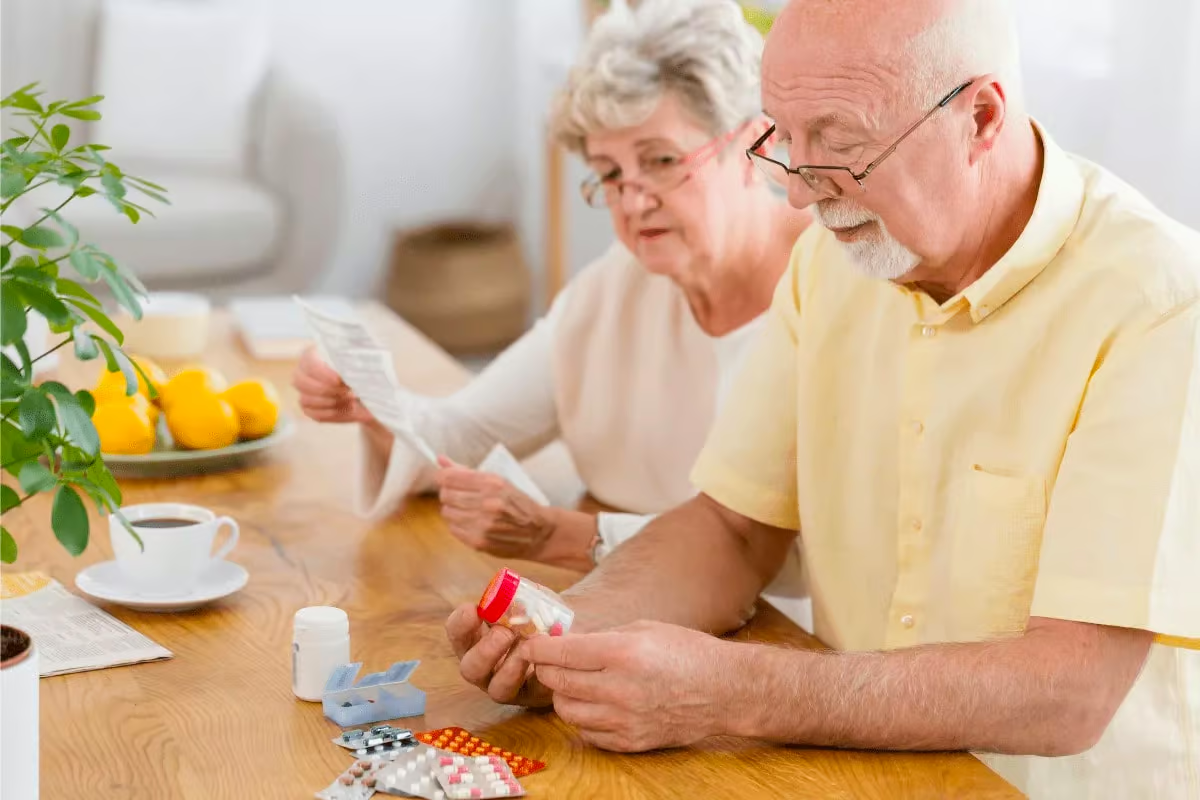
It takes awareness and a proactive approach to manage the frequent health issues that come with ageing. Although the most common problems are covered in this article, keep in mind that life is different for everyone. The objective is to successfully manage health issues rather than completely eradicate them in order to preserve independence and the best possible quality of life for as long as possible. Understanding these illnesses, identifying warning signs, and adopting a Healthy lifestyle that consistently takes preventive action are the keys to empowerment. Above all, establish a collaboration with medical experts. This is now simpler than ever. Thanks to modern Health Care technologies. The most effective way to guarantee long-term well-being in your late years is to take that action.