

Summer is a time to relax and have fun in the West, but if you are living near the equator, I can say it is very difficult for you to survive. This can be the worst time of the year for you. No matter how difficult your life is, nothing beats the average 46 degrees Celsius heat in the summer. In the summer, seasonal infections are easy to contract if you don’t take care. According to a recent prediction by the Indian Meteorological Department (IMD), the EL Nino situation, which is anticipated to persist until May, would result in a warmer summer this year. As a result, there will be more heatwave days, which will make the summer months more painful because of the intense heat.
Your skin, eyes, gut, and entire body may be impacted by the rising temperatures. In this article, we’ll discuss the most prevalent summertime illnesses that could harm you and offer some simple advice to help you stay well and make the most of the season.
A general strategy for managing cases of heat-related diseases
Simple steps like these can help address minor heat-related issues at home or at work:
- Relocating to a cooler location from a heated one.
- Assisting with cooling (using cold sponging, fresh air, air conditioning, coolers, fans, or handheld fans)
- Give them lots of liquids to drink, such as ORS solution, lime water, or cool water.

First aid and symptom treatment, including some DIY solutions like:
- In scorching heat, use talcum powder, either regular or medicated, or calamine lotion.
- Use an over-the-counter antiseptic ointment or antibacterial powder for moderate local skin infections.
- Apply cold milk, aloe vera gel, cucumber slices, natural yoghurt, or cool water to sunburns and suntans.
However, even while first aid or on-site care may be given in cases of severe heat-related issues, the affected individual should be brought right away to a nearby doctor or hospital for additional medical management by a physician in a medical facility.
First aid in case of a Summer Heat Health Emergency
- Relocating to a cooler location from a heated one
- Lowering the person’s body temperature (by taking off tight clothing, putting ice packs, water, or wet cloths on the skin, and using fans, coolers, air conditioners, etc.)
- Providing enough liquids to drink (if the individual is able to consume liquids and is completely cognisant)
- Maintain first aid while the patient is being transported to the hospital.
How to cope with intense heat waves and remain cool
Steer clear of hot weather conditions and heat waves. Only venture outside in the sweltering heat when absolutely need.
- Buy the necessary measures to keep your home, workplace, etc. cool (e.g., utilise fans, coolers, air-conditioners, etc.).
- Make sure your living area has enough fresh air ventilation. To combat the heat, use chiks and curtains.
- Make sure your living area is dry and spotless. Watering your home and surrounding areas can be beneficial.
- Have chilly showers.
- Put on appropriate clothing, especially light-colored, loose-fitting cotton clothing.
- Steer clear of plastics and clothing that doesn’t breathe.
- Apply damp cloths to the body if necessary.
- Consume a lot of liquids and cool drinks.
- Steer clear of physically demanding activities during the hottest parts of the day.
- Never be afraid to get medical help if you have any symptoms or concerns.
Common Health Problems Seen in Extreme Hot Weather
The sensation of heat rash
Although it is most frequently observed in children, women, and obese people, prickly heat can afflict anyone when perspiration and humidity encourage bacterial growth and infection on the skin. This itchy, reddish skin rash typically appears on portions of the body that are typically covered and clothed, like the groin, armpits, under the chin, and the upper chest and back. Scratching the skin repeatedly in an effort to stop itching might cause further damage or even infection.
Preventive actions:
- Avoid hot and muggy conditions by staying in a cool location in your house or place of business.
- Take a bath every day (or twice a day) and practise proper personal hygiene.
- After taking a bath, apply talcum powder on your skin.
- Wear cotton clothing, including your pants, and stay away from plastic and bulky items.
Handling prickly heat:
- Avoid scratching the skin (a child may need to have their nails clipped).
- Keep the impacted area dry, cold, and clean.
- Apply a medicated talcum powder, lotion, or anti-itch cream or powder (like calamine lotion) on the afflicted area.
- Cover the rash with cool, moist compresses.
- You can take readily available over-the-counter allergy medications.
However, speak with your physician or a skin specialist if it is severe or not improving.
Skin infections
Skin and foot infections are particularly prevalent in the summer. Mild to severe symptoms can result from infections caused by a variety of microorganisms, most commonly bacteria and fungi. Humidity and perspiration can make the issue worse.
Typical summertime skin infections:
- Boils (painful inflammation of the surrounding skin and hair follicles)
- Impetigo is characterised by red, puffy skin that oozes and hurts.
- Fungal skin infections are characterised by itchy, white or coloured lesions that frequently clear in the centre; they are more prevalent in skinfold areas such as the groin, the space between adjacent fingers and toes, the armpit, and behind the breasts.
- Open wounds that are infected, particularly those caused by cuts and thorns.
Avoidance:
- Maintain proper personal hygiene by taking a daily shower and giving your skin, feet, toes, etc. a thorough scrub.
- Avoid letting food particles, perspiration, dust, or other filthy substances remain on your skin for extended periods of time.
- Steer clear of hot and muggy conditions. Make sure your skin is dry, clean, and chilled. Avoid keeping your hands or feet wet or in constant direct contact with water (e.g., while working in the kitchen or washing your car).
- Take the necessary safety measures to avoid any skin injuries, and if one does occur, receive the appropriate care.
- You must check your hands, feet, and skin every day for any injuries or infections if you have diabetes or any other illness that affects your ability to feel pain or touch.
Heat Stroke
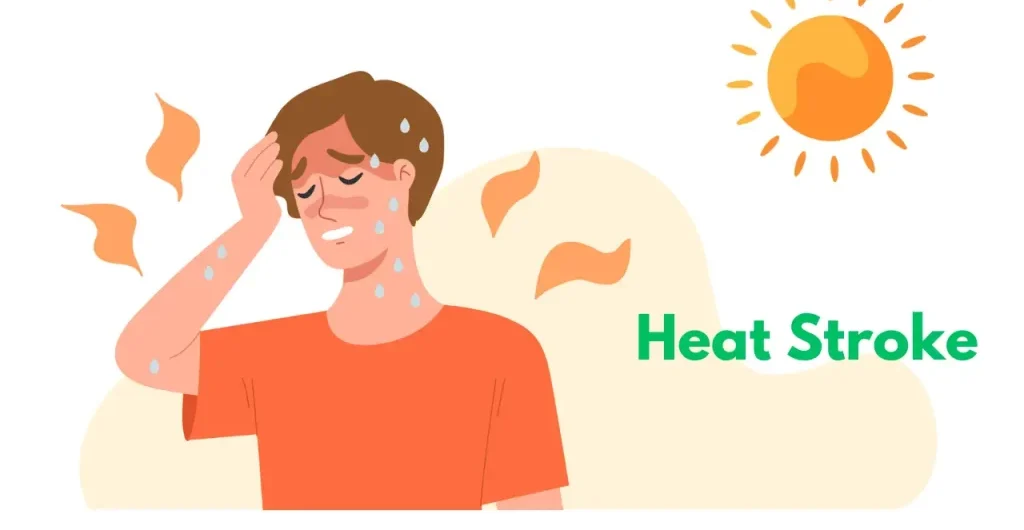
It is the most severe and potentially fatal heat-related sickness, and it is more prevalent in older people and infants. The body’s systems are stunned by extreme heat, which prevents sweating and prevents the body from cooling itself or releasing heat. The brain and other critical organs start to fail as the victim’s body temperature quickly increases to an extremely high level, usually between 104°F and 111°F (occasionally much higher).
Clinical characteristics:
- elevated body temperature
- Dry, hot, and red skin
- gradual unconsciousness
- weak, quick pulse
- Low blood pressure
- Breathing quickly and shallowly
- Mild disorientation, agitation, imbalance, irritability, fits, and coma are examples of neurological symptoms.
- The affected person may rapidly worsen, leading to multiple organ failure, unconsciousness, and ultimately death, if prompt and appropriate care is not received.
- Since these symptoms might also appear in other medical disorders (such as malaria, septicaemia, adverse drug reactions, etc.), it is imperative that doctors correctly diagnose heat stroke and treat patients accordingly.
First aid and initial management should be given as soon as possible:
- If the person is conscious and able to drink, move them to a cool location and offer them cool water.
- By all means, cool the body.
- Stop administering drinks by mouth if the patient throws up. Call for medical assistance while placing him or her on one side.
Until medical assistance (a doctor, ambulance, or hospital) arrives, keep the skin cold.