
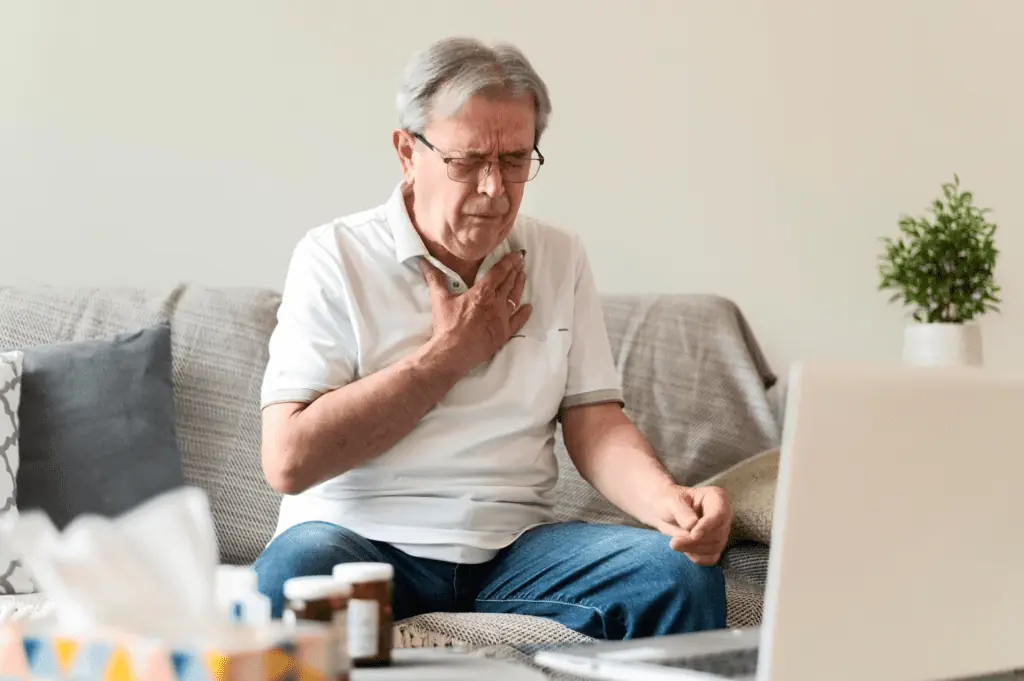
Millions of individuals worldwide suffer from Chronic illnesses. It have a substantial negative influence on their quality of life. These chronic illnesses frequently arise from a confluence of lifestyle, environment, and hereditary factors and progress gradually. Diabetes, heart disease, hypertension, obesity, cancer, and respiratory disorders are just a few of the numerous conditions that fall under the category of chronic diseases. Numerous of these conditions are impacted by daily behaviors like nutrition, exercises, stress levels and sleep patterns. It is more crucial than ever to comprehend the causes, dangers, and preventive strategies of lifestyle related diseases due to their rising prevalence. Chronic illness can cause serious problems if left untreated. Problems like lowering life expectancy and general well-being. However, people may take charge of the health and reduce the chance of getting these disorders with the correct knowledge and preventive actions.
What signs and symptoms indicate a chronic illness?
Depending on which chronic illness (or illnesses) you have, you may have a variety of symptoms. Typical signs and consequences include:
- Pain: Chronic pain, even at mild levels, can be draining. Additionally, having perustent pain can cause other problems like central pain syndrome and irreversibly alter your neural system.
- Physical limitations: You may struggle with balance, coordination, or muscle strength.
- Fatigue: Your endurance may suffer as a result of long-term medical conditions.
- Effects on Mental health: Long-term illnesses can be extremely stressful. Individuals with them are more likely to experience mood disorders like anxiety or sadness.
- Body changes: Your body’s appearance might be affected by a number of chronic illnesses. That may cause discomfort, embarassment, or even shame, depending on the outcome.
- Risks of other problems: You are more likely to get other problems if you have a number of chronic diseases. Examples include diabetes, high blood pressure, and excessive cholesterol. You are more likely to develop the other two if you have one of them.
Coping techniques to improve life quality

- Seek support: Developing a network of support is essential to managing chronic illnesses. Throughout your journey seek out friends, relatives, or support groups that can offer compassion, understanding, and encouragement.
- Continue to communicate openly with doctors: Effective symptom management and treatment options discussion depend on regular communication with your healthcare providers. This can help you address concerns complete and optimise your quality of life.
- Adopt Healthy lifestyle habits: Make healthy habits a part of your everyday routine. It can be done by eating a balanced diet full of fresh fruits and vegetables, exercising frequently as advised by your doctor, getting enough sleep, and abstaining from bad habits like smoking and binge drinking.
- Manage Stress: Finding healthy strategies to manage your stress is crucial because chronic illnesses can be distressing. Think about relaxing methods like yoga, meditation, deep breathing, exercises, or doing things you enjoy.
- Educate yourself: You can take an active role in your healthcare journey by being aware of your disease and available treatment. Ask questions during medical appointments, seek advice from experts, and stay informed by consulting trustworthy sources.
- Accept technology: Make use of online resources and medical applications of a self care, medication reminders, symptom monitoring, and support system access
- Frequent medical checkups: To effectively manage chronic conditions, it is crucial to regularly see healthcare specialist for checkups, screening, and prescription changes.
Overcoming obstacles to Leading a Healthier Lifestyle
Adopting a healthy lifestyle might be difficult, but long-lasting improvements are achievable with the correct attitude and techniques. The following are crucial actions to get beyond typical obstacles:
- Breaking old habits: Gradually replace bad habits with constructive ones. To create long-lasting habits, start small and concentrate on consistency rather than aiming for perfection.
- Lack of Time and motivation: To keep motivated, locate accountability partners, set reasonable goals, and employ reminders. To keep on track, set priorities for your work and set aside brief periods of time for meal preparation or exercise.
- Useful advice for modifying your lifestyle: Make small changes, such as using the stairs or adding extra veggies. You can achieve long lasting gains without overdoing it by making small, doable able modifications.
Adopting a Healthy lifestyle becomes possible by overcoming these obstacles with perseverance and patience. It will improve your health and well being in the long run.