
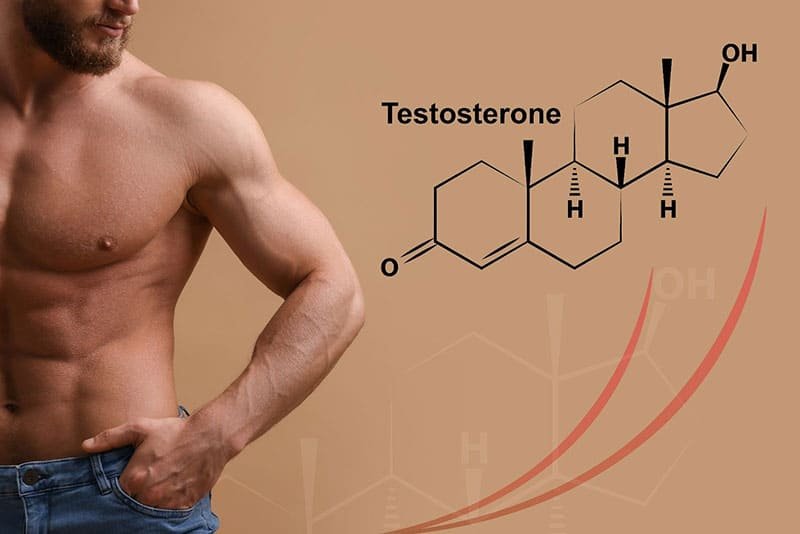
Your gonads, or Reproductive organs, are primarily responsible for producing the hormone testosterone. More precisely, testosterone is produced by both the ovaries and the testicles. The hormone dehydroepiandrosterone (DHEA), which your body converts into estrogen and testosterone, is also produced by your adrenal gland. Since testosterone is the primary androgen, it promotes the growth of masculine traits. Males naturally have substantially higher levels of testosterone.
What is the Function of Testosterone?
To produce sperm and sustain their reproductive drive, men require testosterone. The hormone also aids in the production of red blood cells and maintains the strength of your bones and muscles. Improving your general well-being gives you more energy.
5 Truths About Testosterone
Here are 5 Truths About Testosterone that every man should know:
1. Does the decrease in testosterone levels with age make sense?
Indeed. Around age 30, testosterone levels begin to naturally decrease. As they get closer to their 40s, men may begin to see natural indicators of reduced testosterone, and their contemporary lifestyle only exacerbates the situation. Your testosterone and other hormone levels are impacted by long-term stress, sleep deprivation, inactivity, poor nutrition, and environmental pollutants.
2. Should you consider Testosterone Replacement Treatment?
Men of all ages can benefit from TRT. TRT may not be the best option for you if your symptoms are moderate or you are reluctant to continue taking a long-term prescription, even though it can greatly improve quality of life. The test begins with a blood test. It is not included in a typical blood panel to measure Testosterone. Two testosterone readings below 300 ng/dl are used to identify low T.
3. Does TRT have any risks or side effects?
Although it can be risky, medically controlled TRT is safe. In addition to causing blood clots, acne, swollen breasts, and mood swings, it can exacerbate sleep apnoea. To reduce any possible hazards, your doctor will keep an eye on your blood levels and symptoms. Additionally, there is conflicting evidence linking TRT to prostate cancer or heart disease. Further research is required to fully comprehend the links, as there is currently no solid proof.
4. What does the hormone testosterone control in the body?
Testosterone is the hormone that causes your masculine characteristics, such as facial hair, a deeper voice, and muscle growth, in addition to stamina and fertility. It also supports a man’s heart, bone density, and brain health. The testicles are the main source of testosterone. It peaks in men at age 17, gradually decreases after age 30. It occasionally causes certain annoying symptoms.
5. What bodily functions does it control?
Beyond conception, testosterone is the hormone responsible for your masculine characteristics, such as muscle growth, facial hair, and a deeper voice. It also supports a man’s heart, bone density, and brain health. The testicles are the main source of T, which peaks in men at age 17, gradually decreases after age 30, and occasionally causes certain annoying symptoms.

How to Naturally Raise Testosterone?
Changes in lifestyle can have a quantifiable impact on men with moderate symptoms or borderline low levels. Here are some natural ways to raise your testosterone levels:
- Engage in frequent exercise, emphasizing high-intensity interval training (HIIT) and strength training.
- Reduce extra weight, particularly belly fat. This can affect testosterone levels.
- Consume a well-balanced diet. A diet full of whole foods, protein, and good fats.
- Get between 7 and 9 hours of sleep every night because this is when Testosterone is mostly created.
- Reduce stress. Prolonged stress raises cortisol. It can prevent the creation of T.
- Don’t smoke and drink too much alcohol.
- Get a liquid zinc and Vitamin D, which are important for the creation of hormones.
These actions are a fantastic starting point before thinking about taking medicine and can improve practically every area of health.
Outlook
All the Testosterone levels typically decline over time. They are crucial for males to maintain. An active illness or condition may be the cause of the hormone shortage if signs of severe or persistent low testosterone are present. It can be important to weigh the anticipated advantages of testosterone supplementation against the dangers of the treatment because it may cause unintended adverse effects. Low T levels frequently have no negative physical effects and don’t need to be treated. Consult a medical expert to determine whether therapy is necessary.