
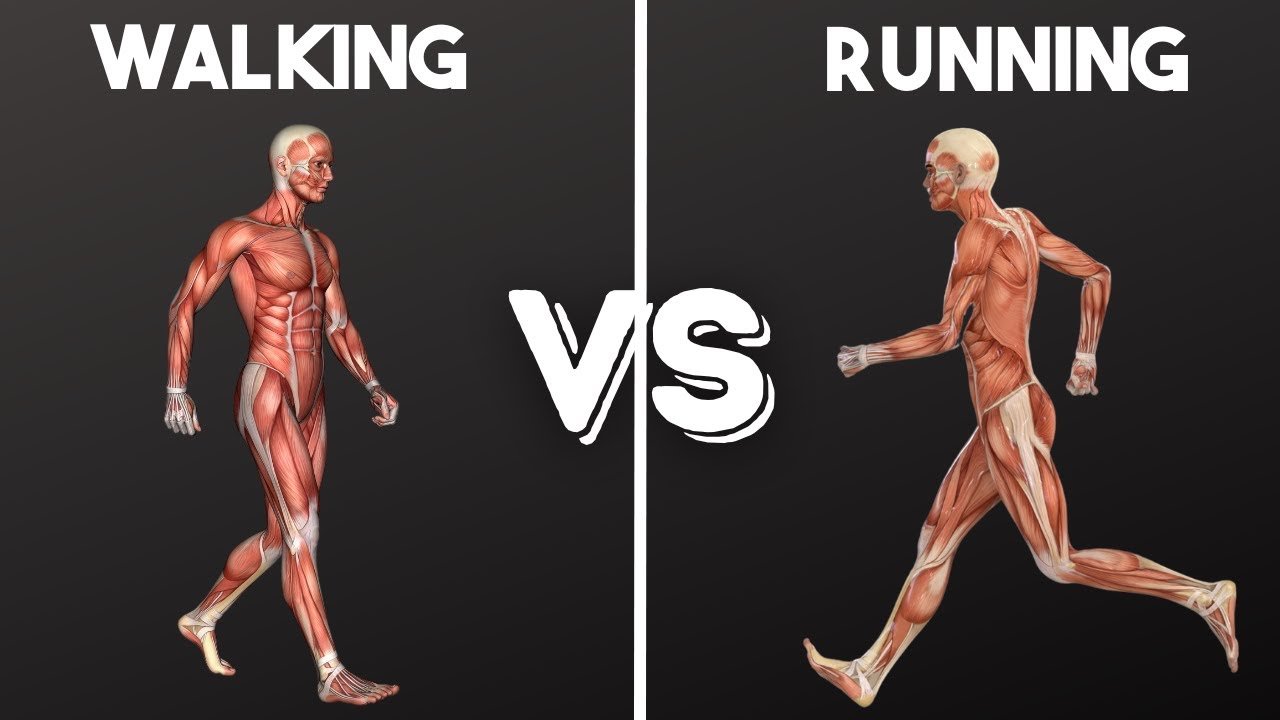
Walking vs Running: Walking and running are excellent forms of exercise for improving cardiovascular health. Walkers think it’s a healthy pastime, and runners always love the intensity of the activity. Walking versus running, however, may be properly analyzed if we focus on weight loss. In addition, there are a Number of elements that determine whether a person should decide to walk or run in order to lose weight. Let’s talk about some fundamentals.
The Research on Walking vs Running
Data from the national runners’ and walkers’ health study was analysed in a 2013 study. It examined changes in weight and levels of activity in almost 50000 individuals who had been walking or running for years.
Nearly all of the participants in the study lost weight as a result of walking. Running, however, was more successful in helping men lose weight overall. And for women who were initially heavier, benefited from running.
However, walking resulted in around half the weight loss of running for both men and women in the biggest weight category. Nothing to scoff at. Another unexpected finding was that for women in every other weight category in the research, walking was almost as beneficial as running.
Running is an obvious option if you want to lose weight quickly, provided you can do so securely. When compared to walking, the heaviest runners in this study lost 90% more weight per unit of energy.
Walking to Reduce Fat
Walking has a few lesser-known benefits for fat loss, even though it may be less stressful:
- Low impact and sustainable: It is ideal for beginners, senior citizens, and injured people since it does not penalize joints. It promotes long term consistency because you can perform it daily without overtraining.
- Fat utilisation: The main fuel source for steady-state rapid walking is fat. Especially when it is done while fasting (morning walks, for example)
- Stress and recovery: Walking has been shown to reduce stress chemicals like cortisol. It can contribute to excess belly fat. It also benefits greatly from active recuperation on rest days.
Running to Reduce Fat

When someone wants to lose weight quickly, running is typically their first choice for cardio, and it makes sense:
- Increased calorie burn: Compared to walking for the same amount of time, running will burn twice or three times as many calories.
- After burn effect (EPOC): Walking doesn’t have the same effect as jogging. After jogging, your body will continue to burn extra calories at a higher rate.
- Time saving: Compact workers can jog for 22 30 minutes to burnt same amount of calories as walking for an hour.
- Cardiovascular benefit: Running is a great way to increase general fitness and burn fat because it strengthens the heart and lungs more quickly.
Important Things to Think About
- Fitness level: Walking may be simpler for beginners at first, and they can progressively increase the effort
- Joint health: Walking is a milder choice if you have joint pain.
- Time restrictions running is perfect for people with hectic schedules because it burns more calories in less time.
- Personal Preference: To NCR consistency in your regimen, the best workout is one that you enjoy.
How to Use Walking vs Running to Burn the Most Fat
- Consistency: The secret is to be consistent. When running or walking, consistency is more important than intensity. Make sure you get at least 150 minutes a week of moderate exercise.
- Use interval training: Alternate between walking and jogging bursts. Or run intervals with short breaks for resting. It has been demonstrated that interval exercise increases fat-burning efficiency.
- Track your progress: To keep getting better, keep track of your time, distance, and calories when exercising outside or on a treadmill.
- Combine with strength training: Running or walking by themselves won’t give you a toned body. Include two to three times a week of strength exercise.
- Make diet the priority: Walking and running won’t make up for a bad diet. Maintain a calorie deficit by eating a healthy, balanced diet.
Choose Your Favourite
One must be persistent in their efforts, even if the goal is to lose weight. It also boils down to personal preference. You might find running enjoyable and energizing, whereas others may have the opposite experience. For a variety of reasons, including joint pain or injury, people prefer to walk. Exercise that you enjoy enough to undertake on a regular basis is the ideal option for fat loss. It is indeed a long-term process.