
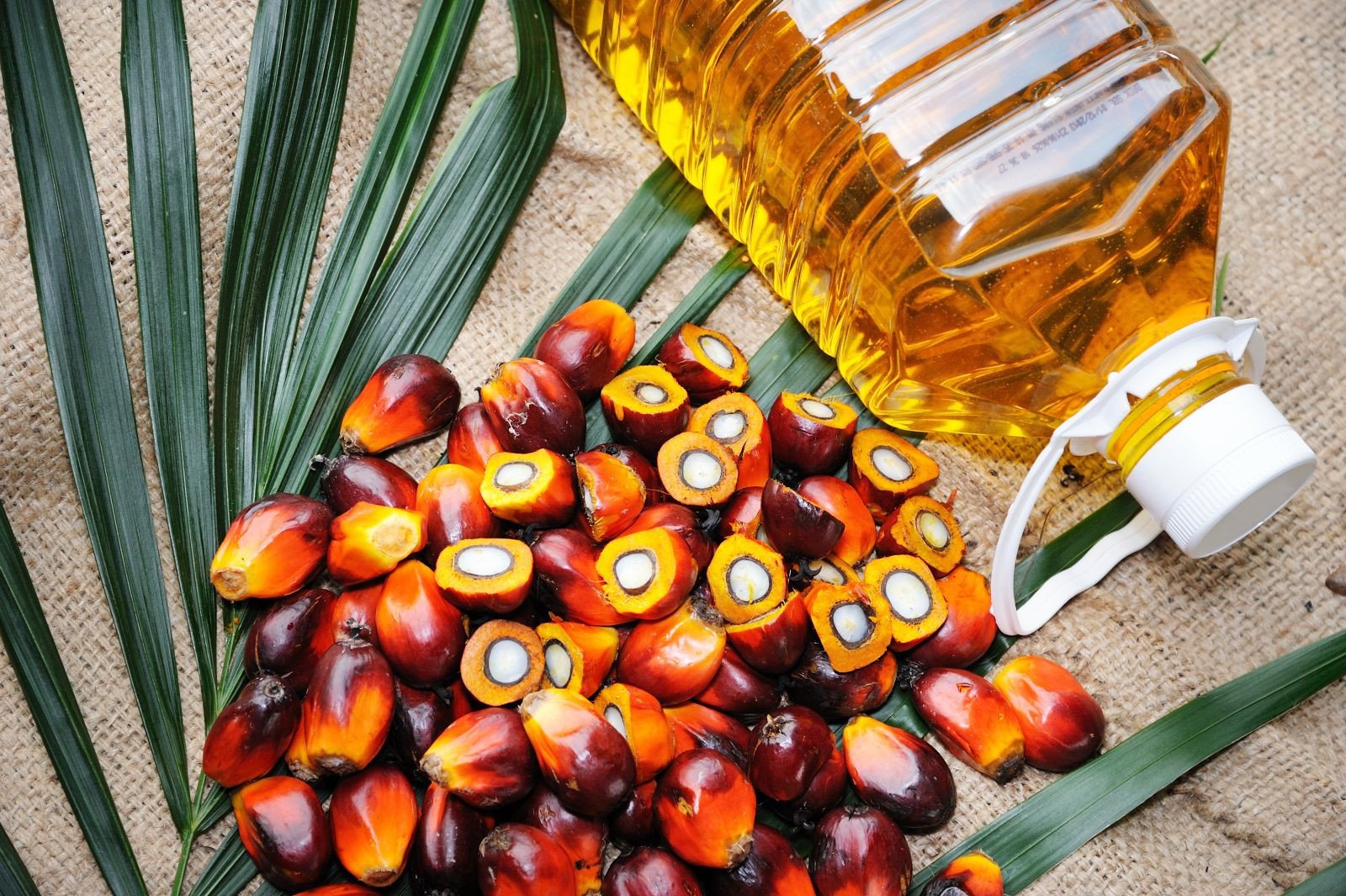
The fruit of the palm tree is used to make palm oil or vegetable oil. Palm trees can yield two types of vegetable oils: edible palm oil and inedible palm kernel oil. Due to its many applications and incredibly low production cost, palm oil has increased rapidly over the last few decades.
Palm oil benefits from extremely efficient agriculture as compared to other vegetable oils. A hectare of palm trees can yield up to 3.3 tons of palm oil. Compared to that, the same amount of land would yield only 0.4 tons of soy.
The most adaptable vegetable oil in the world is thought to be palm oil. It offers a lot of advantageous qualities when compared to other vegetable oils. Compared to other vegetable oils (such as cocoa butter), it has a lower melting point and is a semi-solid at room temperature. It slows down the melting of ice cream when added. Palm oil works well as a foaming agent for detergents and soaps. It can be used as a natural preservative to extend the shelf life of items and is resistant to oxidation. Additionally, because palm oil can tolerate high temperatures, it works well for frying.
Where Does Palm Oil Come From
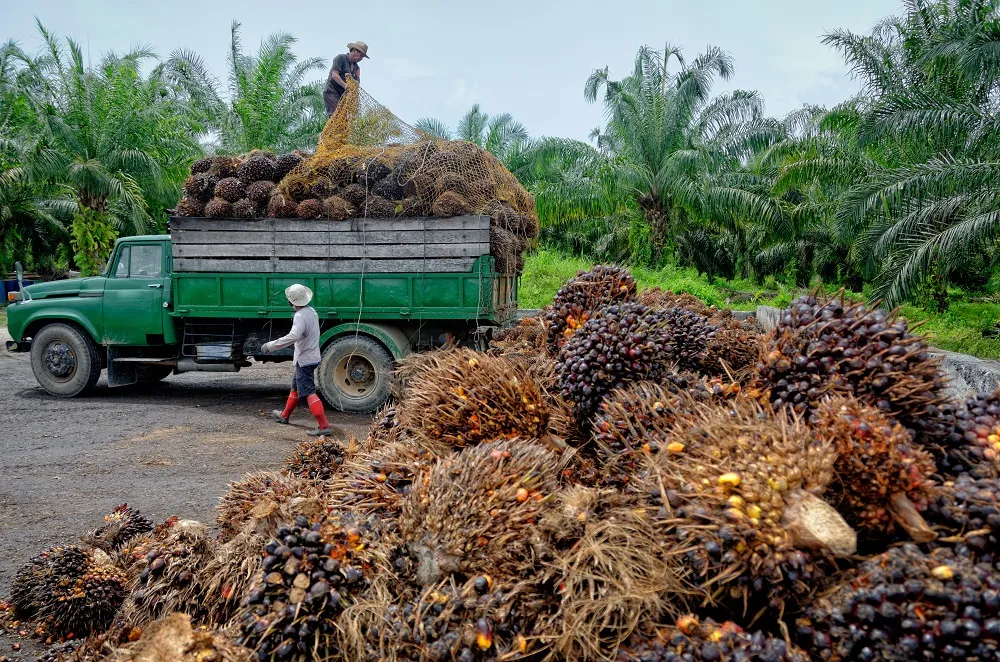
The fruit of the oil palm tree (Elaeis Guineensis) is used to obtain palm oil, an edible vegetable oil. The oil palm was first farmed in western and southwestern Africa. It is now widely produced throughout tropical regions, especially in Southeast Asia. Owing to its distinct fat structure, it has emerged as a crucial component in numerous products across the globe.
The composition of Palm Oil
Because of its natural carotene content, the same pigments that give tomatoes and carrots their vivid colours. Crude palm oil has a characteristic reddish-orange colour. Tocotrienols, a kind of vitamin E, are also present. These naturally occurring substances are a component of the oil’s overall nutritional composition and help maintain its oxidative stability.
Why is Palm Oil Unhealthy?
More than half of all package items in the world today are thought to contain palm oil. The list includes shampoo, baby formula, chocolates, peanut butter cups, and gummy sweets. It might be challenging to identify this frequently used ingredient (and its derivatives) on product labels because it goes by so many distinct names. Vegetable oil, palmate, palmolein, glyceryl stearate, sodium lauryl sulfate, and even hydrated palm glycerides are some names for it.
Overindulging in palm oil might be detrimental to your health. Compared to other vegetable oils like olive oil, canola oil, and avocado oil, palm oil has a higher content of saturated fat despite being rich in antioxidants. Regular consumption of saturated fats can rays college the road levels and increase the risk of heart disease. However, the detrimental impacts on your health or not the primary reason palm oil is unhealthy.

Environmental Impact
The influence of palm oil on the environment is another issue. Even though its implications on health are still up for debate. The palm oil farms that create palm oil are a major cause of deforestation. Indonesia and Malaysia provide the majority of the world’s palm oil supply. It is well known that the palm oil industries and destroys endangered species habitats. It has also been related to increased carbon emissions, displacing indigenous populations, and labour violations.
Does Consuming Palm Oil Have Any Health Benefits?
Red palm oil and “refined, bleached, deodorized” (RBD) palm oil are the primary two varieties of palm oil. The latter is sometimes referred to as White palm oil.
- Antioxidants and micronutrients like carotenoids, which the body needs to make vitamin A, are more concentrated in red palm oil.
- Two forms of Vitamin E are tocopherols and tocotrienols.
- Phospholipids are essential for cell structure in function. Plant sterols can help decrease cholesterol
- Squalene which is good for the skin.
Lower qualities of sterols, Vitamin E, and carotenoids are the outcomes of the refining process used to produce RBD palm oil. As a result, red palm oil has more health advantages than RBD palm oil.

The Final Words
There are some controversies that using palm oil could be harmful to your health. Saturated fats are abundant in palm oil and palm kernel oil. Saturated fats may raise your risk of heart disease and stroke, according to some research. Additionally, there is evidence that palm oil may increase your levels of LDL (bad) cholesterol.
However, not everyone believes that saturated fats are unhealthy. The connection between palm oil and the risk of health problems is not entirely clear. It’s advisable to adhere to recommendations to keep saturated fat consumption to no more than 10% of total calories until further information is available. Limiting process meals like cookies, crackers, and Ramen is especially important.