
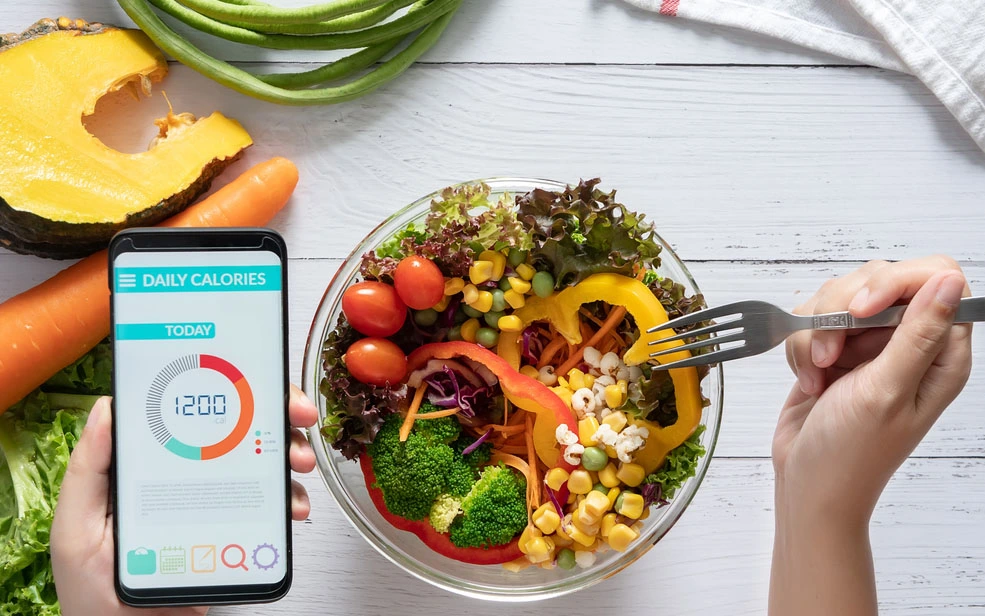
Sugar-Free Meal Plan Importance: It may seem perfectly natural to start your day with a sweetened coffee, eat a waffle for breakfast, drink soda for lunch, and finish your dinner with a delicious dessert. Surprisingly, we typically consume more than 20 teaspoons of added sugar daily without even realizing it. And it is not normal, it is not healthy for anyone.
Overindulgence in sugar can lead to weight gain, mood fluctuations, and long-term health issues like diabetes and heart disease. For this reason, a lot of people are opting for a sugar-free lifestyle. There are many tasty and healthful sugar-free snacks and sweets to enjoy. From famous sugar-free protein bars to Instagram smoothie bowls, you should try a variety of options. This 7-day plan for a diet of no sugar foods is the ideal place to start if you are ready to give it a try. It provides a delicious selection, simple substitutions, and everything needed to live a sugar-free life without feeling deprived.
How a Sugar-Free Meal Plan Works?
Eliminating food items with added sugars and controlling natural sugar intake are key components of a no-sugar diet. Focus on eating full, unprocessed meals that are full of vegetables, proteins, and whole grains rather than drinks, candies, or sugary snacks. Men should consume no more than 9 teaspoons (36 g) of added sugar per day. Women should limit for maximum of 6 teaspoons (25g). By sticking to these guidelines or completely avoiding additional sugars, you can give your body a reset, boost your energy, and improve your general health.
What to eat: A seven-day meal plan for a sugar-free diet
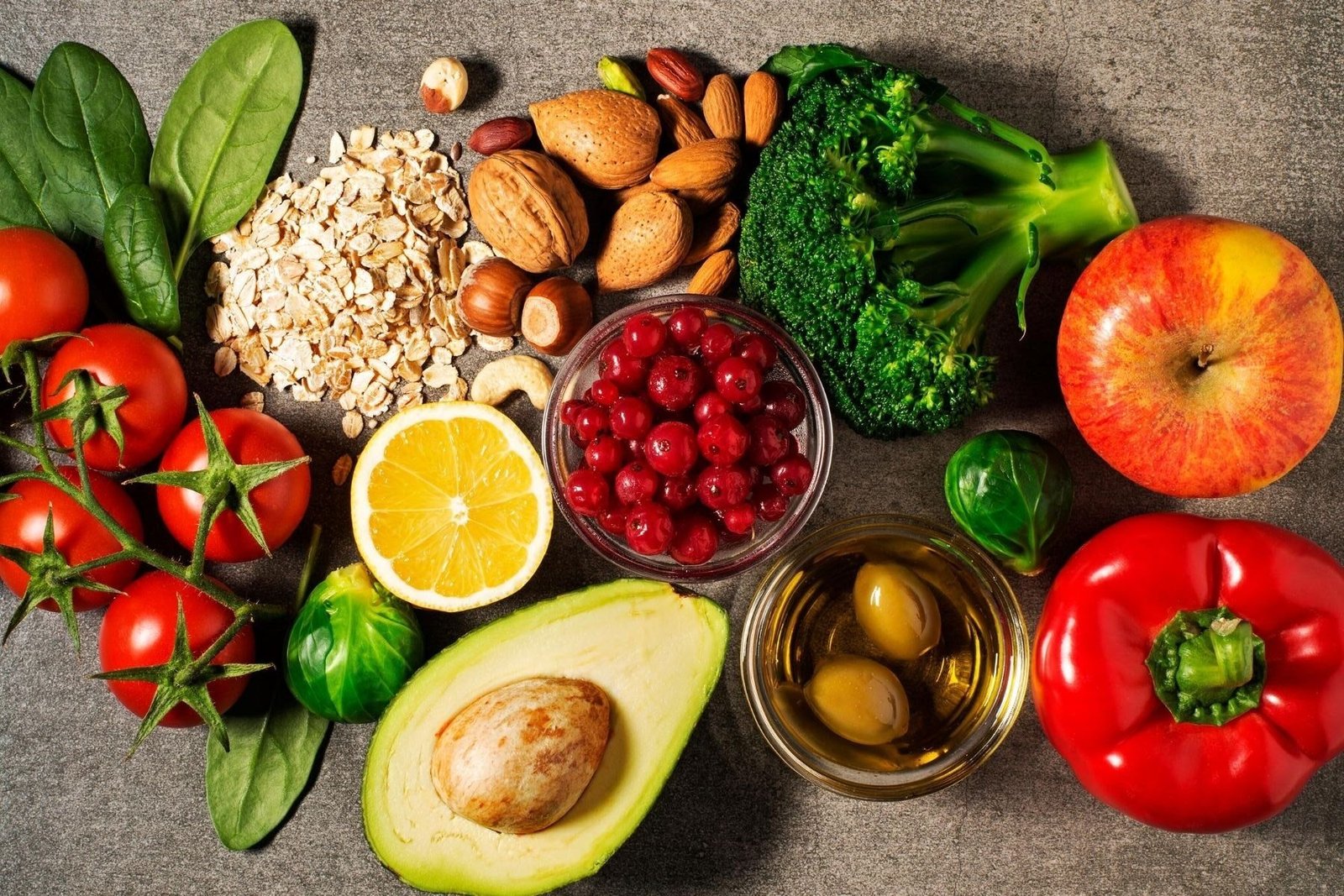
Planning your meals for a week could be beneficial if you are beginning a low-sugar or no-sugar diet. Prioritising a wide variety of fruits and vegetables is essential. This is an example of a 7-day meal plan that emphasizes whole, unprocessed foods. It offers a variety of alternatives with little to no sugar that are in line with healthy requirements.
Day 1:
Breakfast: A small portion of basic Greek Yoghurt, a handful of fresh berries, and scrambled eggs with spinach and tomatoes.
Lunch: Try a grilled chicken breast and a side salad of bell peppers, lettuce, and cucumber seasoned with vinegar and olive oil.
Dinner: Baked salmon with quinoa and steamed vegetables.
Day 2:
Breakfast: Rolled oats, unsweetened almond milk, sliced almonds, cinnamon, and a few fresh apple slices. Keep the portion small
Lunch: Avocado and Turkey lettuce wraps accompanied by celery and carrot sticks.
Dinner: Stir-fried tofu in a lower-sodium soy sauce with a variety of veggies. You can include green peas, bell peppers, and broccoli.
Day 3:
Breakfast: Cottage cheese, chopped almonds, and sliced peaches in moderation.
Lunch: Vegetable and lentil soup
Dinner: Brown rice, roasted Brussels sprouts, and grilled shrimp.
Day 4:
Breakfast: Smoothie made with spinach, unsweetened almond milk, a scoop of protein powder, and a few berries.
Lunch: Quinoa salad with chopped cucumber, chickpeas, and a dressing of lemon and tahini.
Dinner: Mashed cauliflower and baked chicken legs with asparagus.
Day 5:
Breakfast: Whole-grain toast with scrambled eggs, sauteed mushrooms, and avocado slices.
Lunch: Salad of spinach, kale, tomatoes, grilled chicken, and Vinaigrette dressing.
Dinner: Steamed green beans, roasted sweet potatoes, and baked cod.
Day 6:
Breakfast: Chia seeds, a few raspberries, and full-fat plain yogurt.
Lunch: Grilled shrimp and zucchini noodles (zoodles) with pesto sauce.
Dinner: Stir-fried chicken and vegetables with homemade low-sugar sauce.
Day 7:
Breakfast: Sliced Turkey breast encased in avocado slices.
Lunch: Grilled Salmon, carrot and cabbage slaw, and a mild dressing.
Dinner: Baked Tofu served with quinoa and roasted mixed veggies. You can include red onions, bell peppers, and zucchini.
Advantages of following a sugar-free diet
There is proof that reducing the amount of added sugars in our diet can improve our health and ultimately save a significant amount of money on medical expenses. Among the advantages are the following:
- Lesser chance of obesity and helps control weight
- Better cardiac health
- Control of blood sugar and lower risk of type two diabetes.
- Less chance of developing liver disease
- May reduce the likelihood of depression
- Reduce some people’s acne severity
- Improve attentiveness and more steady and constant energy levels