
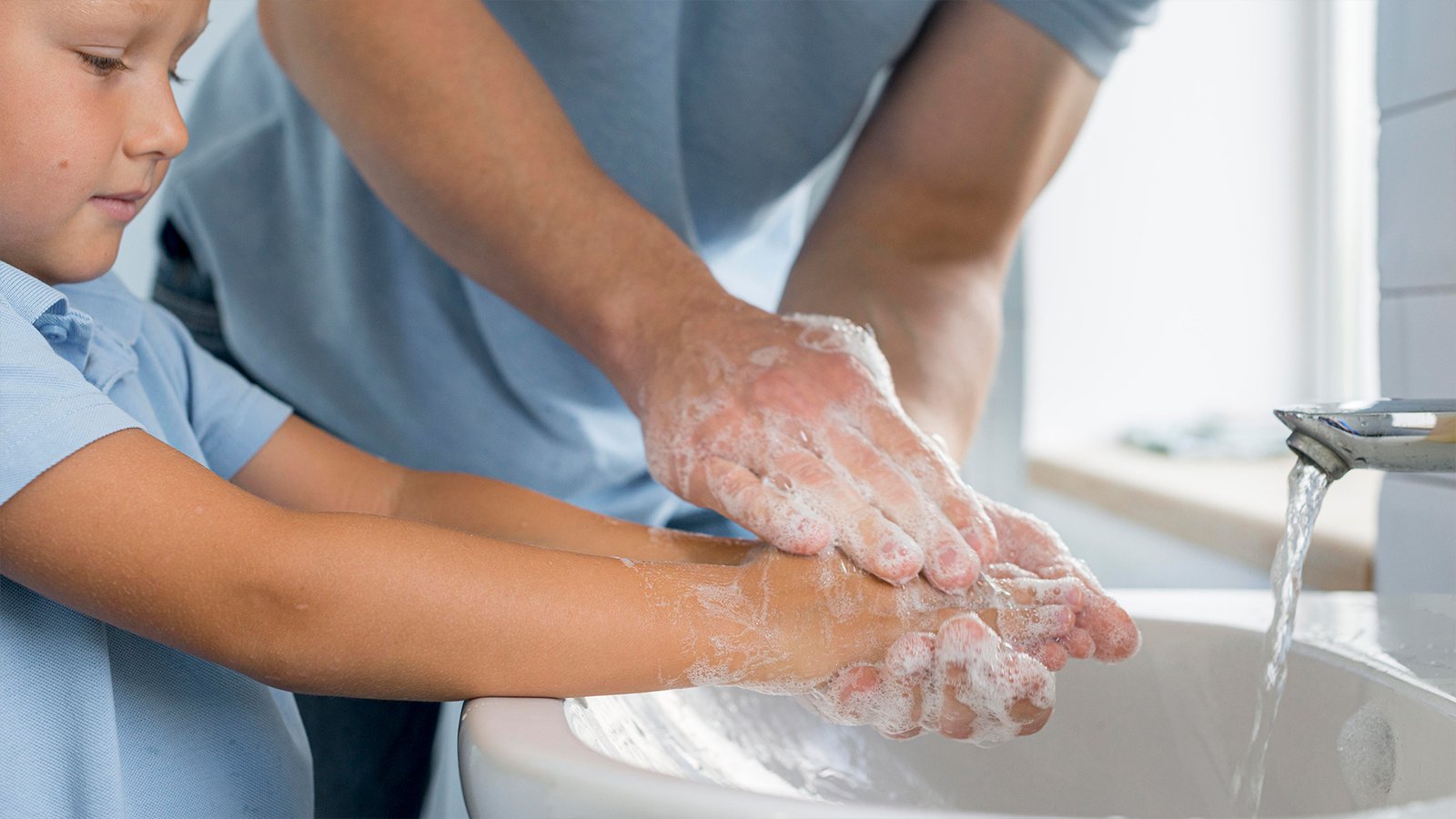
Maintaining personal Hygiene Habits is crucial for defense against bacteria and microorganisms. Individuals who regularly wash their hands and take a daily shower are preventing a lot of illnesses. Taking good care of our hands, mouth, feet, and genitalia is crucial. These are the areas of the body that require more care since they come into contact with microorganisms more frequently.
When you cough or sneeze, use something instead of just coughing in the air. Clean anything you have touched and dispose off used tissues. These modest deeds raise everyone’s standard of living. We are caring for others when we look after ourselves. It’s crucial to follow basic hygiene guidelines for both your pet and the areas of your home where it resides.
Recognising the spread of infectious diseases
Viruses, fungi, parasites, or bacteria can cause infectious illnesses. There are several ways they might spread from one person to another:
- Direct contact: Germs can be spread via physical contact with an infected individual. Direct contact like a hug or handshake.
- Indirect contact: The transmission of infection by contact with infected surfaces such as handrails, doorknobs, or shared items.
- Airborne transmission: Certain bacteria, particularly in confined settings, spread through droplets when someone coughs, sneezes, or speaks.
- Contamination of food and water: Digesting contaminated food or water can cause germs to enter the body.
Knowing these pathways emphasizes the value of mindful practices in halting the spread of pathogens.
Health is correlated with personal hygiene habits
A person can contract a number of illnesses and infections if they neglect their personal hygiene. For example, deterioration and foul breath might result from not cleaning our teeth. Cardiovascular conditions as well. The bloodstream is one way that bacteria from gum plaque might enter the body. Such germs raise our risk of having a heart attack once they get to our heart. Common cold, chicken pox, meningitis, gastroenteritis, and hepatitis A can all be brought on by not washing our hands after using the washroom.
Hygiene habits that prevent illness
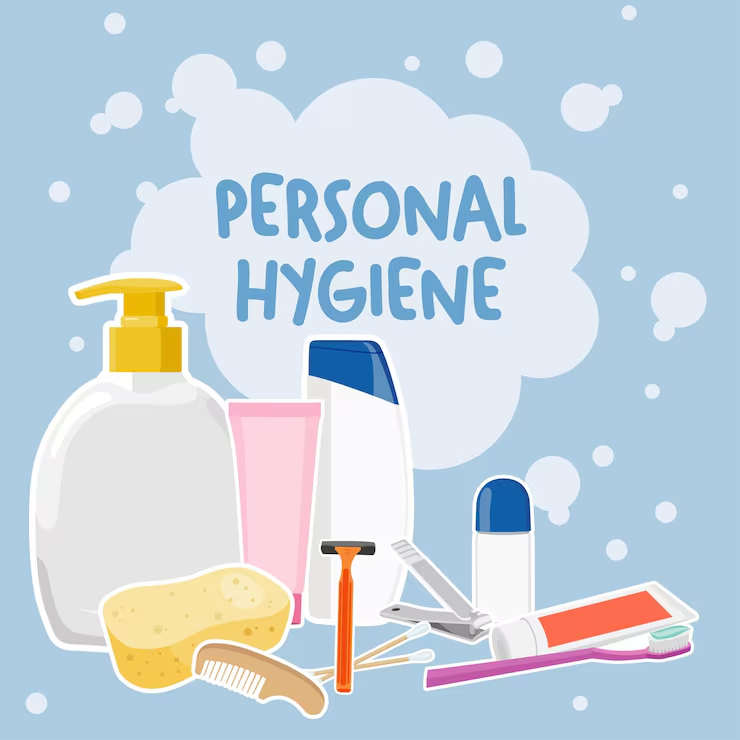
The following advice will help you avoid getting sick by practicing proper personal hygiene:
- Regularly wash your hands and body
After using the washroom, you should undoubtedly wash your hands, but don’t stop there. Hand washing should be done often during the day, particularly before meals. The same is true for your body
In order to stop the spread of pathogens, you should take a bath at least once every day.
- Brush and floss teeth at least twice a day
The general rule is that we should spend 2 minutes brushing our teeth at least twice a day. However, remember to floss. Daily brushing and flossing can help avoid gum and tooth problems, which can cause discomfort later on
- If you are ill, show some consideration
Be careful not to infect others if you do get a virus, such as the flu. Stay home from work or school if you are sick. Avoid sharing glasses and cutlery with other people. Additionally, when you cough or sneeze, cover your mouth with a tissue, rather than your hands or clothes.
- Regularly clipping your toenails and fingernails
Regular nail trims are necessary to keep dirt from building up under finger nails and toenails. In this manner, you can shield your feet’s skin from diseases and illnesses.
- Refusing to share personal hygiene products
Personal hygiene products should never be shared since they could be contaminated. Makeup, lipstick, brushes, sponges, tweezers, electric shavers, deodorant balls or bars, etc. Having personal hygiene products of your own is preferable.
Hand sanitation: An essential component of prevention
The most frequent route for germs to spread between people is through hands. Good hand hygiene entails:
- Regular hand washing: Wash your hands for at least 20 seconds with soap and water, especially before meals, after using the washroom, and after coming into contact with public surfaces
- Using hand sanitizer: A useful substitute is hand sanitizer with an alcohol base. It is perfect for the good scenarios because it helps kill most bacteria quickly.
- No frequent face touching: Stay away from touching your face because the mouth, nose, and eyes are easy entry points for germs. The risk of infection is decreased by being careful not to touch your face.
In conclusion
Infectious disease prevention doesn’t require complex equipment for medications. When followed regularly, simple habits can significantly lower risk. Breaking the chain of infection involves a Healthy lifestyle, safe food and water habits, respiratory and environmental cleanliness. You safeguard your family, the community at large, and yourself by implementing these precautions in your daily life. Maintenance of a safer and healthier environment depends on awareness and collective efforts.