
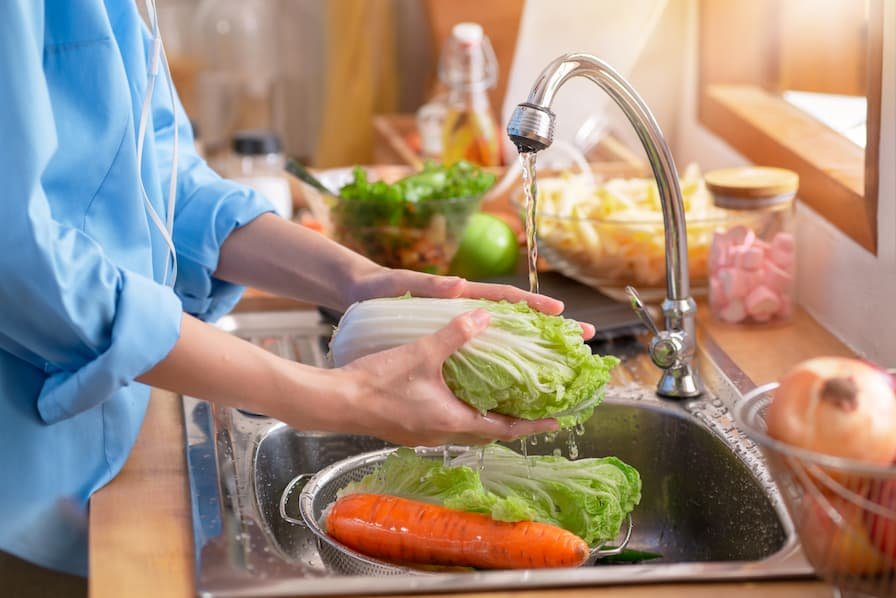
A clean kitchen is only one aspect of food hygiene. It entails using safe Procedures for handling, preparing, storing, and distributing food in order to stop the spread of dangerous microorganisms. Food contamination from disregarding these procedures can cause infections, gastrointestinal issues, and food poisoning.
Bacteria from improperly handled, cooked, stored, or prepared foods are often the source of food poisoning. Food tainted with microorganisms that cause food poisoning may taste, smell, and seem normal. Food bacteria can grow to hazardous proportions if improperly stored.
Understanding the value of proper food hygiene
The fact that food hygiene helps prevent food dangers from spreading across the food supply chain or in commercial or home kitchens serves as more evidence of how important it is. Poor food hygiene procedures can help disseminate substances that cause food contamination if they are not monitored. Foodborne infections and illnesses, such as food poisoning or other gastrointestinal disorders, can result from consuming such foods.
Implementing excellent food hygiene procedures in your kitchens or food manufacturing facility, you can stop these foodborne diseases and any outbreaks.
The technique of correctly preparing for manufacturing food by adhering to the best possible food washing, cooking, preserving, storing, and distributing procedures in order to prevent food contamination is known as food hygiene.
Selection of food
Look closely for indications of bacterial contamination in any canned food, especially those made at home. Check for cracked jars, loose lids, bulging cans or lids, and a milky liquid (which should be clear usually) around the veggies. Products that exhibit any of the symptoms should not be used in cans or jars. Don’t even taste them. To ensure that no one else eats them, throw them away in a heavy paper bag after wrapping them in plastic.
- Purchase all fish and meat from reliable vendors.
- Raw (unpasteurized) milk and raw milk cheese should not be used.
- Taste or smell the food or drink if your child refuses to eat it. You might discovered that it is spoiled and should not be consumed.
- Avoid eating undercooked or raw meat.
Keeping things clean
- When preparing meat and eggs, take extra caution. Before proceeding with your preparation, wash your hands and any surfaces that have come into contact with raw meat and fish with hot sudsy water.
- Before cooking, after using the restroom, or after changing your child’s diaper, always wash your hands.
- Wear gloves when preparing meals if you have open wounds or sores on your hands.
- Avoid cooking when you are ill, especially if you’re experiencing diarrhoea, cramping in your abdomen, nausea, or vomiting.
Making and serving food
- Cheese, cooked and cured meats, prepared dishes (especially starchy ones), and anything containing mayonnaise should not be left at room temperature for longer than two hours.
- Avoid pausing the cooking of meat or fish in order to finish it later.
- Food prepared one day should not be frozen or refrigerated the following day. Hot food should always be placed directly in the refrigerator. Don’t avoid waiting for it to cool.
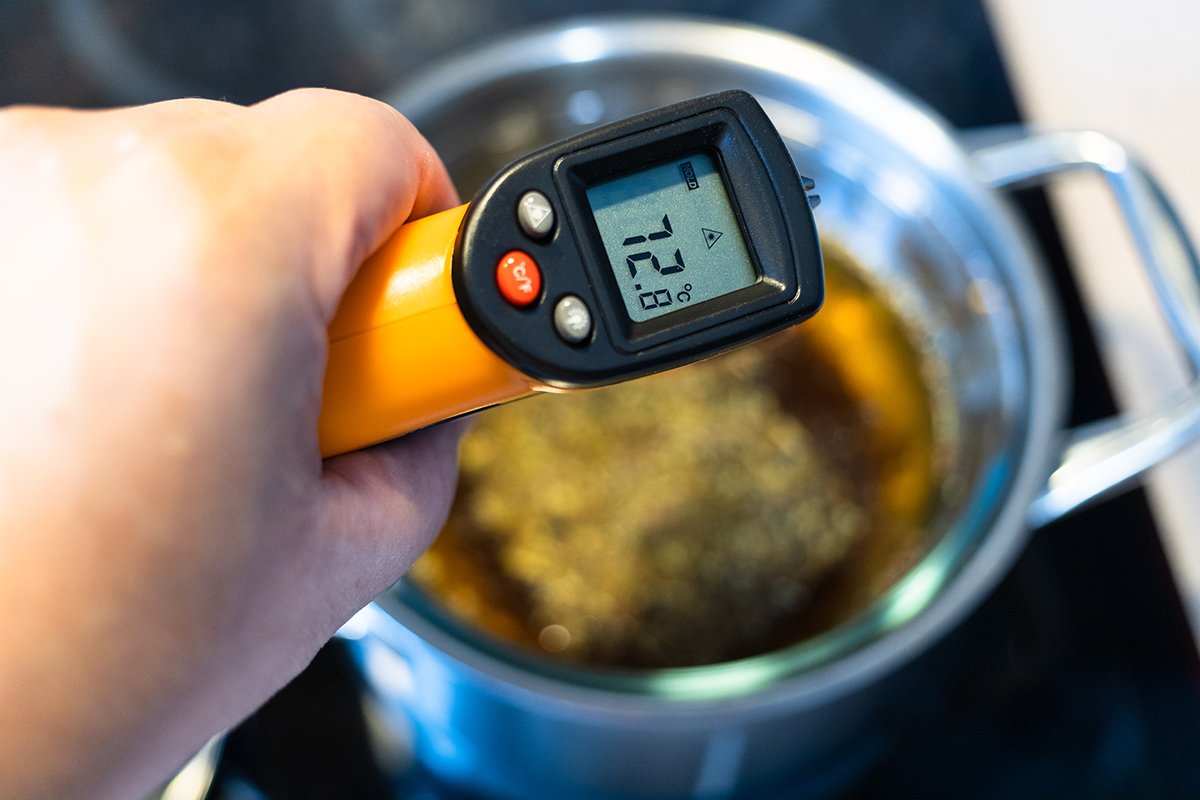
- Verify that every dish is cooked all the way through. To determine whether large meats, such as roast or turkeys, are done, use a meat thermometer and cut into other sections of the flesh.
- Don’t forget to cover and reheat food properly.
Foods more prone to contamination
Certain foods are more likely to have dangerous bacteria in them, such as:
- Raw meat, old fish, or undercooked eggs
- Raw or undercooked sprouts
- Unwashed produce and fruits
- Fruit cuts
- Unpasteurized soft cheese, juice, cider, or milk
- Cheap quality flour is used to make raw dough or raw batter.
Important information regarding food safety
- Food-borne sickness or food poisoning can be caused by germs in food.
- Foodborne illness symptoms, such as diarrhoea, nausea, and upset stomach, can appear hours or days later.
- Foodborne diseases can be avoided by taking simple precautions like washing your hands, preparing food to the proper temperature, and avoiding high-risk foods.
In summary
Food contamination can be prevented by being aware of the essential food hygiene procedures. It includes food selection, washing, and storage. Additionally, you can reduce your chance of getting any Foodborne illness or other health issues.