
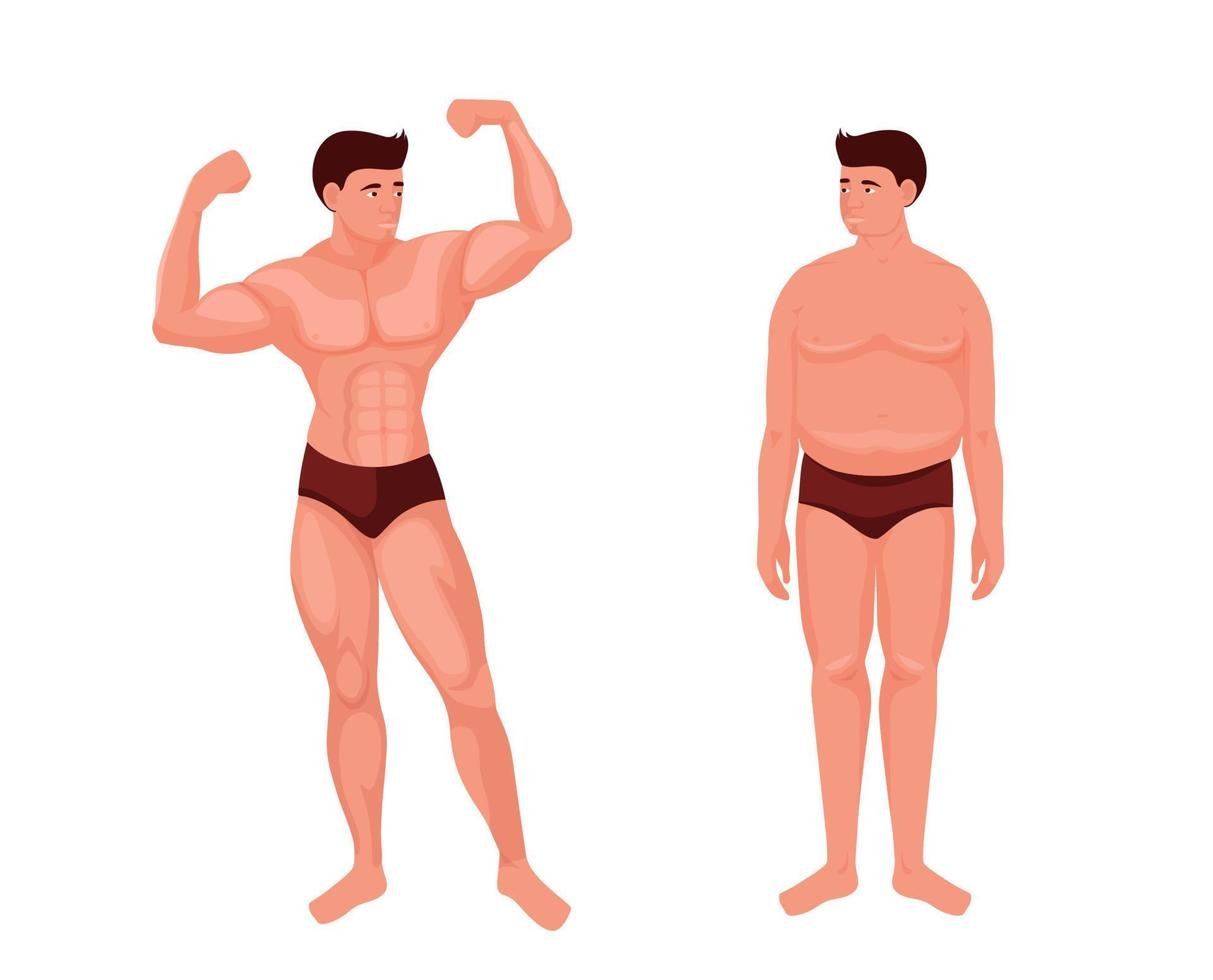
If you’re a human, you’ve undoubtedly already given fat versus muscle loss a lot of thought, possibly because you want to alter your physical appearance. Or perhaps it’s just that we all live in a society where messages about fitness, diets, and body types are prevalent.
As you think about your own body and health, it can be useful to know certain facts about muscle and fat. Facts about how much a pound of muscle weighs compared to a pound of fat. Spoiler alert: They weigh the same
What is Fat Loss?
The lowering of adipose tissue in the body is referred to as “fat loss.” When the body burns more calories than it takes in, or when there’s a calorie deficit, this process takes place. When necessary, the body uses its fat reserves as fuel to lower the amount of body fat. For those who want to improve their physical appearance, lose weight, or improve their health, losing fat is frequently the main objective.
What is Muscle Loss?
Conversely, muscle loss refers to the decrease in the body’s lean muscle mass. Severe calorie restriction, poor diet, and inactivity are some of the causes of this. Muscle loss is frequently harmful to general health and fitness, in contrast to fat reduction. Strength, effective movement, and a balanced metabolism all depend on maintaining muscle mass.
Advice for Losing Fat and Gaining Muscle
The proper combination of exercise, diet, and recuperation is essential if your objective is to simultaneously grow muscle and reduce fat. It is a process known as body recomposition. Here’s a scientifically supported method for making it happen.
Exercise Suggestions:
- Progressive Resistance Training: Maintaining muscular growth requires progressive overload. It involves progressively increasing weight, repetitions, or sets.
- Compound Movements: Exercises that work several muscular groups simultaneously include squats, deadlifts, rows, and bench presses. These motions increase growth and cause stronger hormonal reactions.
- Training Frequency: You get better results if you work each muscle group more than once a week. Muscle protein synthesis is maximised at this workout frequency.
- Cardiovascular Exercise: To maximise fat loss while maintaining muscular mass, combine moderate intensity steady-state cardio with high intensity interval training (HIIT).
Nutritional Techniques
- Protein Intake: To boost muscle protein synthesis during a fat reduction phase, research suggests taking 1.6-2.2g of protein per kilogram of body weight every day. Legumes, dairy, eggs, lean meats, and protein drinks can be included.
- Energy balance: Eat 10-20% fewer calories than you burn in order to shed fat without losing muscle. Since it slows your metabolism and breaks down muscle, extreme dieting might backfire.
- Nutrient Timing: Eating protein before and after exercise can improve the synthesis and recovery of muscle proteins. The total daily intake is what counts most, so don’t overthink it.
- Hydration: Although it’s often disregarded, water is essential. Performance, recuperation, and muscle protein synthesis can all be negatively impacted by dehydration. Drink water all day long, not just at the gym.
Why is it crucial to maintain lean mass when on a diet?

For several reasons, maintaining lean mass is crucial when attempting to reduce weight.
Metabolic Rate: Muscle tissue has a higher metabolic rate than fat tissue; it burns more calories at rest. Losing muscle lowers your resting metabolic rate, making it harder to maintain weight loss over time.
Physical performance: Maintaining muscle mass is essential for both strength and physical performance. Whether you’re an athlete or just trying to stay active, losing muscle can make it harder to carry out everyday duties and engage in physical activities.
Body composition: A more toned and attractive physique results from a higher muscle-to-fat ratio. Even if the scale indicates a lower number, losing muscle may make one appear softer.
Health Benefits: Increased insulin sensitivity, better blood sugar control, and a lower risk of chronic illnesses are just a few of the health advantages linked to lean muscle mass.
The Bottom Line on Fat Loss vs Muscle Loss
Make sure you’re developing a robust, healthy body by including strength exercise in your program and consuming adequate protein. You can help your body perform and feel its best for years to come. By taking the advice provided in this writing, you can definitely see visible changes in yourself.