

A detox diet is a short-term dietary regimen that promises to improve General Health, increase metabolism, and purify your body by eliminating toxins. These diets frequently include eating only particular whole foods, drinking juices, or fasting.
The problem is that your body already cleanses itself. To filter out dangerous compounds, your digestive system, liver, and kidneys work around the clock. Healthy eating can undoubtedly enhance well-being, but most detox diets don’t truly remove toxins as advertised. Nevertheless, there can be significant advantages to concentrating on whole, unprocessed meals and cutting down excess sugar, alcohol, and refined carbohydrates.
The Claims of Popular Detox Diets
Drinking lemon water or fasting on green smoothies are two examples of detox diets. Some claim they will clean your liver, while others claim they can boost your energy or help in rapid weight loss.
Some versions just allow you to eat raw veggies, while others forbid you from eating any solid food. They sound intriguing, particularly if you are feeling bloated or exhausted. However, we must consider these claims in the context of Scientific findings.
Advantages of a Detox Diet
Although the notion of “flushing toxins” is deceptive, there are certain advantages to a Detox Diet.
- Promote whole food consumption: Lean proteins, fruits, and vegetables all naturally help in digestion and General Health.
- May enhance digestion: We have found that cutting out processed foods and boosting fibre will help maintain gut health.
- Can reduce floating: Reducing sugar and sodium intake can help reduce water retention.
- Boost Hydration: Drinking extra water is a key component of most detox diets. It helps it digestion and energy.
- Resets and healthy eating habits: you can move away from processed meals and desires with the help of a brief Detox.
Foods for a Detox Diet
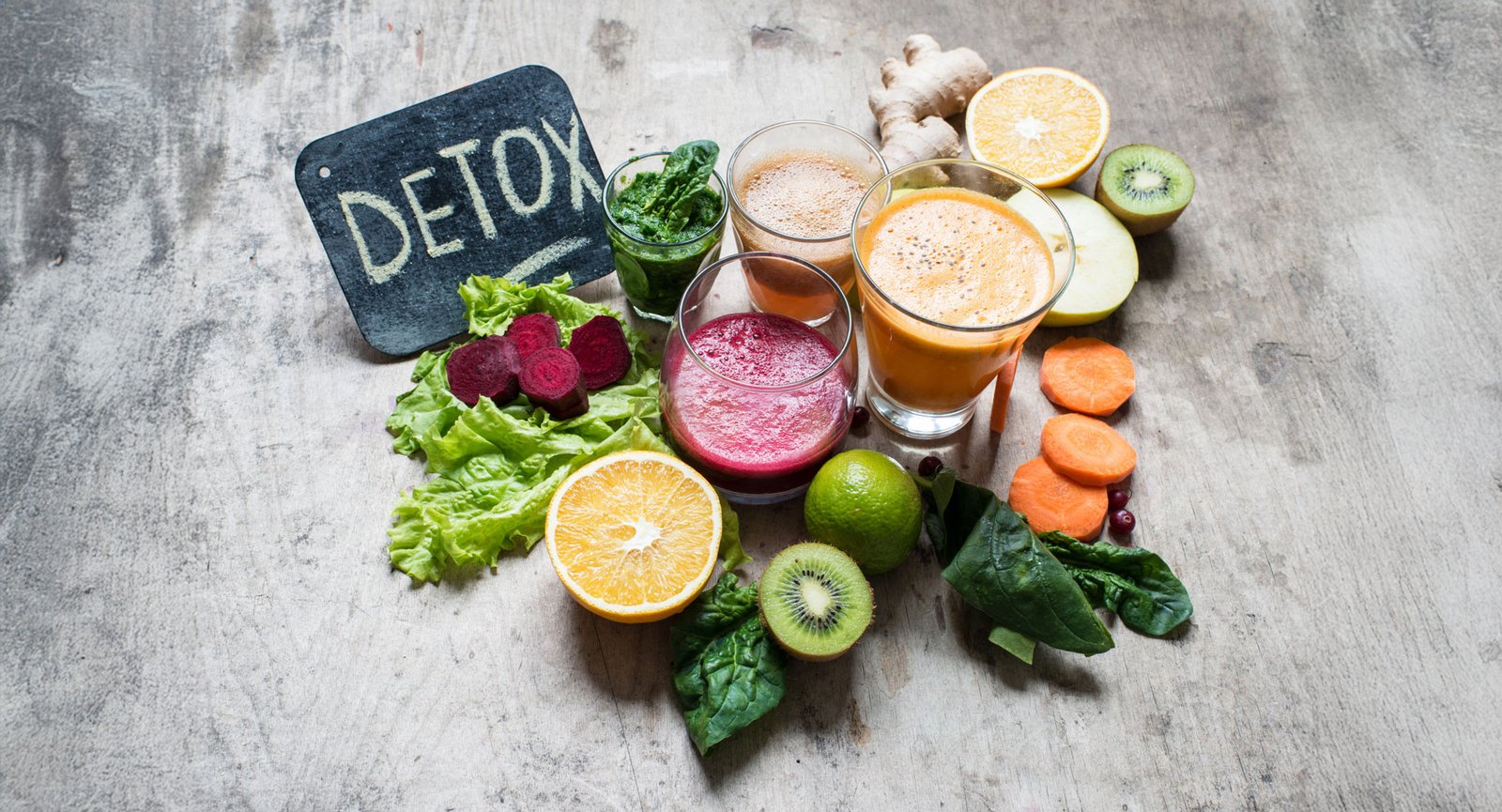
The kind of detox diet you are on will determine what you can eat and drink. You abstain from all solid foods during a juice cleanse. Fresh fruit or vegetable juice makes up your meals and snacks. A raw food diet’s menu consists solely of uncooked foods such as fruits, vegetables, nuts, and seeds. A fasting regimen prohibits eating for a predetermined amount of time.
However, on a detox diet, these are the kinds of beverages that are generally permitted and prohibited.
Items that are permitted on a detox diet
- Vegetables
- fruits
- herbal tea
- fresh juice
Food to stay away from during Detox
- Refined sugar
- synthetic sweeteners
- caffeinated beverages
- alcohol
- Meat
- eggs
- dairy
- gluten
Myths concerning Detoxification
Despite the popularity of Detox diets, there are a few myths that must be busted. The following are a few of the most prevalent myths:
- Detox diets are ineffective for long-term weight management, but they may result in short-term weight loss due to water loss
- Not every Detox diet is safe. Not every Detox diet is safe. Long-term extreme fasting for juice cleanses might result in nutrient shortages.
- All toxins are removed by detoxing. Although detox diets may benefit the body, they are unable to get rid of all toxins. When given the right nourishment and care, the liver and kidneys automatically complete this.
Best advice
Stay away from excessive amounts of alcohol, sugar, coffee, and fatty foods.
Consume some fresh foods as recommended by many Detox diets.
Drink water and sugar-free beverages to stay hydrated.
If you want to lose weight, think about cutting back on the amounts, kinds, and frequency of your meals and beverages. Don’t forget to exercise every day.
In conclusion
A detox diet can be alluring, particularly if you’re trying to start over. In actuality, though, if your body is operating regularly, it doesn’t require assistance in eliminating pollutants. Short-term strategies may make some individuals feel better, but the major claims are not supported by science.
More beneficial to your health than any detox are a balanced diet, adequate hydration, and adequate sleep. Restrictive eating is not a necessary condition for well-being. It’s always best to consult a medical professional if you have any questions or concerns about underlying issues.