
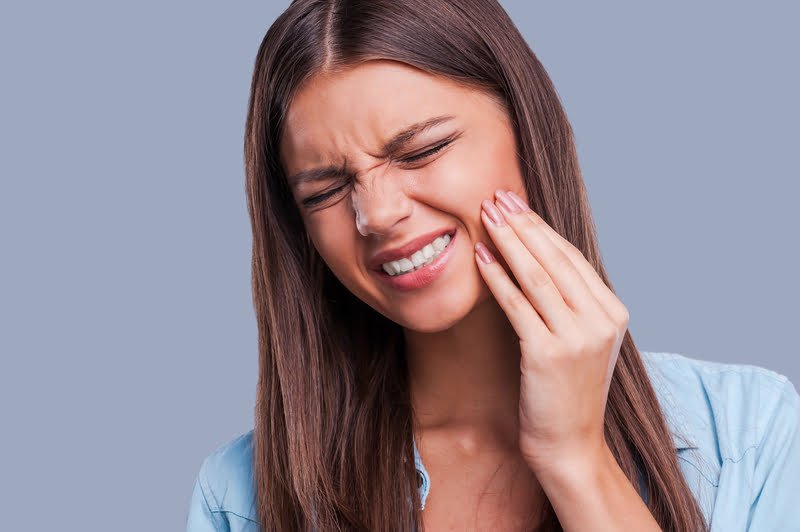
Since the nerves in the jaw and even the skull are closely related, a toothache can cause agonising agony. A variety of gum and tooth issues, from mild irritations to disorders requiring immediate medical attention, can cause tooth discomfort. Selecting the appropriate at-home remedy and determining whether medical intervention is required or can be made easier by understanding the underlying problem. This article will discuss how seriously you need to take things. Now let’s get started.
A toothache: What is it?
Pain in or around your tooth is referred to as a toothache. A transient gum irritation that you can treat at home can cause minor toothaches. Cavities, infections, and other dental issues that won’t go away on their own cause more severe toothaches. You will require professional dental care if your toothache is too bad.
You have a dental emergency if you have excruciating tooth pain, fever, and chills. Go to the closest emergency room or give a dentist a call. Although it is uncommon, an infection in your mouth can spread to your brain and circulation, among other parts of your body.
Is a toothache a sign of a serious dental issue?
A more serious dental condition may occasionally be indicated by a toothache. It is frequently caused by small problems like transient sensitivity or food being stuck between teeth. The associated symptoms make a difference. A deeper issue, such as gum disease, tooth decay that has reached the pulp, or even at developing infection, may be indicated if accompanied by any of the following:
- Gum, jaw, or facial swelling: Swelling frequently indicates an abscess on infection, which can progress if treatment is not received.
- Gum disease: It can damage the bone and tissues supporting the teeth. It may be indicated by red, painful, or bleeding gums.
- Bad breath or unpleasant taste: Bacterial accumulation or pus from an abscess may be the cause of persistent bad breath.
- Fever or overall illness: This indicates that the body is battling an infection that might be spreading outside of the afflicted tooth.
- Difficulty swallowing or opening the mouth: Severe swelling or infections can cause problems. It needs to be treated very carefully.
- Nerve damage: damage to the nerve inside the tooth may be the cause of pain that gets worse at night or persists after eating or drinking.
If these symptoms are ignored, the condition mein get works and cause tooth loss or Infection to spread to other parts of the body.
How to treat toothaches at home
Try these efficient at-home toothache remedies:
Rinse with warm salt water
In addition to cleaning the afflicted area and reducing inflammation, this can remove food particles that may be irritating the spaces between teeth. Additionally, it makes the environment less favourable for germs.
The cold compress
This helps relieve the pain, reduce swelling, and numb the area, especially after tooth damage or trauma.
Clove oil
Eugenol, a Natural anaesthetic and antibacterial agent, is found in clove oil.
Tea bags
Because black tea contains natural tannins, applying a cooled bag to the affected region can help. It fights microorganisms and lessens oedema.
Available over-the-counter painkillers
Toothache pain might be moment really relieve that over the counter medications like medications like Acetaminophen or ibuprofen.
Sleep with an elevated head
Lying flat might exacerbate throbbing pain by increasing blood flow to the affected area. Using an additional pillow to keep your head raised can help relieve pressure and discomfort at night.
When Is the Right Time to Visit a Dentist?
Remember that although these treatments can effectively reduce pain and inflammation, they do not address the underlying reasons for your symptoms. Make sure to call a dentist if you think you may have a fractured tooth, a cavity, an infection, or another dental issue. Visit an emergency department for treatment if you have a fever, facial swelling, or persistent pain and you don’t have access to a dentist. Although seeing a dentist might be uncomfortable, they are professionals at relieving pain and toothaches. They have your back when it comes to your dental health because they are doctors.