

Burnout is a condition of extreme and protracted stress induced physical, mental, and emotional tiredness. It happens when you are emotionally exhausted, overburdened, and unable to keep up with demands. You start to lose the desire and drive that first motivated you to take on a certain task as the stress persists.
Burnout drains your energy and lowers productivity, making you feel more and more powerless, despondent, cynical, and resentful. You can eventually feel as though you have nothing left to offer.
Every aspect of your life is negatively impacted by burnout, including your social life, career, and home. Long-term physical changes brought on by burnout might also increase your susceptibility to diseases like the flu and colds. It’s critical to address burnout immediately due to its numerous repercussions.
Physical signs and symptoms of Burnout
- Feeling exhausted and depleted most of the time.
- Reduced immunity and recurrent infections
- Frequent muscular aches or headaches.
- Changed eating or sleeping patterns.
Emotional signs and symptoms of Burnout
- Include self-doubt and a sense of failure
- Feeling defeated, imprisoned, and powerless
- Detachment and sense of isolation
- Diminished motivation, a more pessimistic and cynical perspective
- Sense of success and contentment
Behaviour signs and symptoms of Burnout
- Include retreating from obligations
- Separating oneself from others
- Delaying tasks and putting them off
- Using drink, drugs, or food as a coping mechanism
- venting annoyance on other people
- Skipping work or arriving late and departing early
Causes of Burnout
The following aspects of one’s life and career may lead to Burnout:
- Overwhelming workload
- Unfair treatment at work
- Confusing duties at work
- The manager’s lack of support or communication
- Extreme pressure to meet deadlines
- Too much work and insufficient downtime
- A sense that life or work is beyond your control.
- Feeling unappreciated or unrewarded
- Work or obligations that seem excessively difficult.
- Routine or Dull labour, or hectic or stressful employment
- Taking on too much without seeking assistance.
- Insufficient sleep
- No meaningful or encouraging relationships
- Characteristics like a demand for control, pessimism, and perfectionism
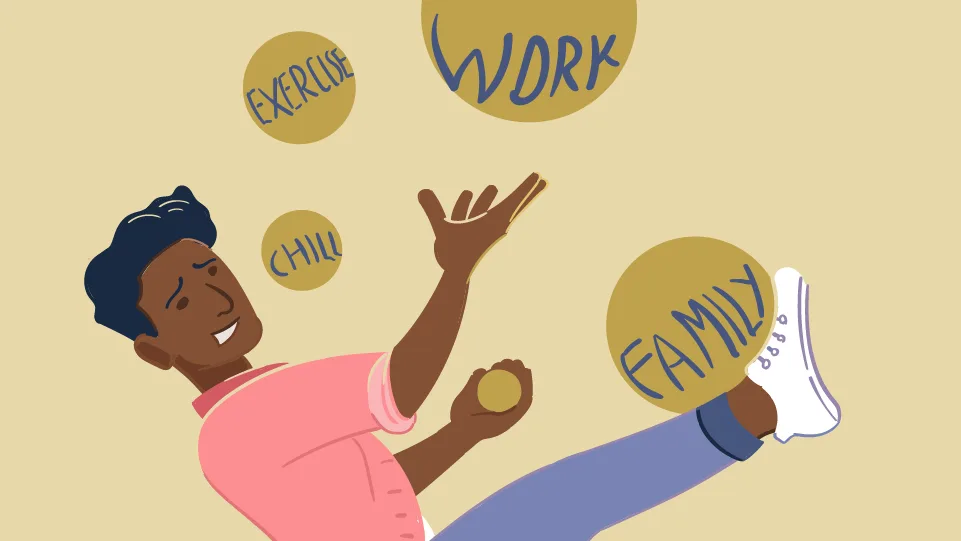
Depression vs. Burnout
Some mental health problems, like depression, share symptoms with burnout. Loss of interest in things, sadness, physical and mental symptoms, and suicidal thoughts are other signs of depression. So, how can you distinguish between depression and burnout?
Where and when you feel symptoms are the main distinctions. While depression typically affects every aspect of your life, burnout symptoms are typically concentrated on your work or the particular problem you are facing.
A mental health expert can assist you if this is how you are feeling. Asking for assistance is crucial. Depression may be more likely to occur in those who are suffering from burnout.
Techniques for overcoming burnout
- Make self-care a priority
Make self-care an essential component of your daily schedule. Make time for mental and physical rejuvenation activities like working out, practicing mindfulness, taking up a hobby, or spending time with loved ones.
- Establish limits
In both your personal and professional life, learn to set limits and say no. Your health should be your priority, and it’s acceptable to ask for help or assign work as needed.
- Use stress reduction strategies
Include stress-reduction strategies in your everyday activities. Journaling, Yoga, meditation, and deep breathing techniques out of few examples of this. Try a variety of options to see what suits you the best
- Take a break
You can relax and rejuvenate when you take a break from work or other stressful situations. Take advantage of this opportunity to do enjoyable activities that will help you detach from your everyday obligations.
- Be aware of your needs
Even in difficult circumstances, it’s important to prioritise your needs. For example, it could seem impossible to quit your work until you find other possibilities if you have dependents or financial obligations. Responsibilities like debts and children. But you may still make a big difference by concentrating on your needs. Your well-being depends on striking a balance between time spent alone and with loved ones.
Takeaways
When you’re overburdened, emotionally spent, and unable to meet the never ending demands of life, you experience burnout. It depletes your energy and lowers your output. In order to properly manage Burnout you must first acknowledge that you have a problem and then take proactive measures to address it, such as getting counselling, asking friends and family for support, and improving your own well-being.