
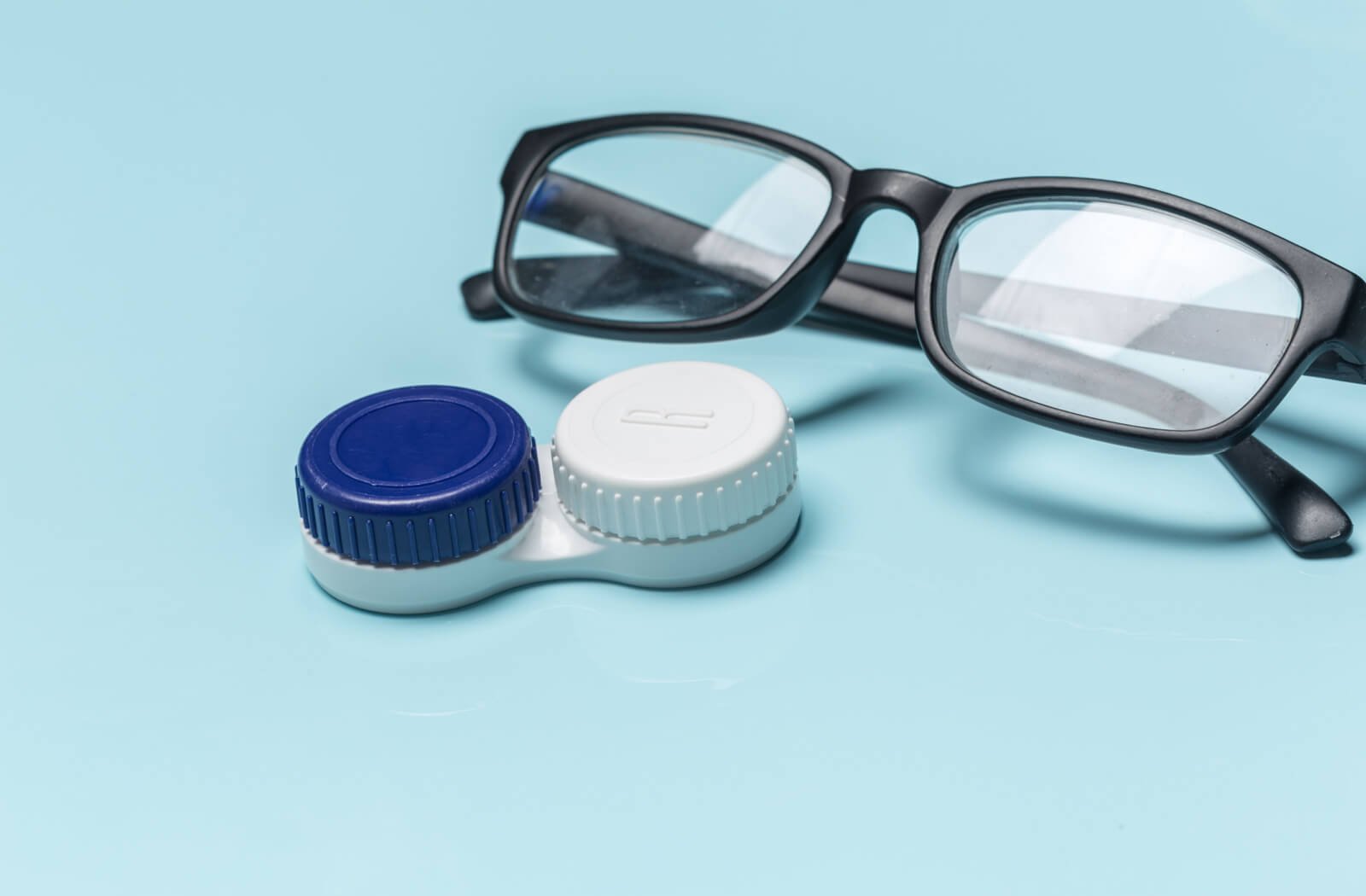
You have undoubtedly thought about using contact lenses or glasses to fix your vision if you are short-sighted or farsighted. So, are contacts or glasses superior to each other?
Both choices have advantages and disadvantages. While contacts provide benefits like improved peripheral vision and ease of movement when engaging in sports or other activities, glasses are simple to wear and don’t need any additional maintenance or cleaning.
While eyeglasses might be an impediment during some activities, contacts require particular cleaning and maintenance. How do you determine what is best for you? Let’s find out!
Advantages of Contact Lenses
Some advantages of contact lenses include:
- Contact lenses adapt to the curve of your eyes. This gives a broader field of view and is less likely to create visual distortions and blockages than spectacles.
- Contact lenses provide more alternatives for presbyopia correction than glasses. It including progressive and monovision lenses.
- Contact lenses do not get in the way (or slide down your nose) whether you are playing sports or working out.
- Contact lenses are largely unaffected by weather and, unlike glasses, do not fog up in cold temperatures.
- Contact lenses will not conflict with what you are wearing. Contact lenses may highlight your eyes and cosmetics.
Contact lens drawbacks
- To avoid potentially dangerous eye infections contact lenses need careful attention and daily lens case cleaning.
- Getting acclimated to wearing contacts me take longer. They often call for additional follow up visit to your ophthalmologist.
- The severity of Dry eye syndrome is increased by Contact lenses because they decrease the quantity of Oxygen that reaches the eye and thin tear film.
- Wearing contact lenses while using a computer for extended periods of time will probably make dry ice words and increase the symptoms of computer vision syndrome.
- When people unintentionally fall asleep while using daily use contacts, they usually wake up with dry, gritty, red and irritated eyes. In these situations are a preferable option.
Benefits of glasses
Some advantages of glasses include:
- The best low-maintenance choice is glasses. You just need to put them on. No cleaning agents or extra attention is required.
- Because glasses don’t come into contact with your eyes, there is a lower chance of problems or infections.
- Even while a high-quality pair of glasses may be expensive, if they are properly cared for, they can last for many years, making them an economical option over time.
- Glasses have evolved into a fashion element that lets wearers show off their individuality. There is something for everyone, ranging from flamboyant designer designs to elegant metal frames.
- If you have the proper lenses, glasses protect your eyes from wind, dust, and dangerous UV rays.
- Everyone can wear glasses even if they have allergies, dry eyes, or other issues that make contact lenses uncomfortable.
Drawbacks of glasses
- Glasses, in contrast to contact lenses, only correct eyesight within the lens region, making peripheral vision less crisp.
- For those who wear glasses, rain, fog, and humidity can be annoying since they make it difficult to see when you need to.
- Glasses need to be handled carefully since they are prone to breaking.
- Long-term usage might be uncomfortable while engaging in vigorous activities or create markings on your nose and ears.
- Even if they are fashionable, glasses may not go well with some types of activities. Such as swimming or high-contact sports
Key Factors to consider when choosing
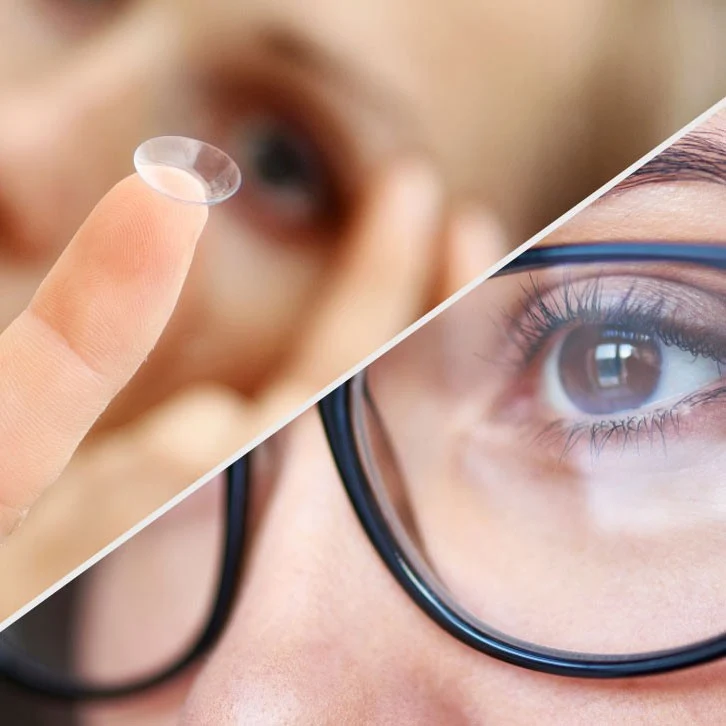
Using between contact lenses and spectacles is quite personal. Here are some things to bear in mind.
1. Lifestyle
Active people and athletes frequently prefer contact lenses.
If you want simplicity and minimum effort, glasses may be a better option.
2. Budget
Contact lenses may incur fees for replacement and cleaning.
Glasses, while initially pricey, are a one-time investment that will last a long time.
3. Eye Health
If you have sensitive or dry eyes, glasses are the safer option.
If you need precise vision correction without glasses, contact lenses may be a better option.
4. Aesthetic
If appearance is important, try contacts or fashionable glasses that suit your style.
Which is better, glasses or contact lenses?
The answer to this question is not universal. Your lifestyle, eye health, and visual requirements will determine the best option. For many, the most flexible option is to wear both glasses and contact lenses
Wearing glasses might be beneficial if you:
- Work on computers or other digital devices for extended periods of time.
- Use the vision correction method that requires little upkeep
- Have sensitive or dry eyes
- Reside in places with lots of pollution or dust
- Desire an affordable long-term solution.
Contact lenses could be more beneficial if you:
- Engage in frequent physical activity or sports.
- Prefer not to wear eyewear
- Attend social or business on a regular basis
- Unrestricted peripheral vision is required.
- Desire more mobility when engaging in regular tasks.
Conclusion
Your personal tastes, lifestyle, and eye health requirements will ultimately determine whether you choose contact lenses or glasses. Glasses are often a superior choice for everyday use if convenience, safety, affordability, and low maintenance are your top priorities. Contact lenses could be the best option if you like flexibility, beauty, and unhindered vision. For many people, the best course of action is to use both strategically. You can use them depending on various circumstances and activities, rather than choosing one over the other.