
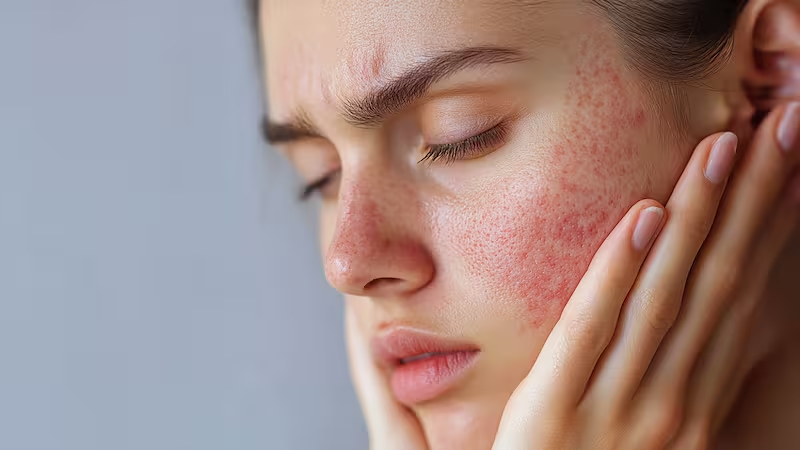
Lupus is an autoimmune illness. It means that your body’s immune system targets its own tissues and organs. Numerous bodily systems, including your joints, skin, kidneys, blood cells, brain, heart, and lungs, can be impacted by inflammation brought on by it. Because its symptoms and signs sometimes resemble those of other illnesses, lupus can be challenging to diagnose. In many but not all cases of lupus, a facial rash that mimics a butterfly’s wings spreading across both cheeks is the most characteristic symptom.
Some people are predisposed to lupus from birth, which can be brought on by infections, specific medications, or even sunshine. Although lupus has no known cure, there are treatments that can help manage symptoms.
Types
The most prevalent kind is systemic lupus erythematosus (SLE). It can impact various bodily areas and be moderate or severe.
- Cutaneous lupus: Skin is affected by the cutaneous type. Usually, after your skin is exposed to sunlight, it results in a rash or sores. Discoid and subacute cutaneous are the two main forms of cutaneous lupus.
- Drug-induced lupus: Reactions to certain medications can result in drug-induced type. 3 to 6 months after beginning the medication, the symptoms could appear. When you stop using the medication, the symptoms normally disappear.
- Neonatal lupus: Rarely, babies can develop neonatal lupus. It is brought on by certain antibodies that are transferred from the expectant mother to the unborn child.
The Causes of Lupus
The exact causes of lupus are unknown to experts. Lupus may be brought on by certain aspects of your health or place of residence, such as:
- Genetic factors: You may be more susceptible to lupus if you have specific genetic variants.
- Hormones: Your body’s reactions to specific hormones, particularly oestrogen, may increase your risk of developing lupus.
- Environmental factors: These are elements of your place of residence, employment, or recreation. For instance, your exposure to sunlight or pollutants may raise your risk of developing lupus.
- Your medical background: Lupus can be brought on by smoking, high levels of stress, and certain other medical disorders. Lupus frequently develops in persons with other autoimmune illnesses.
What Signs and Symptoms are Associated with Lupus?

The symptoms of lupus vary from person to person and can take many different forms. Among the more prevalent ones are:
- Arthritis resulting in swollen, aching joints in the morning
- Rigidity
- Fever
- Feeling worn out or exhausted frequently
- Red rashes, usually on the face. Also known as butterfly rash
- Pain in the chest when breathing deeply
- Loss of hair
- Stress and cold can cause pale or purple fingers or toes (Raynaud’s Syndrome).
- Sun sensitivity
- Swelling around the eyes or in the legs
- Mouth ulcers
- Gland enlargement
- headache and lightheadedness
- Memory issues and confusion
Symptoms could appear and disappear. A flare-up is when you experience symptoms. Mild to severe flare-ups are possible. You could experience new symptoms at any time.
What are Complications?
Numerous consequences can result from lupus major organs, mental health, and general immune function may all be impacted. Pregnancy-related difficulties may also result from it. Individuals with lupus may experience:
- Organ damage, particularly to the heart, lungs, and kidneys
- Blood conditions such as anemia, hypertransfusion, or blood clots.
- Men to health issues, including society and depression.
- Nervous system issues, like seizures or eyesight issues
- Infections
- Osteoporosis
- Pregnancy difficulties, including premature labour, create complications and a higher chance of miscarriage.
Takeaway
Your health may be affected by this disorder, but your quality of life need not be negatively impacted. You can live as healthily as possible by concentrating on your wellness and medications. One can focus on their wellness at home by doing the following in addition to following their treatment plan:
- Maintaining an active lifestyle and getting lots of exercise.
- Consuming a balanced, healthy diet.
- Figuring out how to handle stress
- Make sure you don’t overwork yourself and get enough sleep.
You may also learn more about living with lupus by reading about other people’s experiences. Managing a lupus diagnosis might be difficult at times. Sharing your experience with others through online or in-person support groups could be beneficial.