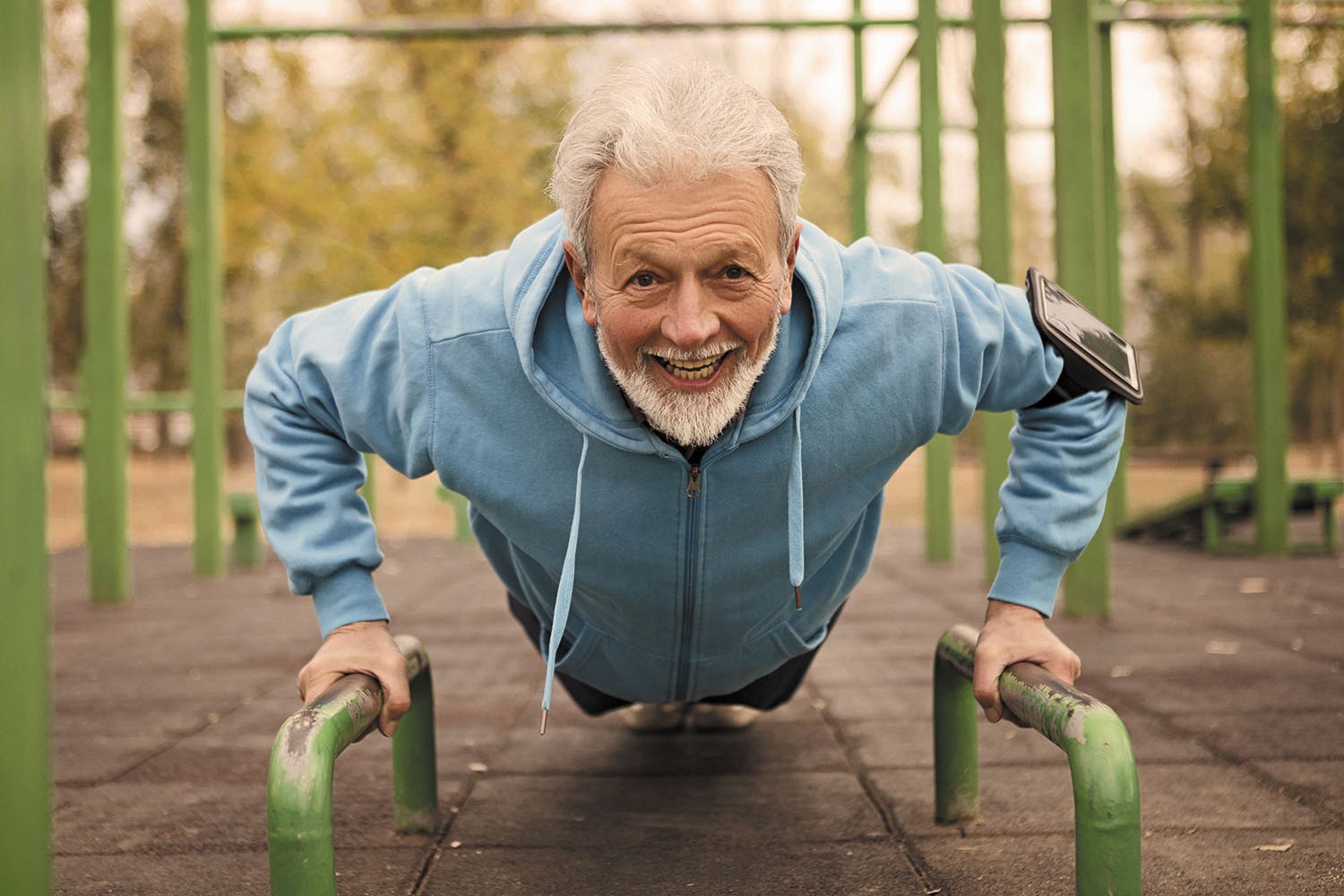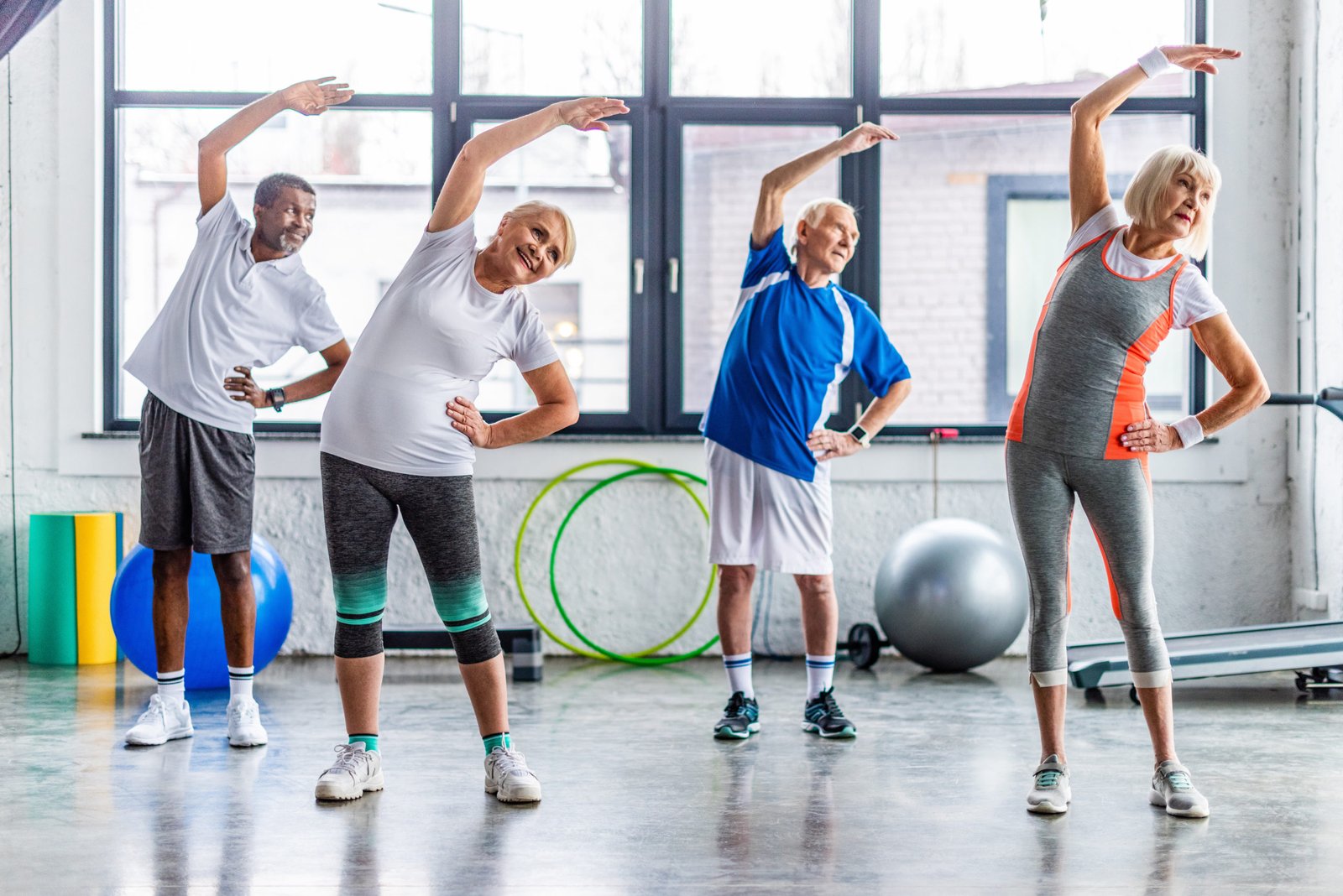
Safe Exercises for Senior Citizens: At any age, but particularly as you get older, exercise is very important. Indeed, even a single session of moderate-intense exercise can provide health advantages like reduced blood pressure and improved sleep quality. Frequent exercise can also lower the risk of developing long-term conditions like dementia, heart disease, stroke, type 2 diabetes, and some types of cancer. It can lessen your chance of falling by strengthening your bones and enhancing your balance. Many senior citizens do not engage in the recommended 150 minutes of moderate activity per week. It is important they do.
Safe Exercises for Senior Citizens
Senior citizens should engage in Safe Exercises that focus on four key areas:
- Balance: People aged 65 and older are more likely to fall. It is the most common cause of injury and mortality. You can keep your balance by incorporating exercises like yoga and tai chi.
- Endurance: Aerobic exercises that raise heart and breathing rates fall under this category. Aim for 150 minutes per week of these exercises.
- Flexibility: You may significantly increase your flexibility by doing simple exercises like stretching once a day.
- Strength: Exercise like lifting weights and utilising resistance bands falls under this category. Strength-building excercises should be done two or three times per week
What is considered light activity?
Any sort of moving instead of sitting and lying down is considered light activity. Light activity examples include:
- Getting up to brew a cup of tea
- Walking around the house
- Strolling slowly
- Dusting and cleaning sometimes
- Making the bed in the morning
- Vacuuming
- Getting on your feet
What is considered an activity of moderate intensity?
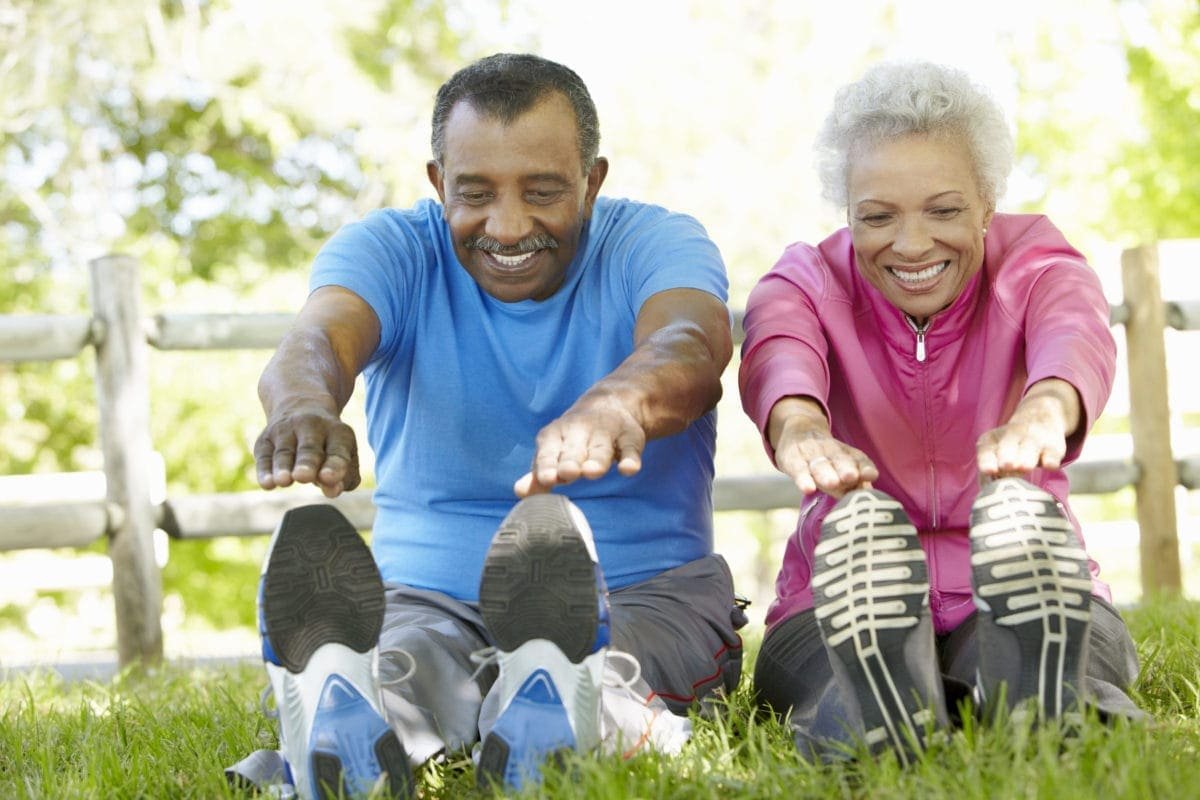
Your heart rate will increase with moderate-intensity exercise, which will also cause you to breathe more quickly and feel warmer. If you are still able to speak but not sing, you may be operating at a moderate intensity level. Activities with a moderate level of intensity include:
- Walking for well-being
- Water aerobics
- Cycling
- Dancing for physical fitness
- Mowing the lawn
- Short Trekking
What is considered an activity of vigorous intensity
You breathe quickly and forcefully when you engage in high-intensity exercise. You won’t be able to speak more than a few words without stopping to catch your breath if you’re working at this level. Generally speaking, 150 minutes of moderate level excercise can provide comparable health advantages as 75 minutes of severe intensity excercise. Vigorous action includes, for example:
- Running
- Aerobics
- Swimming
- Riding a bike quickly or on slopes
- Football
- Walking uphill
- Dancing for physical fitness
- Martial arts
What are the advantages of exercising as you age?
You can benefit from regular exercise at any age. However, as you become older, some of the health advantages of exercise become even more significant. Exercise can:
- Avoid age-related diseases: These are conditions that become more prevalent as you age. Frequent exercise may reduce the risk of some diseases, such as diabetes, heart disease, and some types of cancer.
- Reduce your blood pressure: Another age-related problem is high blood pressure. You can control your blood pressure by being active.
- Lowers the risk of bone fractures: Strength training, in particular, increases bone mineral density and lowers the risk of bone fractures.
- Prevent falls: According to the study, being unconscious or falling down is the most common cause of injury for adults over 65. Additionally, engaging in exercise regimens lowers older people’s risk of falls that necessitate medical attention.
- Improves cognitive abilities: In the United States, dementia affects about 5 million senior citizens. Exercise has been shown to boost cognitive scores and prevent cognitive decline in senior citizens.
- Help you preserve your independence: Regular exercise helps you maintain your health, mobility, and well-being.
- Help you live longer: According to research, maintaining an active lifestyle can extend your life by a number of years.
Why is regular exercise important for Elderly People?
For older people, regular safe exercises are essential because it increases muscle strength, enhance balance, and lower the risk of falls. They are able to stay independent for longer as a result. Additionally, exercise improves mood, lowers the risk of disease, and strengthens the heart, all of which contribute to a higher quality of life. It can also help elders stay intellectually active and upbeat by improving Cognitive function and possibly preventing depression.