

Many of us have been tempted to embark on a crash diet in an attempt to drop a lot of weight quickly. But specialists strongly advise against doing so. Exhaustion, the loss of vital nutrients and vitamins, and most importantly, a decrease in muscle mass rather than adipose fat mass are the results of this kind of diet. It disregards your body’s natural metabolic processes. Furthermore, the “yo-yo” effect occurs when you resume eating “normally,” causing your body to gain and accumulate (much more) weight than it has dropped.
Why is crash dieting ineffective for managing weight?
If you are overweight, especially if your BMI is higher than 35, cutting calories and increasing your physical activity won’t ensure long-term weight loss. This is due to the fact that conduct is just one of several factors that contribute to obesity. Your set point weight is one important consideration.
A fixed weight range that your body strives to maintain is known as your set point weight. This is not influenced by your actions because it is determined by a variety of factors, including your biology and genetics. Because of this, when you go on a crash diet, your body fights back to preserve it sets like your hunger signals or metabolism
Why are crash diets ineffective?
From an evolutionary perspective, the human body is hardwired to maintain its weight. In the long run, crash diets are ineffective. The truth:
- Crash diets are low in calories and unsustainable
- Because these severely restrict your food options, diets are frequently uninteresting.
- Elevated soul levels brought on by dieting encourage weight gain.
- They occasionally exclude whole food groups. It is unhealthy and can result in long-term health problems and nutritional deficiencies.
- You frequently lose muscle or water weight
- In order to adapt to the calorie restriction, the body’s metabolism slows down, and instead of burning fat, it may store it.
- Emotional and mental problems are not addressed by crash diets.
- You may become food-obsessed and view eating as a reward when on a diet.
- Happiness and weight loss are two distinct things
- Willpower by itself is frequently insufficient to keep you on course.
It is crucial to remember that becoming “healthier” does not always follow weight loss. Dieting doesn’t teach you how to eat healthily and is stressful.
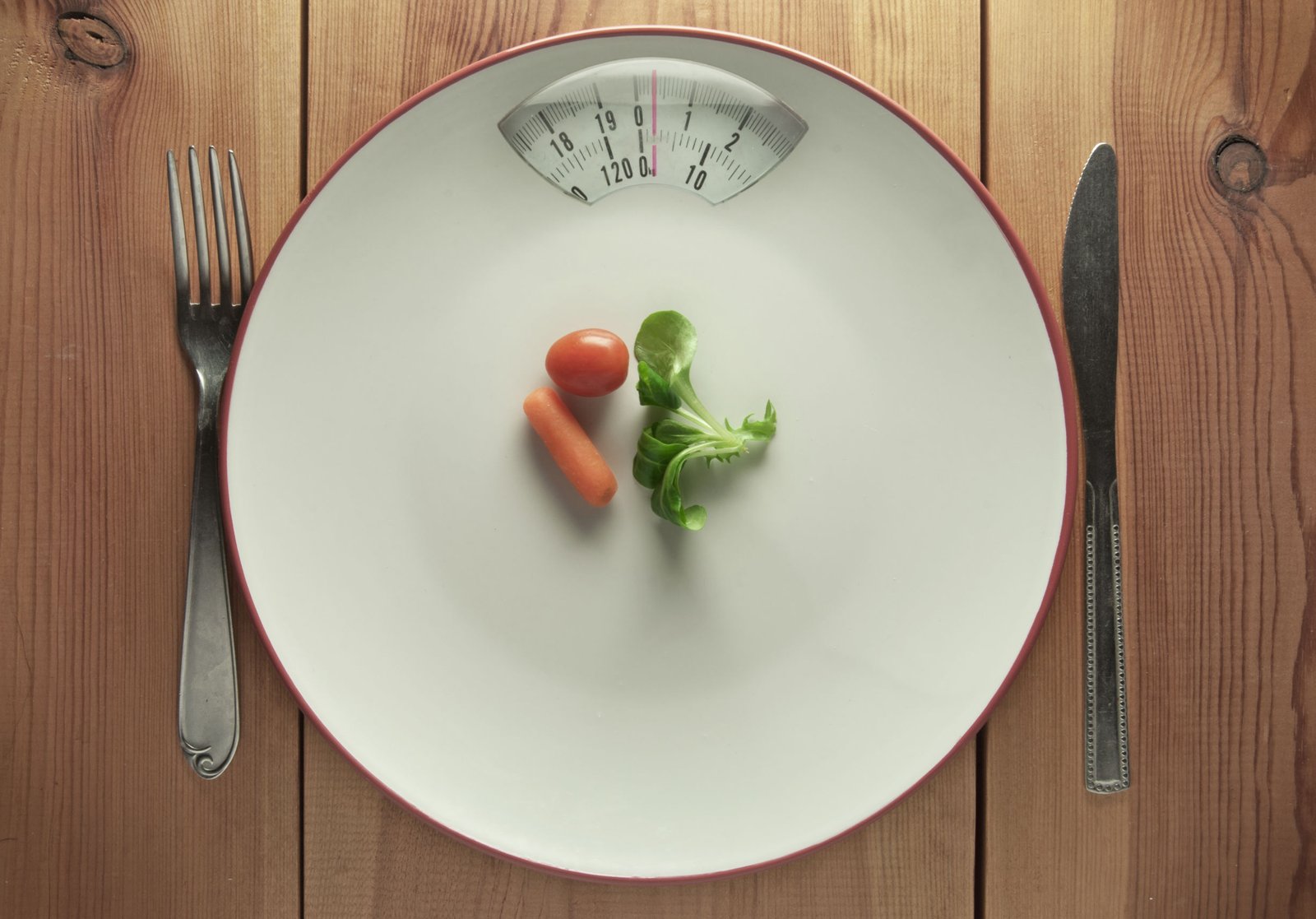
3 Reasons why crash dieting may be more dangerous than beneficial
Deficiency in nutrients
We are not receiving the necessary nutrients while our bodies are in a state of limitation. This could result in nutritional deficit, and long-term consequences include weak or brittle nails, hair loss, tiredness, and irregular pulse. The body uses both macronutrients (protein, fat, and carbs) and micronutrients (vitamins and minerals) for crucial processes, and our health depends on obtaining adequate amounts of each.
Decrease in lean muscle mass
Severe calorie restriction can result in a greater loss of muscular tissue in addition to a significant loss of fluids and fat. Reduced strength and an increased risk of bone fractures result from muscle loss.
Reduced metabolism
Total Daily Energy Expenditure, or TDEE, is something that our bodies naturally produce. Although it consists of 4 parts, our basal metabolic rate (BMR) will determine the majority of TDEE. The amount of energy our body requires to function while at rest is known as the basal metabolic rate. Adaptive thermogenesis is the process by which a person stops losing weight by lowering their BMR to match the reduced caloric intake.
Being slim is not your objective; to be healthy is
Using a realistic approach, you prioritise your efforts and evaluate your health in each of these categories; the overall score is what counts, so please avoid the urge to make everything flawless. Overtime your priorities will also shift.
Our recommendation is to strive for consistent weight loss of at least one pound per month. If that sounds too sluggish, keep in mind that it’s 36 LBS over 3 years, which is a significant amount. It’s unlikely that you gained the extra weight overnight; it might take you half as long to lose it.