
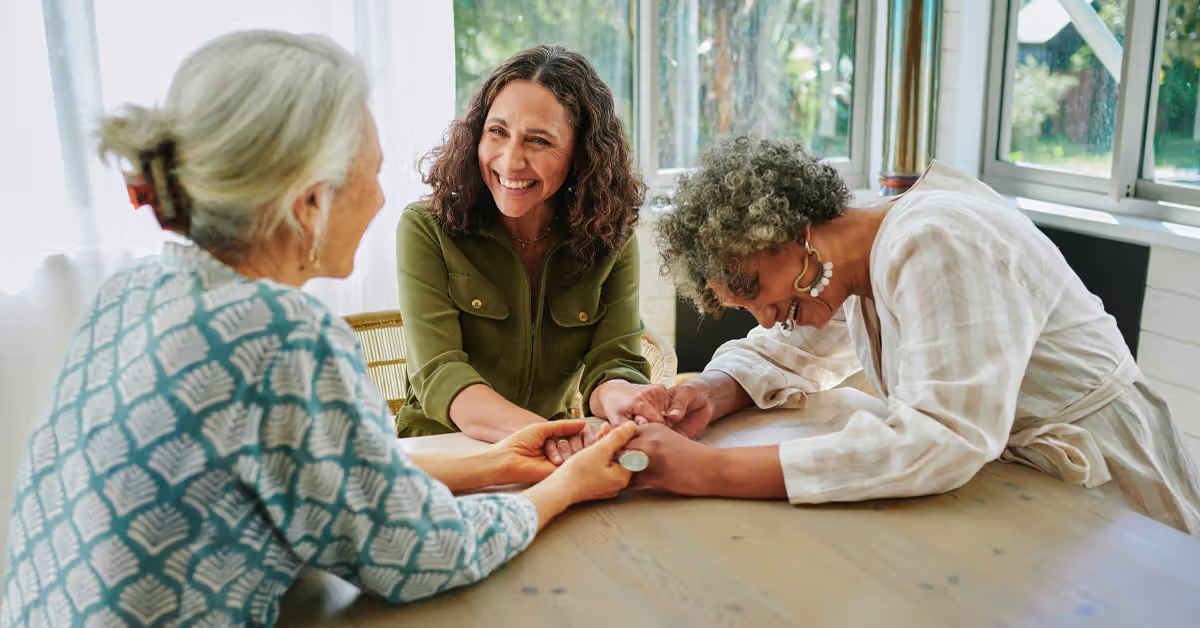
According to surveys, happiness and ageing frequently form a U-shaped curve. From childhood until middle age, the line gradually declines before rising in your 50s and 60s. Approximately 1 in 3 adults in their 60s report feeling “very happy.” It is marginally higher than that of those under 35. You’ve undoubtedly learned from life to enjoy the good times and to know that the bad ones will pass. However, you may face additional difficulties throughout your golden decade, such as concerns about your health or finances, or the passing of family members.
Typical Health issues in your 60s
Unfortunately, this age group’s overall higher risk of serious health problems is the main cause for concern. For this reason, maintaining a yearly doctor appointment is essential. These are more particular issues that you may encounter at this age.
- Significantly increased risk of Heart Disease: Your risk of Heart Disease rises dramatically in your 60s. In actuality, 20% of women between the ages of 65 and 74 die from heart disease. To keep an active lifestyle, eat a balanced diet, and consult your physician to ensure that your heart is in good condition to combat this.
- Increased Stroke Risk: In addition to the previously mentioned factors, women in this age group have a twofold increased risk of stroke.
- Affect on the immune system: As you age, your immune system deteriorates. This implies a higher risk of all illnesses. Illnesses, including minor ones like the seasonal flu or the common cold. For this reason, it’s critical to maintain current immunisations, such as the flu shot. Additionally, avoid hanging out with people you know are ill. Wash your hands extra carefully. Think about donning a mask while you’re in a big crowd. Continue exercising, lower your stress levels, consider taking vitamins, and maintain a nutritious diet to strengthen your immune system even more.
- Hearing Loss: A lot of women in this age range say their hearing is getting worse. If this becomes a problem for you, consult your physician to determine which of the several new technological developments might be most effective in restoring your hearing.
- Weaker Skin: You may notice that your skin is typically more delicate and dry in addition to having more age spots. See your dermatologist to find out the best course of action if this is upsetting you and creating problems.
It’s crucial to remember that this list is merely a place to start when it comes to making sure you’re as healthy as possible during this stage of life. To be sure you’ve created a wellness plan that works for you, cultivate a close relationship with your gynaecologist and/or general practitioner.
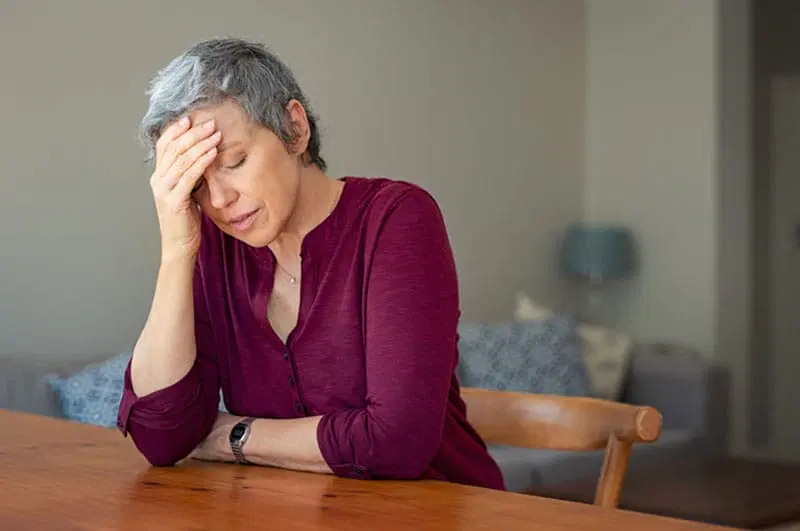
Health Advice
Making tiny adjustments every day to improve your health is essential to leading a balanced and healthy life. For those in their 60s and beyond, consider the following health advice:
- Avoid smoking
- Eat healthily
- Develop a rapport with a doctor you respect and trust, and schedule routine checkups.
- Consume 1000 mg of calcium and vitamin D daily
- Spent 30 minutes exercising. If possible everyday
- Sleep for seven to eight hours every night
- Keep your weight in check
- Keep an eye out for depressive symptoms
- Put on sunblock
Why See a Geriatrician?
Medical professionals who focus on the needs of the elderly are known as geriatricians. In contrast to ordinary practitioners, geriatricians consider the “whole person,” treating senior patients’ overlapping health issues and several prescriptions to avoid complications.
Geriatricians can better manage women’s health difficulties by identifying the early signs of old age disorders and consulting the appropriate medical professionals. Supporting our senior ladies is a shared obligation that will benefit us in the long run with their knowledge and presence, whether it is through lifestyle modifications or appropriate medical care.