
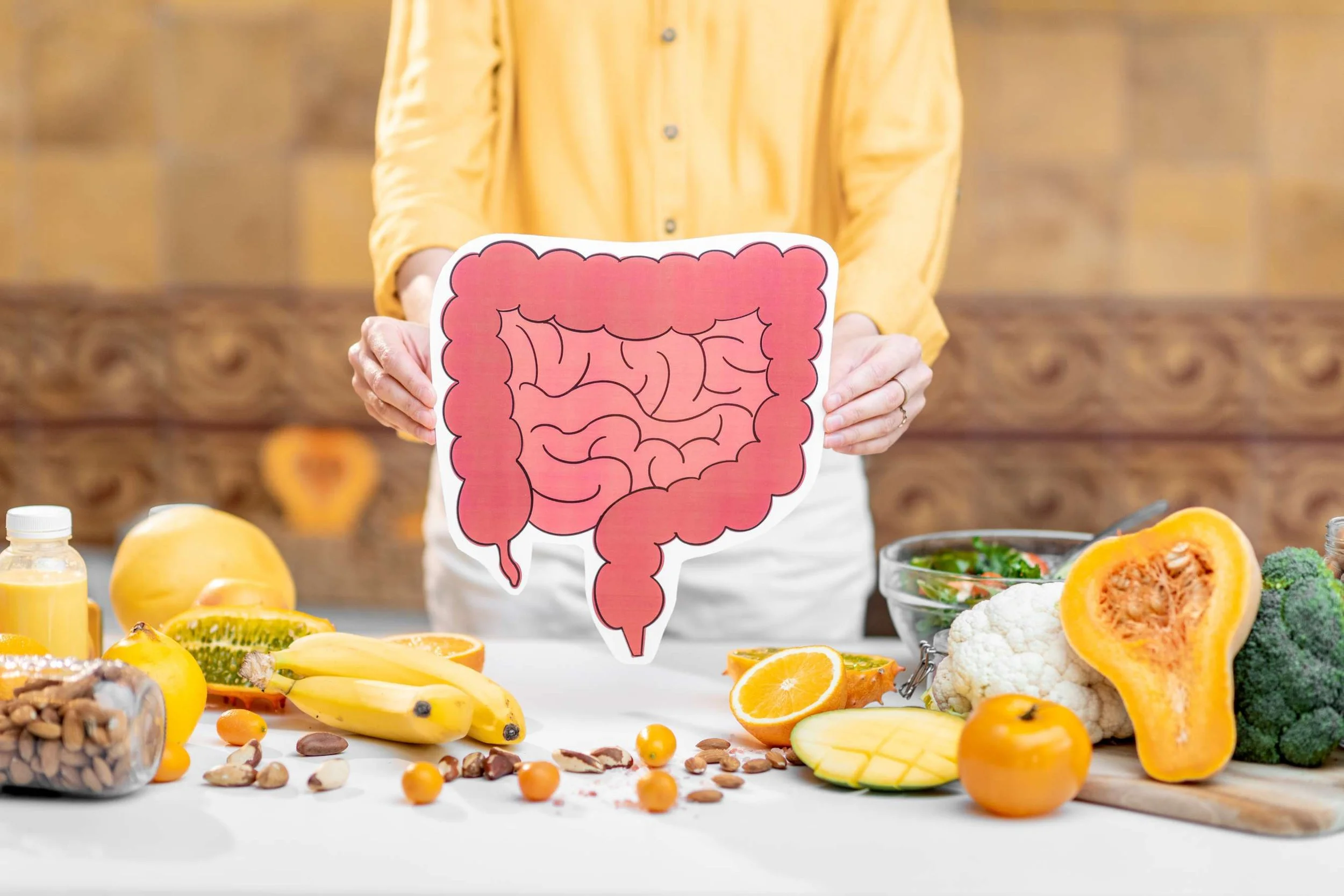
Gut Health Nutrition: There are trillions of microorganisms in the human body, most of which are found on the skin and in the intestine. The cecum, a region of the large intestine, is home to the majority of intestinal microorganisms, including various bacteria, viruses, and fungi. The gut microbes serve as an additional organ and are essential for preserving health. It is the aggregate name for these microorganisms.
The majority of the bacteria in the gut microbiome are important for preserving one’s health, even though other species are linked to a number of health problems. The majority of these bacteria are “good bacteria,” which are present in the digestive system and help in digestion. Better nutrient absorption from properly digested meals gives the body the energy it needs. In summary, maintaining that help is essential to maintaining overall health.
Nutrition’s Effect on Gut Health
A varied gut microbiome is fostered by a diet high in fibre from fruits, vegetables, and whole grains. It supports immunological and digestive processes. Beneficial bacteria are introduced via probiotic meals like yoghurt and fermented foods. However, diets heavy in processed foods, sugar, and unhealthy fats can upset the equilibrium of the stomach, causing inflammation and digestive problems. Data according to the top gastrology hospitals. Our dietary decisions have a big impact on maintaining a healthy gut, which in turn affects our General Health.
Foods for Gut Health
The following foods will support intestinal health:
Yogurt: Probiotics or “friendly” bacteria are abundant in yogurt with live and active cultures. Choose plain yoghurt, which is sugar-free. High concentrations of beneficial bacteria for the intestines can be found in yoghurt drinks.
Kimchi: This fermented vegetable specialty from Korea contains fibre, vitamins, and probiotic microorganisms. Serve it as a vibrant side dish with eggs, salad, or meat.
Almonds: Packed with fibre, fatty acids, and polyphenols, almonds are a treat for your gut flora. When you need a surge of energy, a handful of almonds is a great snack.
Olive oil: Research has demonstrated that olive oil contains fatty acids and polyphenols. It can lessen intestinal inflammation. Olive oil has also been shown in certain studies to help with indigestion and to help your pancreas by reducing the amount of digestive enzymes it needs to generate.
Green peas: Packed with both soluble and insoluble fibre, peas assist in maintaining the equilibrium of your body. Add peas to salads, soups, and stir-fries.
Garlic: Garlic’s excellent antibacterial and antifungal qualities can help balance the use in the stomach and regulate bad gut bacteria. Garlic’s qualities serve as a fuel source for the bacteria, which enhance gut function overall.
Brussels sprouts: These are much more than just a seasonal staple. They also include sulphur compounds that help fight off harmful bacteria like H pylori and the forms of fibre that good bacteria appreciate.
Symptoms of digestive disorders
The following factors may impact your gut microbiome:
- Tension
- Insufficient sleep
- Lack of exercise
- Consuming an excessive amount of highly processed foods and beverages
- Alcohol consumption and smoking habits
- Using antibiotics
- Uncontrollable factors, including our Genetics, environment, age, method of delivery during birth, and whether we were breastfed or bottlefed as infants, also have an impact on the gut flora.
Although there isn’t a single indicator of gut health, several indicators of poor gut health include:
- Fatigue or Sleep destructions
- Stomach problems, including heartburn, diarrhoea, constipation, bloating, and gas
- Hormonal or mental issues like anxiety, excessive stress, or mood imbalances
- High prevalence of infectious diseases, such as the common cold
Myths concerning digestive health
For gut health, there are no miraculous treatments. There is no sign of proof that specific means or any other product can quickly correct an imbalanced gut microbiota.
Additionally, there is no scientific proof that colon cleansing has any positive effects on health. That help research is still in its infancy, and knowledge of this intricate subject is growing. Watch out for material on gut health that isn’t supported by evidence. The best evidence we have so far is concentrating on eating healthy, utilising the advice on this blog.