
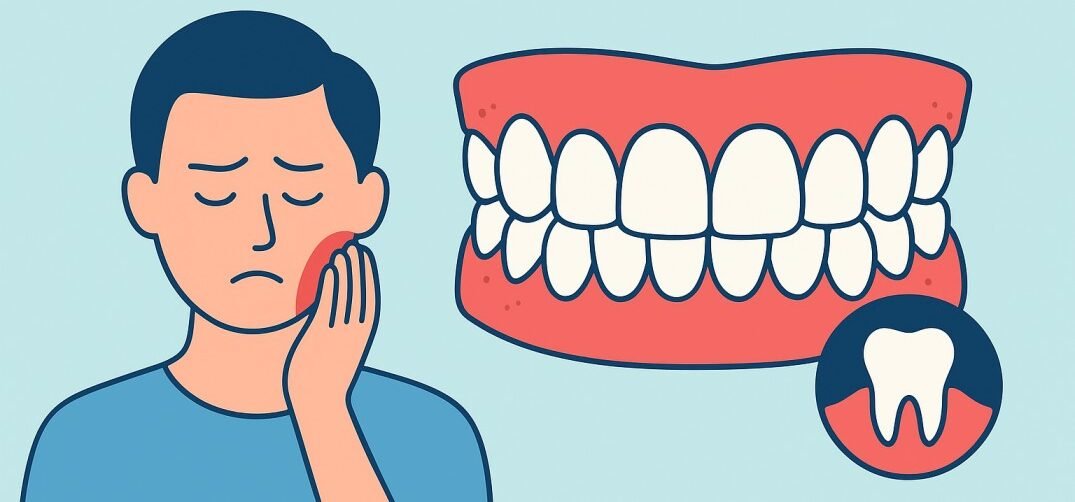
You might be surprised to hear how frequent gum disease is. In actuality, gum disease affects most adults to some extent, and most of us will encounter it at some point in our lives.
However, even though gum disease is widespread, It’s crucial that we treat it seriously. You run the danger of developing more serious gum diseases, including periodontitis. It is a leading cause of adult tooth loss if you don’t identify and treat the symptoms of a gum problem as soon as possible.
The good news is that, with the correct oral hygiene regimen, gum disease is treatable. Continue reading to find out everything there is to know about gum health.
How to determine the health of your gums
Fortunately there is a reasonably simple method to determine whether your gums are healthy or requires extra care.
In most cases, the gum line’s appearance serves as a sufficient indicator to assist as comprehend their state.
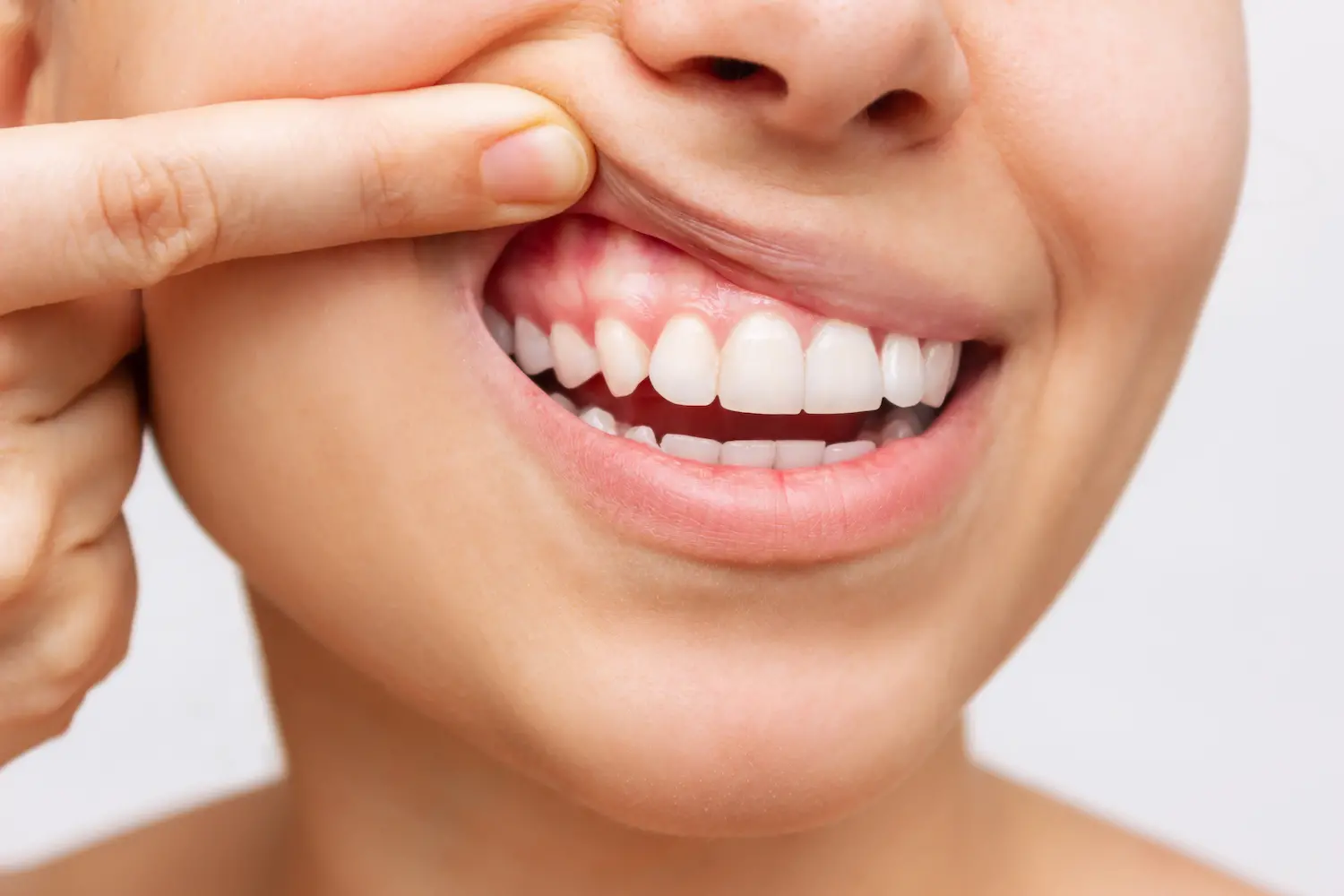
The next time you clean your teeth, pay special attention to your gums in the mirror. Your gums need to be pink and firm.
Gum redness, Inflammation and noticeable areas of discoloration between the teeth and the rest of the gums are early indicators of possible gum problems.
It’s likely that your gum health has been neglected if you notice any of those symptoms when brushing your teeth.
Although it’s Important to watch out for these symptoms, there are some more over indicators of possible come issues. Soreness, bleeding gums, and increased tooth sensitivity are all signs of potentially unhealthy gums.
Gums naturally grow more prone to bleeding when brushing as plague accumulate on them and causes them to swell and become inflammatory. Additionally you may occasionally experience pain or discomfort wind brushing due to the affected area becoming sore.
Bad breath, receding gums, and loose or moving teeth are further possible warning indicators.
How to keep your gum safe everyday?
Prevention is more important for maintaining healthy gums than simply identifying issues. Basic everyday routines consists of:
- Using a toothbrush with gentle Brussels at least twice a day.
- To get rid of plaque between teeth, floss everyday.
- Reducing germs using an antiseptic mouthwash
- Maintaining gum health by eating a balanced diet
- Refraining from smoking, which raises the risk of gum disease
- Frequent dental examinations assist identify early indicators that you might overlook at home.
How do healthy gums appear?
Light pink, firm to the touch, non bleeding, and able to hold your teeth firmly in place are characteristics of healthy gums. However, the colour of unhealthy gums are usually red, dark red, or even purple. These can frequently be used to identify them right away. In addition to being painful, bloated, and prone to bleeding when brushing and flossing, unhealthy gums can also begin to separate from your teeth.
For a side by side comparison of colour and inflammation, it could be useful to compare your gums with images of healthy and unhealthy gums. This may give you a sense of the state of your gums. However, the best person to consult for a formal diagnosis of gum disease is your dentist. To determine whether you are exhibiting symptoms of unhealthy gums, you may also take a quick and easy gum health test.
Options for professional gum treatment
The severity of the gum Infection determines the appropriate course of action:
- Plaque and tartar behind the gum line are removed with a professional deep cleaning.
- In order to facilitate the gum’s reattachment, scalling and root planning polish the tooth roots.
- Antibiotic treatment combat persistent infections.
- In order to restore the health of your gums and bones surgical alternatives are only available in difficult situations.
- You can maintain the strength of your gums and disability of your teeth with professional treatment.
Maintaining healthy gums
Regular dental visits are essential for spotting early signs of gum disease. Gam disease can be easily treated at home with brushing, flossing, and daily mouthwash if issues are detected early.