
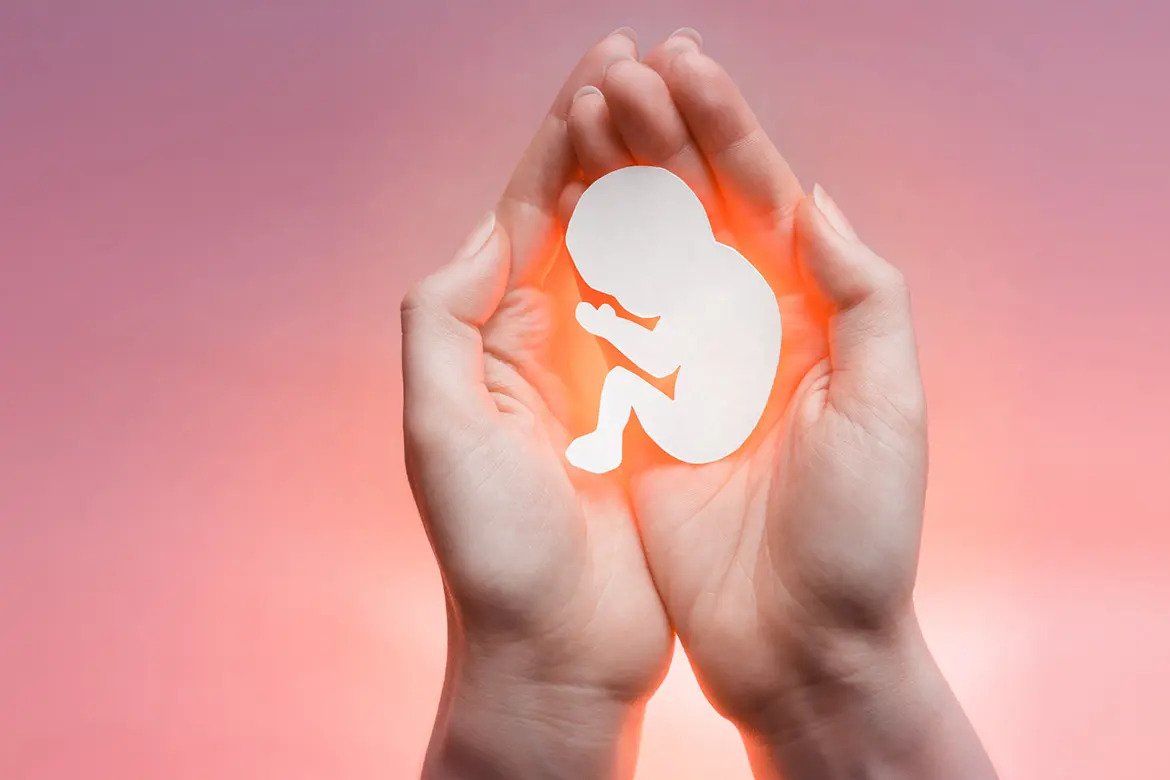
A miscarriage can have a profound impact on anyone. Or they might feel farther away. Many women who have lost a baby have discussed feelings of loneliness, anxiety, emptiness, guilt, and grief. Determining precisely what you are experiencing and why can be challenging at times. This is also typical. Sometimes understanding a little bit about the experiences of others might help you make sense of your own. Throughout this page, there are numerous links to other people’s stories.
It’s crucial for the mother to keep in mind that complex emotions will coexist with the normal mood swings brought on by shifting hormone levels. You might feel like crying a lot and have mood changes. Don’t forget to account for this. Treat yourself with kindness. Emotions following a loss can be erratic, fluctuating between different emotions on a daily or weekly basis, and this is also common.
Handling emotions
A miscarriage is defined as a pregnancy that ends before 20 weeks. Sadly, 15 to 20 percent of pregnancies that are known or diagnosed end in miscarriage, with the majority occurring before 12 weeks of gestation. The majority of miscarriages are brought on by a genetic defect that prevents the fetus from growing normally. Miscarriages are not caused by routine activities like working, exercising, or having intercourse. However, a lot of women continue to place the bird and on themselves.
Many women go through and emotional roller coaster in the weeks following a miscarriage. A woman who has just miscarried is also going through hormonal changes as her body gets used to not being pregnant. Fluctuations good exacerbate her feelings.
Coping together as a couple
A miscarriage usually causes different reactions in men and women. When presented with the crisis, males frequently go into problem solving mode. When they are unable to fix their partner’s suffering, they may feel inadequate and powerless. Another frequent issue is miscommunication. When a man discusses the baby, he is frequently witnesses his woman crying, so he learns to avoid the topic. Additionally the lady meeting he doesn’t care since he doesn’t bring it up even when he actually does.
Experts encourage males to express their concern and to be open and honest about the emotions in order to mitigate the impact of a miscarriage on couple’s relationship. For instance, they could take their partner out to a nice dinner, engage in some hobby activity, or do domestic activities together.
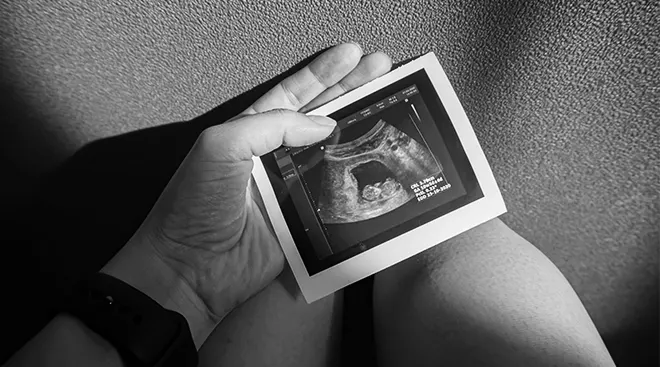
Post-traumatic stress disorder
It’s common to experience extreme distress following a terrifying incident like a miscarriage. It may take some time to heal from chromatic experiences. We know that many people do so with the help of friends, family, and other significant social ties. For example support groups. In the days and weeks that follows a miscarriage, this feelings of extreme distress to possibly subside. However, you will probably still be grieving and depressed for a while.
A women’s body and self-perception after a miscarriage
A woman’s body may start to change during the 4th week of pregnancy. At this stage women meeting experience, woman may experience nausea, sore breasts, increased urination, exhaustion, and weight gain, as a result of hormone imbalance.
A woman’s relationship with her body may also alter after getting pregnant. Some of the women who share their experiences, say that they felt driven to take better care of themselves. They do it by packing wholesome snacks, drinking more water, and getting enough sleep. Taking care of the body translate into taking care of new life.
Self compassion and self confidence can be undermined by a miscarriage. After that, women may experience a variety of unpleasant feelings about their bodies. Experiences such as, disappointment, anger, guilt, or irritation with themselves for not being able to carry the pregnancy to term. Women may struggle to re-establish a connection with their bodies even after the body begins to heal. The worst time in your life is when you miss carry at a young age.