
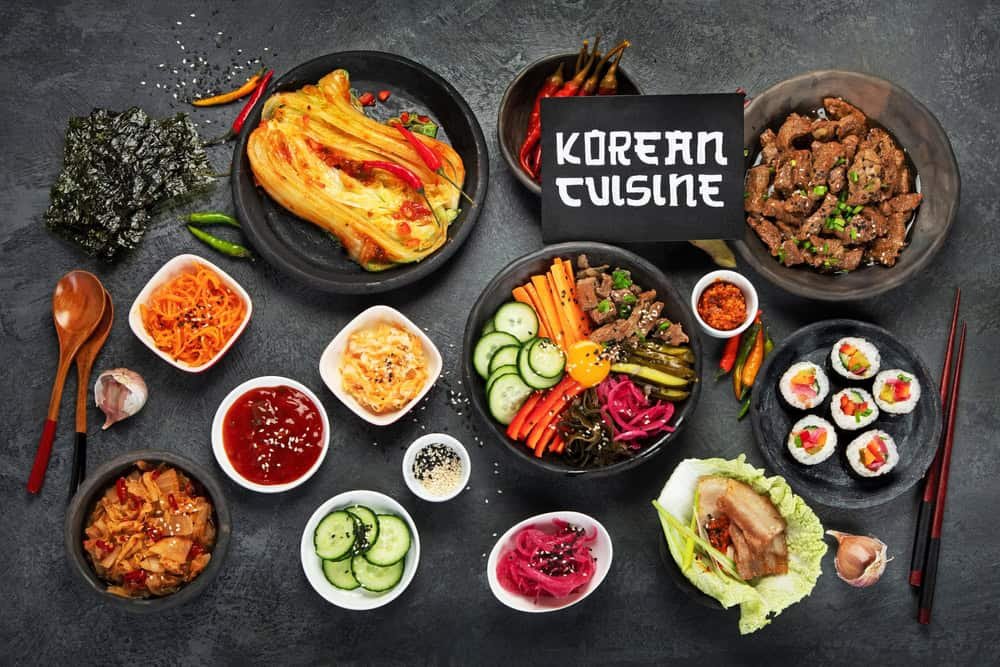
Nowadays, everything related to Korean culture is popular and a hot issue among K-pop lovers worldwide. A popular Korean diet that promises rapid weight loss in just four weeks is one example of this trend. This diet emphasises fresh wholefoods, portion control, and balanced nutrition, and has gained popularity. Thanks to Korean celebrities and social media influencers.
The Viral Korean Diet: What is It?
Dr. Park Yong-Woo developed this viral Korean Switch-On diet. Many people follow it due to it’s ability to burn fat without losing muscle. This eating plan, which resets metabolism and encourages fat burning without causing muscle loss, is a tried-and-true method for weight loss and intestinal health.
To put it simply, it’s all about changing up your diet and paying attention to the correct kinds of food to fuel your body for fat reduction while maintaining muscle mass rather than just lowering calories. This diet is based on traditional Korean eating customs, which are naturally rich in whole foods, fermented foods like Kimchi, lots of veggies, and lean protein.
In contrast to the majority of Western diets, it emphasises fish, vegetables, grains, and broth-based foods rather than dairy and red meat.
Essential Elements of the Korean Switch-On Diet
Intermittent fasting, protein-rich meals, gut health support, hydration, and high-quality food are the main components of the Switch-On diet. The diet places more emphasis on eating the proper foods and timing your meals to assist your body in burning stored fat for energy than it does on rigorous calorie counting.
The Korean Switch-On Diet’s main points are as follows:
- Intermittent fasting: Longer fasts later in the routine. Usually lasting 10-14 hours every day.
- Meals and smoothies high in protein: To keep muscle while burning fat
- No processed foods: Steer clear of sweets, alcohol, caffeine, and highly processed foods.
- Hydration: Drink at least eight glasses or two litres of water every day.
- Pay attention to gut health: Vegetable fibre and probiotics help with digestion.
- Exercise: Moderate exercise, particularly when not fasting for extended periods of time.
- Timing: Dinner should be consumed at least four hours before going to bed.
How Does the Korean Switch-On Diet Help People Lose Weight?
The following is the scientific approach to the Korean Switch-On Diet
- Boosts Metabolism
The traditional Korean diet plan benefits overall health by including fermented foods and vegetables high in fibre. It enables a more metabolically efficient state.
- Minimisea Abrupt Blood Sugar Spikes
A healthy meal aids in blood sugar regulation. It may lessen fat accumulation or boost post-meal energy.
- Diminishes inflammation
Garlic, ginger, chili, and fermented foods are among the foods that have anti-inflammatory qualities. This is thought to help those who are overweight or obese reduce the symptoms of chronic inflammation.
- Eating with awareness
Eating in a Korean manner helps one recognise when they are full and promotes mindfulness and awareness
Foods to Consume and Steer Clear of on the Korean Switch-On Diet
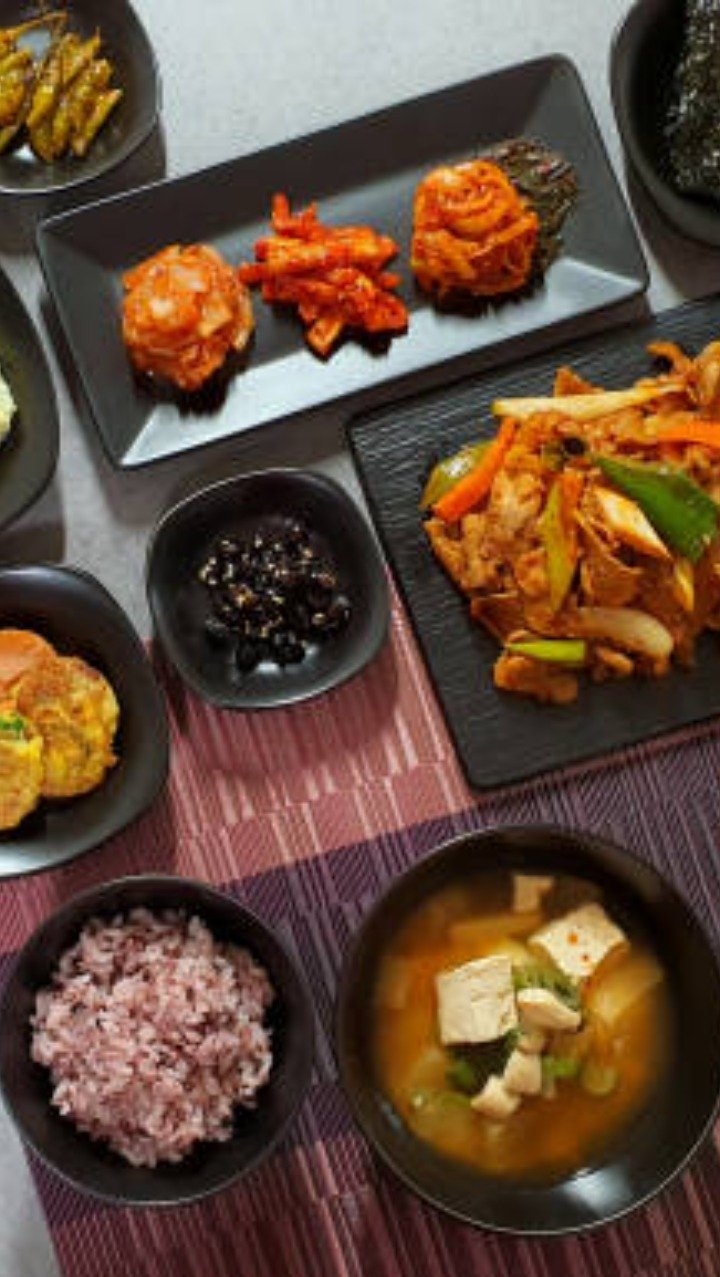
The Korean Switch-On Diet makes a clear distinction between meals that are permitted and those that should be restricted:
Foods permitted
- Foods high in protein include fish, poultry, eggs, tofu, and lentils.
- Vegetables such as leafy greens, broccoli, zucchini and cabbage
- Korean Cuisine is popular for fermented dishes like miso and kimchi
- Nuts, sweet potatoes, and berries are foods high in fibre.
- Grain and rice in moderation are usually low in carbohydrates.
Foods restricted
- Processed foods and sugar
- Caffeine and alcohol
- The majority of dairy
- Extremely starchy carbohydrates and wheat products
These recommendations seek to lessen inflammation, enhance digestion, and facilitate the body’s use of fat reserves for energy.
The Switch-On diet is not for everyone
Although the Korean diet is a durable and successful diet trend that can help in weight loss, it is not advised for everyone and varies from person to person. Any diet should be customised from the start. These diets may not be appropriate for everyone because they are organised, and trying these without professional supervision may have negative health effects. The following types of people should be more cautious:
When following this diet, people with pre-diabetes and insulin resistance must be closely monitored.
- Nursing mothers
- Pregnant women
- People suffering from Eating disorders and who experience severe anxiety related to their food intake.
- If a person has severe hormone abnormalities, gout, or chronic kidney disease.
Although the Korean Switch-On Diet can help preserve muscle mass and assist in weight loss, experts say that in order to stay healthy, it’s also critical to adjust one’s eating habits, get enough sleep, and engage in regular exercise.