
Everyone has heard the saying, “You are what you eat.” It goes without saying that what we eat affects the quality of our skin, even if it is primarily spoken in relation to weight problems. Good fats, fruits, and vegetables are known to be essential for healthy skin. However, during the past few years, one food category, Dairy, has been gaining a negative reputation. It is being held responsible for a number of issues, including dyspepsia and acne. Acne issues have undoubtedly increased over the past few years, but dairy consumption has also increased. Particularly in various cultures, milk has played a significant role in our daily lives. The doctors think it may be a big contributor to skin issues, regardless of whether we consume it as part of our regular tea and coffee or as yoghurt in a smoothie.
Why do certain foods encourage clear skin while others cause acne?
Not every diet has the same effect on skin health. While some elements, including leafy Greens, diets strong in Omega-3 fatty acids, and whole grains, can support a glowing complexion, others, especially those high in sugar and dairy, can make skin problems worse.
Reducing inflammation, controlling hormones, and achieving equilibrium are crucial. Understanding how various foods affect these variables is essential to creating a diet plan that works for you and prevents acne.
What should you do if you develop acne?
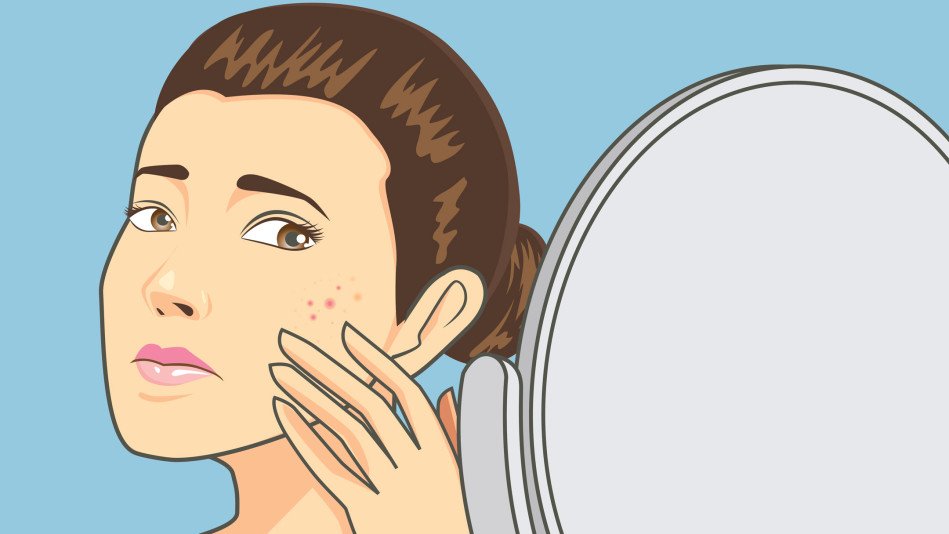
Who doesn’t desire radiant and silky skin? However, acne is a prevalent ailment that can affect anyone. Therefore, there are several things you can do right away to assist with calm, mild acne if you notice it flaring up:
- Stay away from oil-based cleansers and cosmetics
Instead, use an oil-free cleanser and a water-based makeup remover. In order to allow your pores to breathe and heal, this will help you maintain clean, dry skin.
- Avoid squeezing or picking the acne
It is preferable to let the acne heal naturally, even though you might want it to disappear before the next party. Squeezing and picking can impede the healing process and increase the production of bacteria. Additionally, it may leave your skin with imperfections and scars.
- Continue to practice general hygiene
Washing your face twice a day, as well as after perspiration, sun exposure, and pollution, is crucial. Furthermore, don’t equate keeping your skin clean with vigorously and aggressively cleaning it.
- Sugar, dairy, and the combination of acne
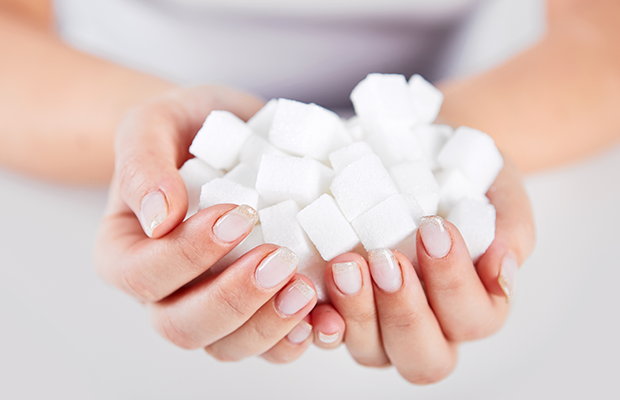
It’s important to remember that dairy and sugar frequently go hand in hand, consider chocolate milk, milk tea, and ice cream. According to some research, the hormones in cow’s milk may also cause acne, especially when it comes to skim milk. The propensity to cause acne may quadruple when sugar and dairy are consumed together, particularly in people who are already sensitive to both.
You may want to test how cutting back impacts your breakouts if your skin seems to act up after a sweet treat or milk-based dessert. For many, everyday consumption is just as important as what is applied to the skin.
Ideal diet for clear skin
Your nutrition is the key to having glowing skin. Think about the following components of a diet plan that is suitable for hormonal acne. Include complete low-GI foods like lentils, sweet potatoes, quinoa, and a variety of leafy greens. Add foods high in Omega-3 fatty acids, such as flaxseeds, chia seeds, walnuts, and Salmon, which are great for reducing inflammation.
Drink lots of water to stay hydrated, get rid of toxins, and keep your skin hydrated. Choose foods high in antioxidants, such as papaya, oranges, and berries, to support cell regeneration and help repair damaged skin.

The bottom line
Scientists are still figuring out how nutrition affects acne prevention. However, the evidence just points to a connection between sugar and acne. While avoiding sugar won’t necessarily solve your acne, it will help. By choosing low-glycemic foods like fruits, vegetables, and whole grains, you can reduce inflammation and maintain stable insulin and blood sugar levels. This could result in less severe breakouts, fewer pimples, and generally better skin health.