
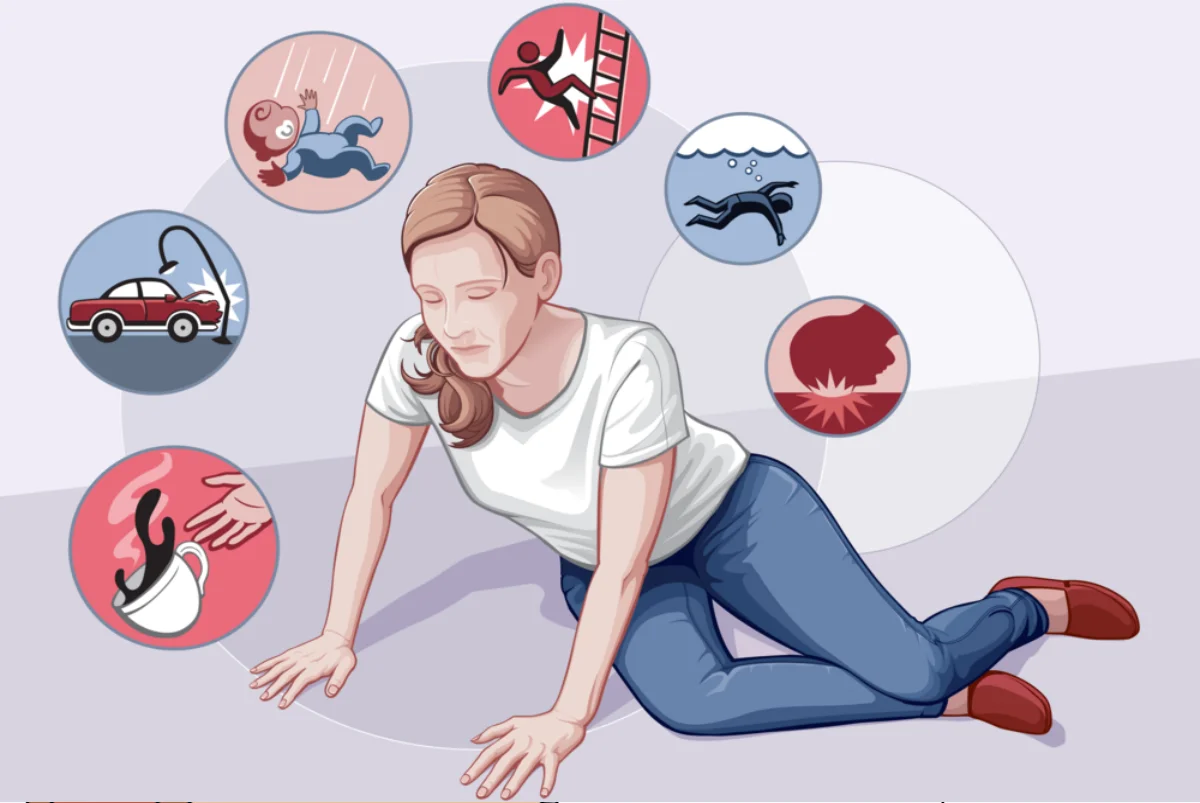
Recurrent seizures are a symptom of the brain disorder epilepsy. Epilepsy comes in a variety of forms. The cause can be identified in certain individuals. Others have an unknown post. Another name for epilepsy is a seizure disorder. People of various ages, races, and ethnicities are affected by this prevalent condition, epilepsy.
The symptoms of epilepsy might differ greatly. While some people do not lose consciousness during a seizure, others may. During the episode, some people only stare for a little while. Others may experience convulsions, which are repetitive twitches of the limbs or legs.
You do not necessarily have epilepsy if you only have one Seizure. If you have experienced at least 2 unexplained seizures spaced at least 24 hours apart, you are diagnosed with epilepsy. Unprovoked seizures are those that have no obvious cause.
How prevalent is epilepsy?
Many individuals are unaware of how common epilepsy is. An estimated 1 in 26 persons may experience epilepsy at some point in their lives. This indicates that millions of people, regardless of age, gender, or background, suffer from epilepsy globally. Also, the prevalence of epilepsy varies by age group and geographic location. It is one of the most common neurological conditions worldwide. Even though this condition is common, there is still a need for more knowledge, comprehension, and assistance for those who have it and their families.
Types
Depending on the type of seizure and underlying cause, epilepsy can present in a variety of ways:
- Generalized Epilepsy: Convulsions and absence seizures are common signs of generalized epilepsy, which affects both hemispheres of the brain.
- Focal Epilepsy: Restricted to a single region of the brain, it frequently results in localised symptoms such allted perception or impaired movement.
- Unknown epilepsy: This category is utilised when the underlying cause of seizures cannot be identified.
What brings on epilepsy
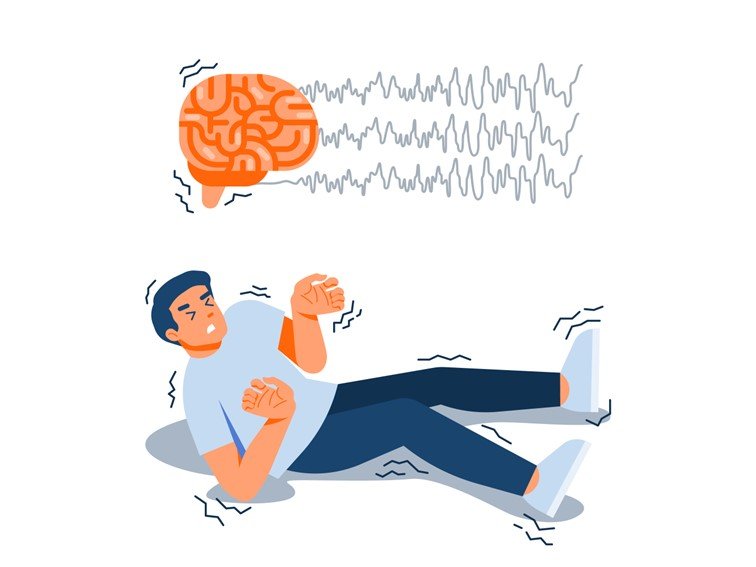
Up to 70% of the time, the cause of seizures is unknown. Among the known causes are:
- Genetics: Certain forms of epilepsy, such as childhood absence epilepsy and Juvenile myoclonic epilepsy, are more likely to be inherited.
- Sclerosis: Sclerosis of the mesial temporal region. This scar can cause focal seizures because it develops in the inner region of the temporal lobe. It is the area of the brain closest to the ear.
- Head trauma: Any impact to the head, such as falls or a car crash, can cause head injuries.
- Brain infection: Brain abscesses, meningitis, encephalitis, and neurocysticercosis are examples of infections.
- Immunological conditions: Epilepsy can result from autoimmune illnesses, which are conditions that cause your immune system to harm brain cells.
- Diseases related to development: It is often caused by birth defects that impact the brain, especially in those whose seizures are not managed with anti-seizure drugs. Focal cortical dysplasia, polymicrogyia, and tuberous sclerosis are a few congenital defects that have been linked.
- Metabolic diseases: They can occur in people with metabolic disorders. Many of these conditions can be identified by genetic testing.
Disorders of the brain and abnormalities of the brain vessels. Brain tumors, strokes, dementia, and irregular blood arteries like arteriovenous malformations are among the brain health conditions that can lead to this.
Symptoms
Depending on the type of seizure, there are different symptoms. Seizures can impact any brain function since epilepsy is brought on by specific brain activity. Symptoms of a seizure could include:
- Temporary bewilderment
- Staring
- Arm and leg jerking Motions
- Unconsciousness
- Psychological sensations like anxiety, terror, and deja vu
People who suffer from epilepsy may occasionally exhibit behavioural abnormalities. Additionally, they might experience psychosis, which is a detachment from reality.
Is it possible to avoid it?
You can lower your risk of getting a few disorders that could cause epilepsy, even if many of their causes are uncontrollable and unavoidable. The conditions include:
Wearing a seat belt while driving and driving defensively. Wearing a helmet while biking. Clearing clutter and electrical wires from your floors to prevent falls. Avoiding ladders are all strategies to reduce your risk of chronic brain injury.
Eat a balanced meal (like the Mediterranean diet). Keep a healthy weight and engage in regular exercise to reduce your risk of stroke.
Seek treatment for substance misuse; Epilepsy can result from brain damage caused by alcohol and other illicit drugs.