
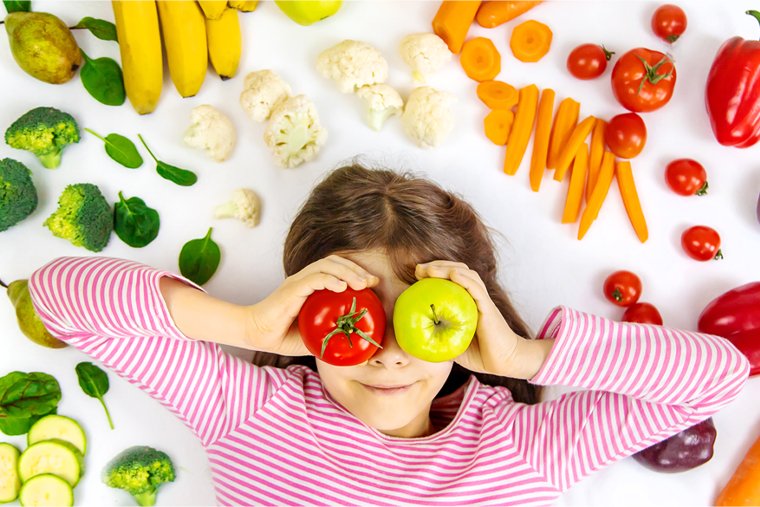
As a parent, you should constantly prioritise your children’s health, and eye health should be no different. While eye care is vital at all ages, it is especially important in childhood, when learning and growth depend on having strong vision. Here is a blog with eye care tips for kids to preserve optimal eye health and avoid future issues. This article includes symptoms of poor vision to teaching healthy practices.
Indications that your child may have vision issues
Parents must watch for warning signals because children may not always be aware that they have a visual problem. These may consist of:
- The squint or tilt their head to see clearly
- Keeping screens or books too close
- Regularly rubbing their eyes
- Headache or eye strain complaints
- Rubbing eyes
- Bad academic achievement
- Staying away from visually intensive hobbies like reading or drawing
You should consider a professional eye examination immediately if any of these behaviours are noticed.
Eye care tips for children and students
Set screen time limits
Limiting screen time might be difficult in the current digital Era. On the other hand, prolonged screen usage can cause blurred vision, dry eyes, and strain. Encourage your children to look at something 20 feet away for 20 seconds after every 20 minutes of screen time. This is called the 20-20 rule.
Habit of a well-balanced diet
For your child’s General Health and eye health, a well-balanced diet full of vitamins and minerals is essential. Minerals like copper and zinc, along with vitamins A, E, & C, are vital for eye health. Beta carotene and other nutrients that are provitamin A can be found in foods like carrots, sweet potatoes, spinach, and oranges. Fish contains Omega-3 fatty acids, which are also beneficial to eye health.
Promote outdoor activities
Your child’s vision may prove if you encourage them to play outside. Engaging in outdoor activities exposes kids to natural sunlight, which is good for their eyes. It helps them focus at varied distances. Playing outside can also reduce the chance of myopia.
Teach proper hygiene
Teach your youngster that rubbing or touching their eyes can lead to infections or possibly the development of disorders like myopia. In order to prevent bacteria or viruses from entering the eyes, it’s also critical to teach proper general hygiene practices. Teach them frequent hand washing.
Encourage sufficient sleep
For the health of your eyes, you must get enough sleep. In addition to preventing eye fatigue, dry eyes, and hazy vision, it helps revitalize the eyes. Make sure your children sleep for the appropriate amount of time every night.
Promote Frequent Breaks
Encourage your child to take regular breaks to rest their eyes. Be it if they are using a digital device, reading, or writing. This will lessen eye tiredness and strain.
Regular eye examinations
Children should have routine exams just like they should have regular paediatrician checkups. Early detection of vision issues such as myopia (nearsightedness), hypermetropia (farsightedness), or astigmatism through eye exams allows for rapid treatments to stop future deterioration. Additionally, physicians search for disorders that may arise in childhood, such as strabismus or lazy eye. As early as 6 months of age, routine exams should begin, and they should continue throughout childhood.
Appropriate lighting
When your children are reading, writing, or doing any kind of close-up activity, make sure they have enough light. The main reason for this is that poor lighting can strain their eyes, which can result in discomfort and issues with their eyesight. Your children can concentrate more clearly and prevent long-term eye issues with proper light.
In conclusion
Your child’s general health and development are greatly impacted by the condition of their eyes. You can help your child maintain good eye health and pave the way for a lifetime of clear vision by following these easy eye Care guidelines. Always keep in mind that you should see an eye care specialist right away if you observe anything out of the ordinary with their behaviour. Being productive is, after all, the first step towards prevention when it comes to your eye health.