
It’s not always easy to maintain and active lifestyle and a nutritious diet when pregnant. It might be challenging to exercise and make good choices during the first trimester due to exhaustion, morning sickness, and uncomfortable symptoms like back pain that developed later.
However, It is well recognised that adhering to good pregnancy practices offers several advantages. It can help you shed weight after giving birth more quickly, make labour smoother and offer you more energy during your pregnancy.
Exercise and healthy diet are also beneficial for your baby. Pregnancy-related weight increase may potentially affect a child’s cardiometabolic health in the future.
Instead of salad, You’ll want ice cream and fried rice. Additionally, you probably won’t be able to go to the gym because of your nausea. Unquestionably, maintaining good health throughout pregnancy calls for additional self control.
Exercise and pregnancy related changes
During pregnancy your body will go through a lot of changes. Some will make it harder for you to work out or necessitate changing your exercise regimen, such as:
Ligaments are loosened by hormones like relaxin. It may raise your risk of sprains and other joint ailments.
Your weight will rise as the pregnancy goes on, and your body shape and weight distribution will alter. Your balance and coordination may change as a result of the body’s center of gravity shifting forward.
Don’t use your target heart rate to determine the intensity of your activity because pregnancy raises your resting heart rate. Body’s Rating of Perceived exertion (RPE) scale is a technique that may be used to track exercise intensity in healthy pregnant women. This gauges how hard you think your body is working.
Because your blood pressure lowers throughout the second trimester, its crucial to avoid making abrupt position changes, such as going from reclining to standing and vice versa to prevent the episode.
Which activities are saved to engage in while pregnant?
It’s normally okay to continue exercising throughout pregnancy if you are in good health and did so before to becoming pregnant. To be certain, ask your doctor. Generally, please activities are safe to do while pregnant:
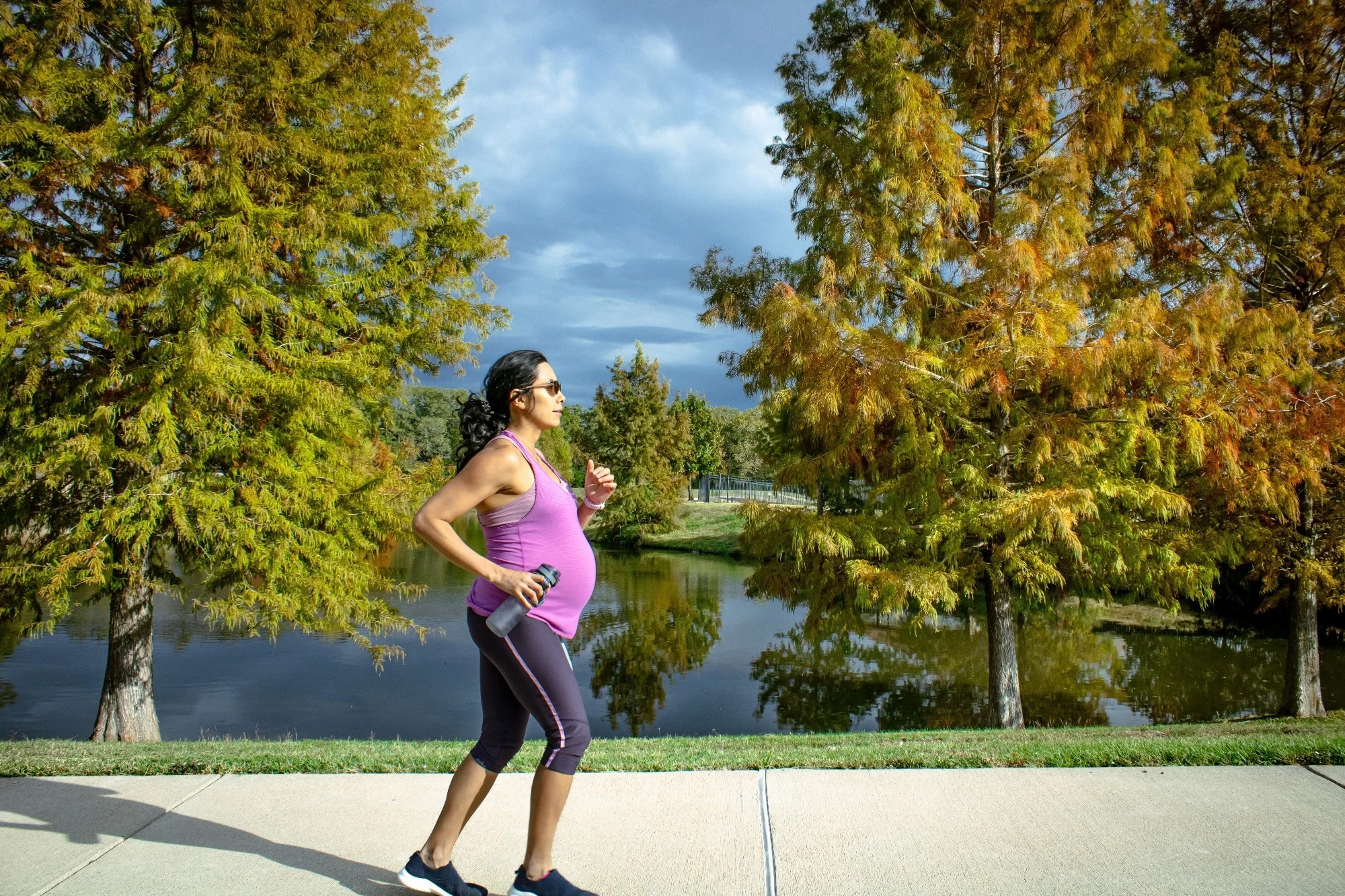
- Walking: walking quickly is an excellent kind of exercise that doesn’t put undue strain on your muscles and joints. This is a fantastic exercise if you have never worked out before.
- Water exercises and swimming: Your developing baby’s weight is supported by the water and pushing against it keeps your heart rate up. Additionally, it is gentle on your muscles and joints. Try swimming if you have low back this comfort during other activities.
- Riding a bike: compared to riding a standard bicycle when pregnant, riding an immobile bike is safer. Even as your tummy swells, you are less likely to fall of a stationary bike than a conventional cycle.
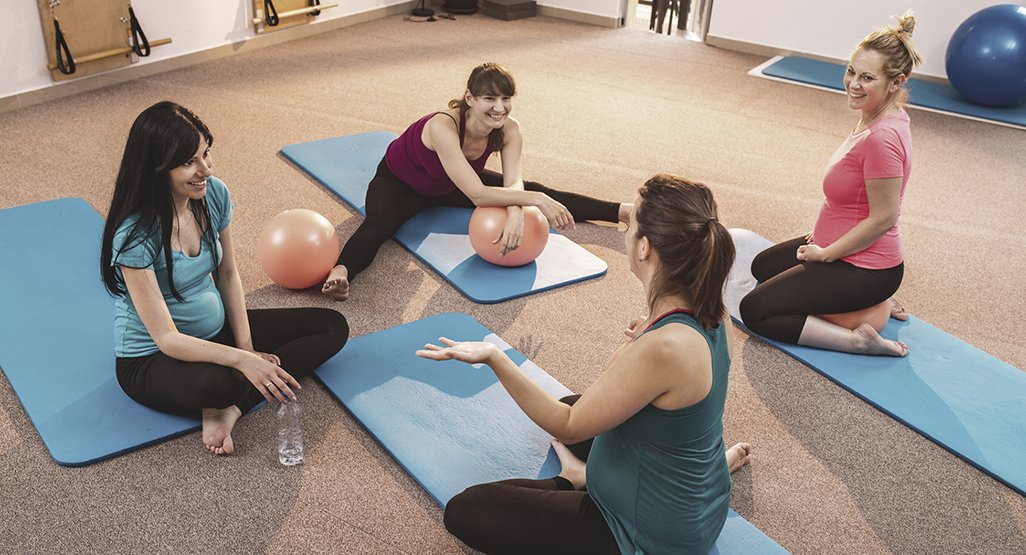
- Pilaties and yoga session: inform your pilates or yoga instructed that you are expecting a child. Poses that might be dangerous for pregnant women, such as reclining on your tummy or flat on your back (after the first trimester) can be modified or avoided with the assistance of the teacher. Prenatal yoga and Pilates courses are available exclusively for pregnant women at several gyms and community centres.
- Strengthening exercises: You may strengthen your bones and gain muscle by engaging in strength exercise. As long as the weights aren’t too heavy doing out with them is safe.
- Classes for low impact aerobics: walking, riding a stationary bike, and utilising and elliptical machine or a few examples of low impact aerobics. Your body is not as stressed by low impact aerobics as it is by high impact aerobics.
Exercises to stay away from
Be careful not to:
After week 16 performed back exercises for more than 3 minutes. This is due to the fact that the weight of your uterus may put pressure on the vena cava, a big blood artery reducing blood flow to both your uterus and brain. Stop the activities if you experience any dizziness.
Risky sports. It is advised against participating in risky or hazardous sports. It can includes scuba diving during pregnant.
Activities like downhill skiing, horseback riding, gymnastics, water skiing, and ice skating raise your chance of falling.
Sports like volleyball, softball, hockey and Soccer might be hazardous or cause abdominal damage during the final trimester of pregnancy